 Sudden Valley Siding
 Roofing Built for Happy Valley's Conditions
Happy Valley homes sit in a corner of Whatcom County where the roof works harder than in most parts of the country. Moist air moves in off the water, rain comes sideways more often than straight down, and shaded rooflines stay damp long after a storm has passed. A roof that would hold up fine in a drier climate can fail early here if it wasn't built with these specific conditions in mind. When we install a new roof in this neighborhood, we're not just following a generic spec sheet — we're accounting for salt-laden air, wind-driven rain, and the moss growth that comes with long wet stretches and tree cover.
That distinction matters more than most homeowners realize until they've already replaced a roof once and watched it struggle again within a decade. A correct installation here starts with materials and details chosen for this exact environment, not a one-size-fits-all approach borrowed from a catalog.
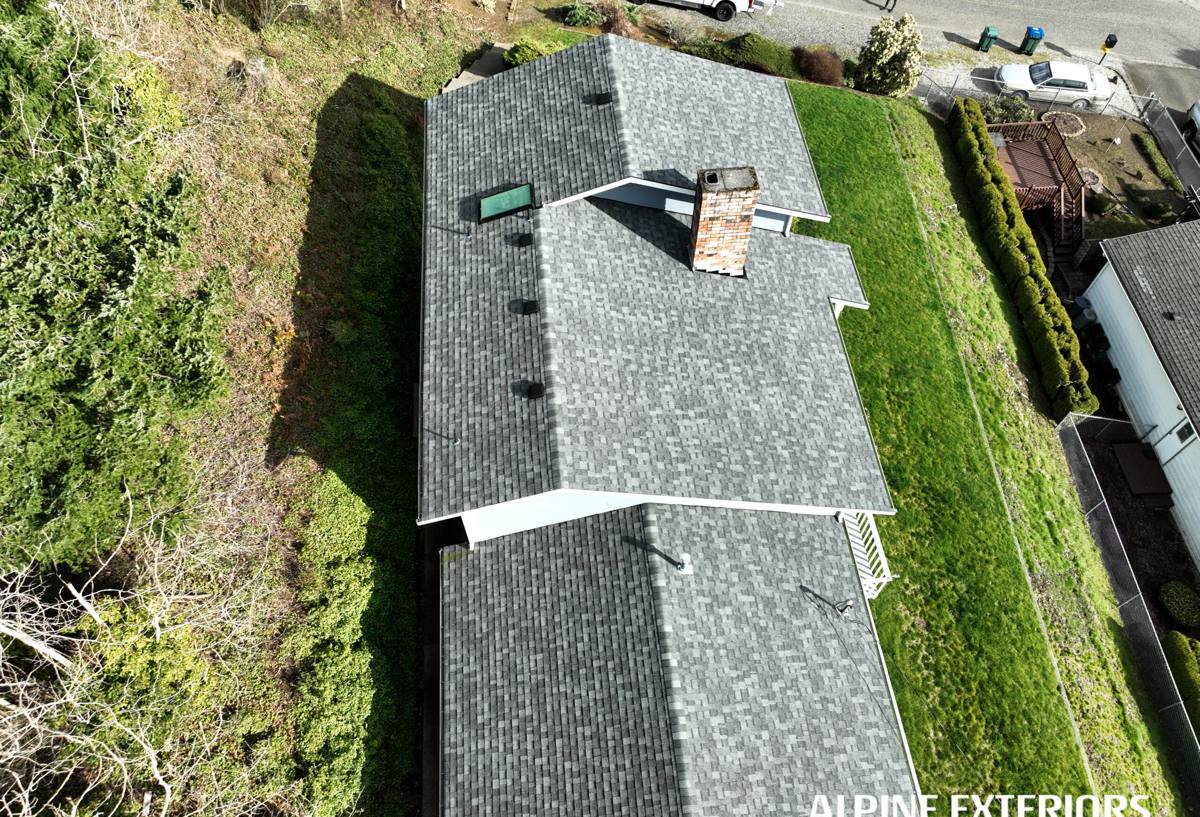
What This Climate Does to a Roof Over Time
Salt Air and Metal Fatigue
Even homes that aren't right on the water pick up airborne salt and moisture that settles on roofing metal — flashing, fasteners, vents, and drip edge. Over years, uncoated or poorly rated metal components corrode faster than their inland counterparts. Fasteners that rust lose their grip on shingles and metal panels, which is how small leaks start in places that look fine from the ground.
Driving Rain and Wind-Driven Moisture
Storms in this part of Whatcom County rarely come straight down. Wind pushes rain sideways and up under roof edges, valleys, and anywhere the underlayment or flashing has a gap. A roof that's only sealed for vertical rainfall will eventually leak at these pressure points, usually during the worst storm of the season rather than a mild one.
Moss, Shade, and Trapped Moisture
Tree cover and a long wet season give moss plenty of time to establish itself, especially on north-facing slopes and shaded valleys. Moss holds water against the roofing material, which shortens the life of asphalt shingles, promotes wood rot on older roofs, and can lift shingle edges enough to let water underneath. Left unchecked over several seasons, moss growth turns a cosmetic issue into a structural one.
What a Correct New Roof Installation Involves
A roof that's going to hold up in Happy Valley's conditions needs more attention paid to the details than the field of shingles or panels themselves. Most leaks and premature failures we get called out for started at an edge, valley, penetration, or transition — not in the middle of an open roof slope.
- Tear-off and deck inspection: full removal of old roofing so the decking underneath can be checked for soft spots, rot, or delamination before anything new goes down.
- Ice and water shield at vulnerable points: self-adhering waterproof membrane at eaves, valleys, and around penetrations, not just where code requires it.
- Synthetic underlayment across the field: a water-resistant barrier under the entire roof surface as a second line of defense against wind-driven rain.
- Corrosion-resistant flashing and fasteners: materials rated for coastal-influenced, high-moisture conditions rather than standard-grade hardware.
- Proper valley and edge detailing: the places where two roof planes meet, or where the roof meets a wall or chimney, done with enough overlap and sealing to handle sideways rain.
- Balanced attic ventilation: intake and exhaust venting sized correctly so moisture doesn't get trapped under the roof deck, which feeds both rot and moss growth from underneath.
Our Installation Process
1. On-Site Assessment
We start with a walk of the roof and attic, not just a look from the driveway. We check the current roofing material's condition, the state of the decking, existing ventilation, and any signs of past moisture problems — staining, soft spots, or moss buildup in specific areas.
2. Material Selection and Plan
We walk you through options suited to this climate, explain the honest trade-offs of each, and put together a plan that fits your home's roof shape, slope, and shade exposure. Homes with heavy tree cover or north-facing slopes often benefit from different material or ventilation choices than a home in full sun.
3. Tear-Off and Deck Repair
Old roofing comes off completely so we can inspect the deck. Any damaged sheathing gets replaced before new roofing goes down — covering over a compromised deck is how new roofs develop problems within the first few years.
4. Waterproofing and Underlayment
Ice and water shield goes down first at eaves, valleys, and penetrations, followed by synthetic underlayment across the rest of the deck. This layered approach is what actually stops wind-driven rain from reaching the deck, not the shingles alone.
5. Roofing Installation
Shingles or panels go down to manufacturer spec, with attention to nailing patterns, exposure, and alignment — details that affect both wind resistance and long-term appearance.
6. Flashing, Ventilation, and Final Details
Flashing around chimneys, skylights, and walls is installed or replaced with corrosion-resistant material. Ventilation components are checked and balanced. We finish with a walk-through so you understand what was done and what to expect going forward.
7. Cleanup and Final Inspection
We clear the site of old material and debris, run a magnetic sweep for stray nails, and do a final inspection before calling the job complete.
Comparing Roofing Materials for Happy Valley Conditions
| Material | How It Handles This Climate | Maintenance Considerations |
|---|---|---|
| Architectural asphalt shingles | Solid performance when paired with proper underlayment and ventilation; widely available warranty support | Needs periodic moss removal on shaded slopes; algae-resistant granules help but don't eliminate the need for upkeep |
| Metal roofing (standing seam) | Sheds wind-driven rain well and resists moss better than shingles due to its smooth surface | Requires corrosion-resistant fasteners and flashing; higher upfront cost, longer service life |
| Cedar shake | Traditional look, but holds moisture longer in shaded, damp conditions | Higher maintenance burden in this climate; more prone to moss and rot without diligent upkeep |
| Composite/synthetic shingles | Resists moisture absorption better than wood; consistent performance across slopes | Moderate maintenance; performance varies by manufacturer, so product research matters |
There's no single "best" material for every home — it depends on your roof's slope, shade exposure, budget, and how much upkeep you want to take on. We'll give you a straight answer on what fits your specific situation rather than pushing one product across the board.
Cost Factors for a New Roof in This Area
Roofing costs vary by home, and we won't quote a number without seeing the roof, but the main factors that move the price up or down are consistent across most Happy Valley projects.
| Factor | Why It Matters |
|---|---|
| Roof size and pitch | Steeper roofs take longer to work safely and require more material overlap |
| Number of valleys and penetrations | Each valley, vent, chimney, or skylight adds flashing work and labor time |
| Deck condition | Rot or soft spots found during tear-off require sheathing replacement before new roofing goes down |
| Material choice | Asphalt, metal, and composite options carry different material and labor costs |
| Ventilation upgrades | Homes with inadequate attic airflow often need added intake or exhaust venting as part of the job |
| Tree cover and access | Heavy shade near the roofline can mean more debris management and moss-prevention detailing |
Signs Your Happy Valley Home May Need a New Roof
- Shingles that are cracked, curling at the edges, or missing granules in patches
- Persistent moss growth that returns quickly after cleaning
- Daylight visible through the attic roof deck
- Water stains on interior ceilings, especially after wind-driven storms
- Sagging areas on the roofline or soft spots underfoot during inspection
- Flashing that's visibly rusted, lifted, or separated from the roof surface
- A roof that's approaching or past the expected service life of its material
Any one of these on its own might not mean a full replacement is needed, but a combination of them — or a roof already past 20 years old with asphalt shingles — is worth a professional look before it turns into an interior repair problem.
Why a Crew That Works Happy Valley Regularly Matters
Roofing crews that mainly work drier, inland climates don't always think about salt-air corrosion or moss-driven moisture the way a crew based in Whatcom County does. We've seen how roofs in this specific area age — which slopes hold moss longest, which flashing details tend to fail first, and how wind-driven rain behaves on the roof shapes common to this neighborhood. That local pattern recognition shapes how we detail every valley, penetration, and edge, not just the parts of the job that are easy to see.
It also means we're not guessing at what materials and fastener grades actually hold up here — we're working from what we've watched perform, and not perform, on roofs like yours over time.
Caring for Your New Roof
A properly installed roof still benefits from some basic upkeep in this climate, especially where trees shade the roofline.
- Have moss growth addressed before it spreads across a full slope, not after
- Keep gutters clear so water isn't backing up under the roof edge during heavy rain
- Trim back overhanging branches to reduce shade, debris, and moss-friendly conditions
- Schedule a roof check after any major wind event, particularly if debris hit the roof
- Watch for interior signs like ceiling stains or musty attic smells between inspections
None of this replaces a correctly installed roof, but it extends the life of one and helps catch small issues before they become interior repairs.
Get a Straight Answer for Your Roof
If you're weighing whether your Happy Valley home needs a new roof or just repairs, we're happy to take a look and give you an honest assessment — no pressure, no upsell. Request a free estimate using the form below and we'll walk the roof, explain what we find, and lay out your real options.