 Sudden Valley Siding
 Asphalt Shingle Roofing Built for Alger's Weather
Alger sits close enough to the water and the tree line that roofs here take a different kind of beating than roofs twenty miles inland. Homes in this stretch of Whatcom County deal with salt-laden air off the bay, long stretches of driving rain that come in sideways off the water, and a moss season that can run nine months out of twelve under the right shade cover. A shingle roof that would hold up fine in a drier, sunnier climate can start showing granule loss, algae streaking, and soft decking within a few years out here if it wasn't installed with this specific environment in mind.
We work on homes throughout Sudden Valley and the surrounding Alger area regularly, which means we're not guessing at what this climate does to a roof over time — we're seeing it firsthand, on the same tree cover, the same wind exposure, and the same rainfall patterns your house deals with every winter.
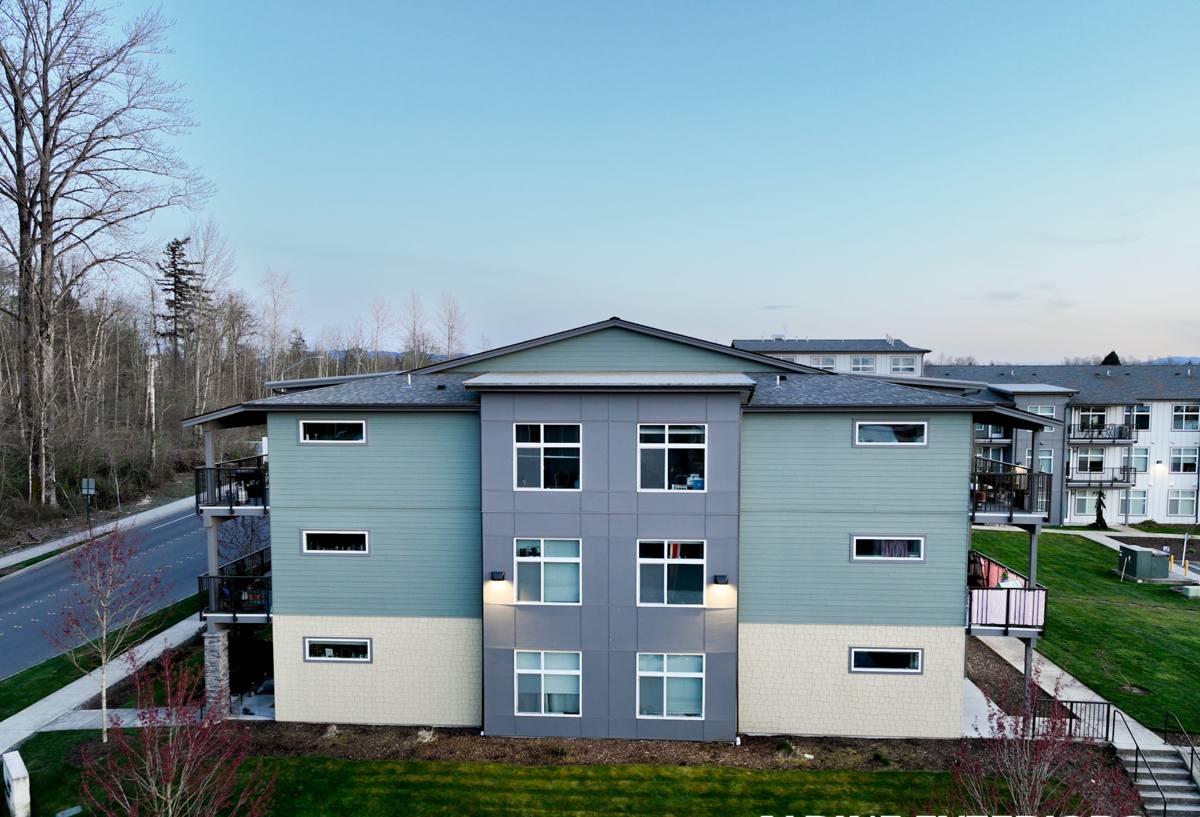
What Alger Homes Actually Need From a Shingle Roof
Moisture Management Comes First
Whatcom County's rainfall isn't just heavy, it's prolonged. A roof here can go weeks without a real drying window between storms. That changes how we think about underlayment, flashing, and ventilation compared to a roof going on in a drier region. If the deck underneath stays damp because moisture can't escape, shingles will fail from underneath long before they wear out on the surface.
Moss and Algae Resistance
Wooded lots and partial shade are common around Alger, and moss doesn't need much encouragement to take hold on a north-facing slope or anywhere debris collects. Left alone, moss lifts shingle edges, holds water against the roof surface, and accelerates granule loss. Algae-resistant shingle lines and proper flashing at valleys and transitions cut down how fast this comes back, though no shingle roof in this climate is entirely moss-proof — it's a maintenance factor, not a one-time fix.
Wind and Salt Exposure
Proximity to the water means salt-bearing air moving through on a regular basis, plus gusts that can get up during winter storms. Shingle tab strength, proper nailing patterns, and starter strip installation at eaves and rakes matter more here than they would on a fully sheltered inland lot.
What a Correct Installation Actually Involves
A lot of roofing problems we get called out to inspect trace back to shortcuts taken during the original install, not to the shingles themselves. Here's what we consider non-negotiable on every asphalt shingle job we do in this area:
- Full tear-off and deck inspection — no roofing over existing layers, so we can catch soft or rotted plywood before it's covered up again
- Ice-and-water shield at eaves, valleys, and any low-slope transitions where wind-driven rain is most likely to work its way under shingles
- Synthetic underlayment across the full deck for a consistent moisture barrier, not just felt paper
- Proper drip edge at eaves and rakes, installed under the underlayment at the eave and over it at the rakes
- Balanced intake and exhaust ventilation, since a roof that can't breathe holds moisture in the attic and shortens shingle life from underneath
- Correct nailing — six nails per shingle in high-wind zones like this one, placed in the manufacturer's nailing zone, not high or low
- Flashing renewed at every chimney, wall transition, and pipe penetration rather than reused or caulked over
Skipping any one of these doesn't necessarily show up right away. It shows up in year four or five, as a leak that seems to come from nowhere or a section of shingles that's granule-bare while the rest of the roof still looks fine.
Our Process for an Alger Roofing Project
1. On-Site Inspection and Honest Assessment
We start by walking the roof and the attic, not just looking from the ground. We check for soft decking, ventilation problems, and how much moss or debris buildup is already affecting the roof surface. If a full replacement isn't actually needed yet, we'll say so.
2. A Written Estimate That Spells Out the Work
You get a clear breakdown of tear-off, decking repair (if any is found), underlayment, flashing, ventilation, and shingle product — not a vague lump sum. If we find rotted decking once tear-off starts, we stop and show you before replacing it, rather than assuming.
3. Tear-Off and Deck Prep
Old roofing comes off down to the deck. Any damaged sheathing gets replaced. This is also when we address ventilation gaps, since it's far easier to correct intake and exhaust balance with the deck exposed.
4. Underlayment, Flashing, and Shingle Installation
Ice-and-water shield goes down first at vulnerable areas, then synthetic underlayment across the field, then new flashing at every penetration and transition, then shingles installed to the manufacturer's nailing and exposure specs.
5. Final Walkthrough
We walk the site with you, check gutters and downspouts for roofing debris, and go over what routine maintenance — like moss treatment or gutter clearing — will help the roof perform as it should for its full service life.
Comparing Shingle Options for This Climate
Not every asphalt shingle product performs the same way under constant moisture and moss pressure. Here's how the common tiers stack up for a home in the Alger/Sudden Valley area:
| Shingle Type | Typical Lifespan Here | Moss/Algae Resistance | Wind Rating Fit |
|---|---|---|---|
| 3-Tab (economy) | 12–18 years | Standard, no built-in resistance | Lower wind rating, less ideal near water |
| Architectural / Dimensional | 20–30 years | Better with algae-resistant granules | Higher wind rating, better fit for this climate |
| Premium Architectural (algae-resistant line) | 25–30+ years | Best available in shingle category | High wind rating, best overall fit for coastal/wooded lots |
For most Alger homes, we steer people toward architectural shingles with algae-resistant granules. The upfront cost difference over economy 3-tab shingles is usually modest compared to the added years of service and reduced moss/algae streaking you'll deal with over time.
Cost Factors Specific to This Area
Every roof is different, so we won't quote a number without seeing the job, but a few things specifically drive cost on Alger and Sudden Valley properties:
- Tree cover and access — heavily wooded lots often need more cleanup and careful staging
- Roof pitch and complexity — valleys, dormers, and multiple roof planes take more flashing and labor
- Deck condition — homes with a history of moss or past leaks sometimes need decking replaced, which isn't known until tear-off
- Shingle tier selected — economy versus architectural versus premium algae-resistant lines
- Ventilation upgrades — adding or correcting intake/exhaust vents where the existing system is inadequate
Signs Your Alger Roof Needs Attention
Because moss and moisture damage build slowly, a lot of homeowners don't realize how much wear a roof has taken until it's well along. Watch for these:
- Moss growth along ridges, valleys, or north-facing slopes
- Granules collecting in gutters or at downspout outlets
- Dark streaking across the shingle surface (algae growth)
- Curling, cupping, or lifted shingle edges
- Soft spots when walking the roof, or sagging between rafters visible from the attic
- Daylight visible through the roof deck from inside the attic
- Water stains on interior ceilings, especially near chimneys or valleys
Maintenance That Extends a Shingle Roof's Life Here
A correctly installed roof still needs some upkeep in this climate. Clearing debris from valleys, keeping gutters flowing, and addressing moss growth early — rather than letting it establish — all make a measurable difference in how long a shingle roof lasts on a shaded or coastal-adjacent lot. We can advise on a reasonable maintenance schedule as part of any installation, based on how much tree cover and shade your specific property has.
Why a Crew That Works Alger Already Matters
Roofing crews that mostly work drier, more sheltered regions sometimes underbuild for what this stretch of Whatcom County actually demands — lighter underlayment, standard nailing patterns, or ventilation specs that work fine elsewhere but fall short here. Because we're already working roofs throughout Sudden Valley and the surrounding area, our specs for underlayment, flashing, and ventilation are set for what this climate does over years, not what looks adequate on a dry install day. That's less something we advertise and more something that shows up in how the roof performs in year eight or ten, when the corners that got cut elsewhere start to matter.
Get a Free, No-Pressure Estimate
If your roof is showing moss, wear, or you're just not sure how much life is left in it, we're happy to take a look. There's no obligation and no pressure — just an honest assessment from a crew that already knows what this stretch of Whatcom County does to a roof. Use the form below to request your free estimate.