 Sudden Valley Siding
 Roof Repair Built Around Whatcom County Weather
Homes around Deming and Sudden Valley deal with a specific mix of conditions: damp, moisture-laden air off the water, driving rain that comes in sideways during winter storms, and long stretches of shade and humidity that keep roofs wet for days at a time. That combination is hard on roofing in ways that drier climates never have to deal with. Shingles stay saturated longer, moss and moisture-loving growth get a real foothold, and small gaps in flashing or underlayment turn into active leaks faster than homeowners expect. A roof repair here isn't just patching a hole — it's addressing how the whole system is holding up against sustained wet weather.
We work on roofs throughout this part of Whatcom County regularly, which means we're not guessing at what local roofs look like after a decade or two of this climate. We know which failure points show up first, which repairs actually hold, and which shortcuts leave homeowners calling again in a year or two.
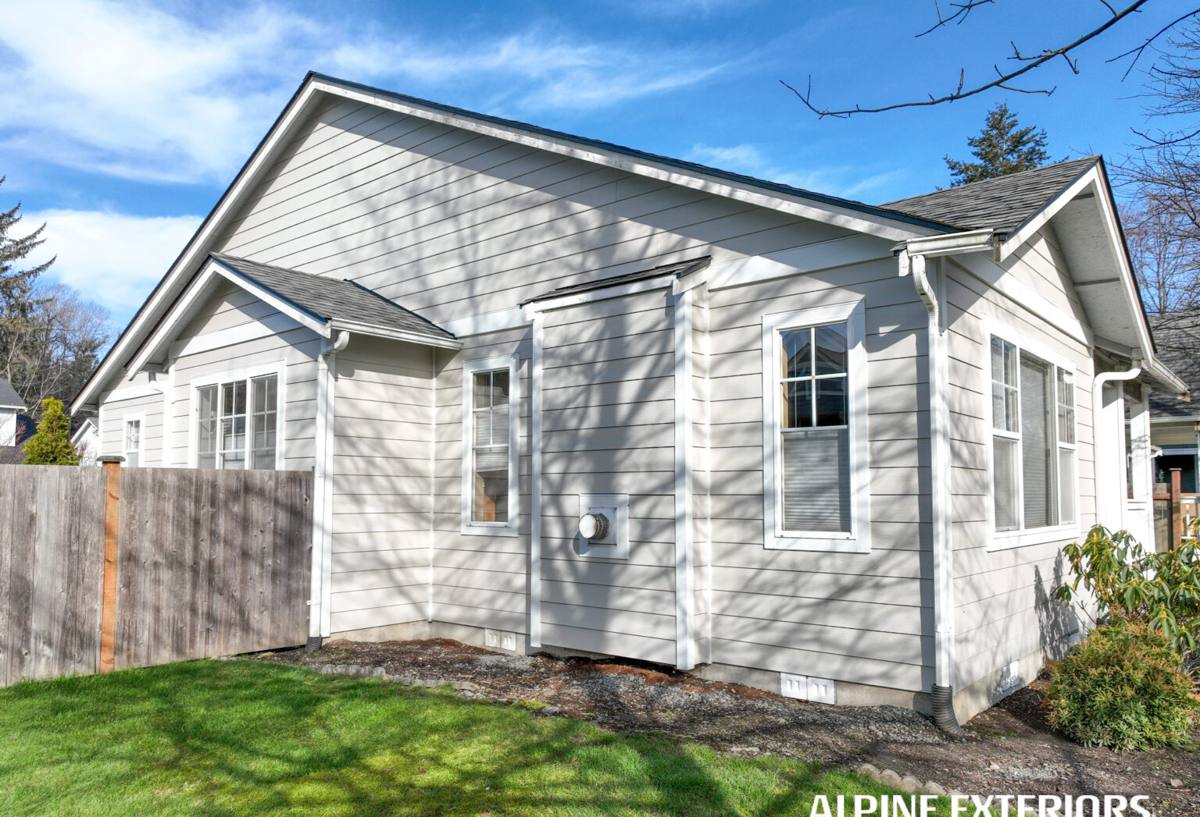
What Deming and Sudden Valley Roofs Are Up Against
Moisture That Doesn't Let Up
A long moss season means roofs here rarely get a full dry-out period the way they might in a drier region. Moisture sits in shaded valleys, north-facing slopes, and areas under tree cover, softening shingle mat and slowly breaking down the granule layer that protects asphalt shingles from UV and weather. Once moss establishes itself, it holds water against the roof surface even longer, accelerating the damage.
Wind-Driven Rain
Storms coming through this area often bring rain at an angle, not straight down. That matters because wind-driven rain finds weaknesses that vertical rain never would — lifted shingle tabs, marginal flashing laps, and nail heads that have backed out slightly. Water gets pushed uphill under shingles instead of just running off, which is why leaks in this region often show up in places that seem unrelated to where the actual entry point is.
Salt Air and Metal Corrosion
Proximity to the water means metal roofing components — flashing, valleys, vents, and fasteners — face faster corrosion than they would further inland. Once flashing starts to rust or pit, it loses its ability to shed water cleanly, and that's one of the more common root causes we find behind repeat leaks.
How We Diagnose a Roof Problem
Most roof leaks show up somewhere other than the source. Water travels along the roof deck or rafters before it drips through a ceiling, so an accurate repair starts with tracing the problem back to where it's actually entering, not just patching the spot where the stain appeared. Our process on every repair call includes:
- A full roof surface inspection, not just a look at the reported leak area
- Close examination of flashing points — chimneys, vent boots, skylights, valleys, and wall intersections — since these fail far more often than open field shingle
- Checking for moss, algae, and organic buildup that's trapping moisture against the roof deck
- Interior inspection of the attic or roofline where accessible, to trace water paths and check for deck damage or rot
- An honest assessment of whether a targeted repair is the right call, or whether the roof's overall condition means a repair would just be a temporary fix
We'll walk you through what we find in plain terms — what's causing the issue, what it takes to fix it correctly, and what it would cost to leave it alone versus repair it now.
What a Correct Roof Repair Actually Involves
A roof repair done right isn't just sealant over a crack. Sealant and roofing cement have their place, but used alone over a structural or flashing issue, they buy a homeowner a season or two before the same leak comes back — often worse, because water has kept working at the deck underneath. A proper repair addresses the actual failure:
Shingle Repair
Damaged, cracked, or missing shingles get replaced with matching material, properly nailed and sealed, not just caulked in place. Where moss or algae has degraded the surrounding shingles, we address that area rather than leaving compromised material next to the new patch.
Flashing Repair and Replacement
Flashing around chimneys, vents, skylights, and roof-to-wall transitions is the single most common source of leaks we find. Where flashing has corroded, separated, or was installed with gaps, it needs to be properly re-flashed and integrated with the surrounding shingles — not just re-caulked over the top.
Deck and Underlayment Repair
If water has been getting in for a while, the roof deck underneath may be soft, delaminated, or rotted. Patching shingles over a compromised deck doesn't hold. Where we find deck damage, we cut it out and replace it before any new roofing goes back down.
Moss and Debris Treatment
Given how much moss pressure this area sees, a repair often includes clearing existing growth and debris that's holding moisture against the roof, plus recommendations on keeping it from coming back — trimming overhanging branches, keeping gutters clear, and periodic treatment where shade keeps a section of roof perpetually damp.
Repair vs. Replacement: How We Help You Decide
| Factor | Points Toward Repair | Points Toward Replacement |
|---|---|---|
| Roof age | Under roughly 15 years, or well-maintained | Approaching or past expected lifespan for the material |
| Extent of damage | Isolated to one area — a flashing point, a section of shingles | Multiple areas failing, or widespread moss/granule loss |
| Deck condition | Solid, no rot found during inspection | Soft spots or rot in more than a small, isolated area |
| Leak history | First occurrence, clear single cause | Repeated leaks in different spots over time |
| Cost over time | Repair cost is reasonable relative to remaining roof life | Cost of ongoing repairs is approaching what replacement would run |
We'll never push a full replacement when a repair will genuinely hold — and we'll tell you plainly if a repair is likely to be a short-term fix so you can make the call with real information, not guesswork.
Why a Crew That Already Works Deming and Sudden Valley Matters
Roofing crews unfamiliar with this specific pocket of Whatcom County sometimes underestimate how much of a role sustained moisture and salt-influenced air play in roof failure here. A repair approach that works fine in a drier inland climate can fall short here if it doesn't account for how long materials stay wet or how fast unprotected metal corrodes near the water. Working this area regularly means we know:
- Which roof orientations and tree-shaded sections in this area tend to hold moss and moisture longest
- Which flashing and fastener materials hold up better against the corrosion pressure here
- How local permitting and inspection expectations apply to roof repair work
- What a reasonable repair timeline looks like around this region's wetter months, so work isn't rushed into a stretch of bad weather
Materials and Fasteners We Use
Given the moisture and corrosion exposure in this area, we're selective about materials on repair work. We favor corrosion-resistant flashing and fasteners over standard-grade options that look fine on day one but start failing within a few years in this climate. It costs a little more up front, but a flashing repair that corrodes and reopens the same leak in three years isn't actually a good value — it's a repair you end up paying for twice. We'll explain material choices on your specific repair so you understand what you're getting and why.
A Simple Homeowner Checklist Before You Call
A few things to note before a roof repair estimate can help speed up diagnosis and give us a head start:
- Where inside the home you've noticed water stains, drips, or damp spots, and roughly when they started
- Whether the issue only shows up during heavy rain or wind from a particular direction
- Any recent work on the roof — new vents, satellite dishes, solar panels, or other penetrations
- Visible moss, dark streaking, or sagging areas on the roof surface, if you can see them safely from the ground
- The approximate age of the roof, if known
You don't need to get on the roof yourself — we'll handle the inspection. This just helps us come prepared.
Get an Honest Look at Your Roof
If you're dealing with a leak, visible moss buildup, or just want an honest assessment of where your roof stands before the next round of Whatcom County storms, we're glad to take a look. Fill out the form below for a free, no-pressure estimate — we'll tell you straight what we find and what it would take to fix it right.