 Sudden Valley Siding
 Yew Street's Climate Is Hard on Windows — Here's Why
Homes in the Yew Street area of Sudden Valley sit in one of the wetter, damper corners of Whatcom County. Between salt-tinged air moving in off the water, driving rain that comes in sideways during fall and winter storms, and a moss season that can stretch from October well into spring, window assemblies here take a beating that a catalog spec sheet doesn't account for. A window that performs fine in a dry inland climate can fail early here — not because the glass is bad, but because the frame, seals, and flashing weren't built or installed for constant moisture cycling.
That's the real story behind "energy-efficient windows" for this area. The efficiency rating matters, but so does whether the window and its installation can shed water, resist rot and corrosion, and keep performing after ten winters of Whatcom County weather. We look at both, every time.
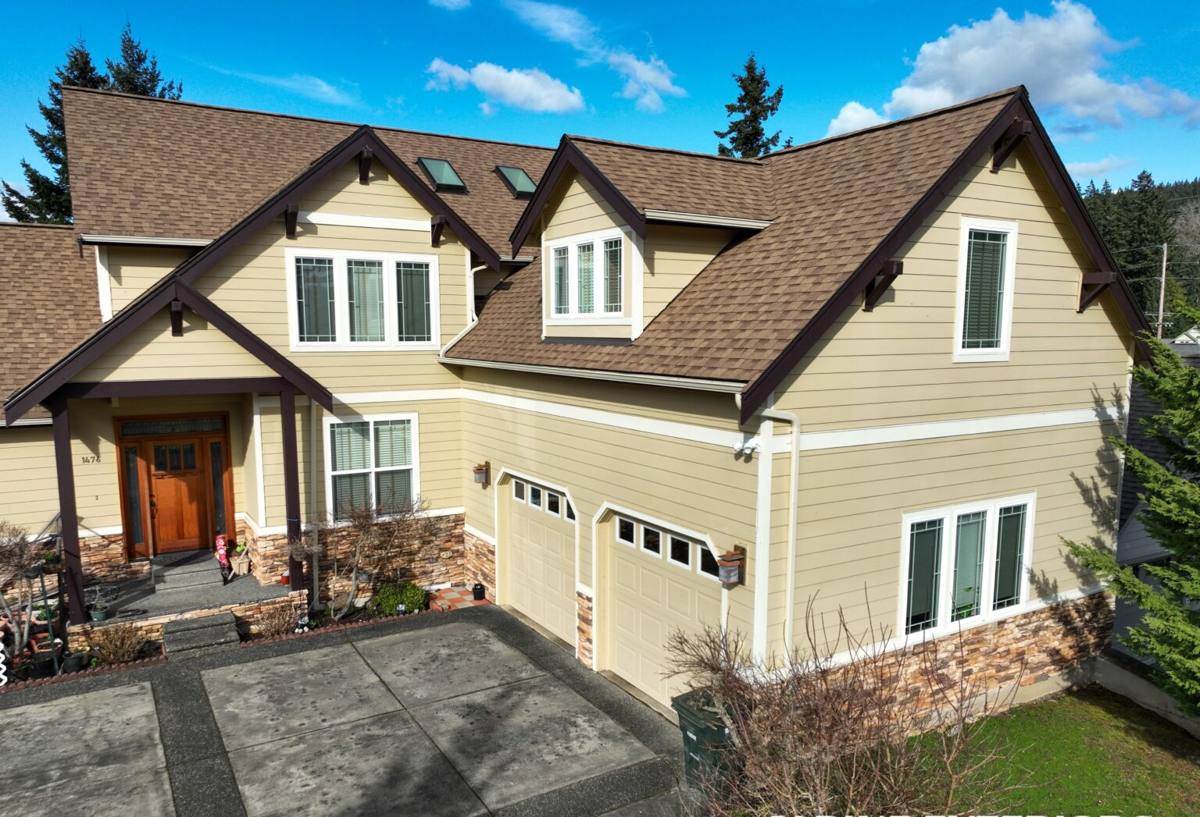
What "Energy-Efficient" Actually Means for This Climate
U-Factor Is the Number That Matters Most Here
U-factor measures how well a window keeps heat inside the house. In a climate defined by long, gray, damp winters and cool summers, a low U-factor is the single biggest lever for lower heating bills — more so than solar heat gain coefficient (SHGC), which matters more in sunnier climates where keeping heat out is the priority. For Sudden Valley homes, we generally steer people toward windows with U-factors in the 0.27–0.30 range or better for the main living areas, adjusted based on orientation and how much of the house is glazed.
Condensation Resistance Is Just as Important as the Rating
A window can have a great U-factor on paper and still fog up or sweat on the inside if it has a poor condensation resistance rating. In a marine climate with high indoor-outdoor humidity swings, condensation isn't cosmetic — it's the first sign of a window that's going to grow mold on the sill or rot the surrounding trim over time. We check condensation resistance ratings alongside U-factor, not instead of it.
Frame Material Options for Sudden Valley Homes
Frame material decides how the window handles years of damp weather, not just how it looks the day it's installed. Here's how the common options stack up for this specific climate:
| Frame Material | Moisture Behavior | Maintenance | Typical Lifespan |
|---|---|---|---|
| Vinyl | Won't rot or corrode; can flex slightly in temperature swings | Low — occasional cleaning | 20–30+ years |
| Fiberglass | Excellent moisture and dimensional stability; handles wet-dry cycling well | Low | 30–40+ years |
| Wood-Clad | Good if the cladding stays intact; exposed wood joints are a risk in driving rain | Moderate to high — cladding seams and interior wood need monitoring | 20–30 years, shorter if seals fail |
| Aluminum | Prone to condensation without a thermal break; conducts cold | Low | 20–25 years |
For most Yew Street homes, we recommend vinyl or fiberglass frames. Both resist the moisture cycling this area sees year after year without the ongoing maintenance burden of a wood-clad product, and neither gives salt-laden air or algae growth a foothold the way exposed wood joinery can.
Glass Packages That Make Sense in a Marine Climate
Double-Pane vs. Triple-Pane
Triple-pane glass gets marketed hard, but it isn't automatically the right call everywhere. In Whatcom County's moderate marine climate — without the deep sub-zero winters some other regions see — a well-built double-pane window with a good Low-E coating and gas fill often delivers most of the efficiency benefit at a lower cost. Triple-pane earns its keep on north-facing walls, rooms with a lot of glass, or homes where sound dampening from wind and rain is a priority. We'll tell you honestly which situation you're in rather than upselling glass you don't need.
Low-E Coatings and Gas Fills
A Low-E (low-emissivity) coating reflects heat back into the room in winter and helps block excess heat in the rare hot stretch of summer. Argon gas fill between panes adds a meaningful bump in insulation value at a modest cost. Together, these two features typically matter more for day-to-day comfort and energy savings than the jump from double- to triple-pane glass.
Why Installation Is Where Most Window Jobs Actually Fail
We've said it to plenty of homeowners: the window itself is rarely the reason a replacement fails early. It's almost always the installation — specifically, how water is managed around the opening. In an area that gets driving rain off the lake and hillsides, flashing has to be layered correctly so water sheds down and out, never behind the siding or into the framing.
This is also where the moss and algae problem connects directly to windows. When flashing or sealant is done poorly, water gets trapped at the head or sill of the window instead of draining away. That trapped moisture is exactly what feeds moss, mildew, and black streaking on the trim and siding around the opening — problems homeowners often blame on "just the climate" when the real cause is a window that was never properly flashed in the first place.
What Correct Installation Looks Like
- Weather-resistant barrier integrated with the window flange, not just caulked over the top
- Flashing tape or pan flashing at the sill to direct any incidental water back outside
- Head flashing installed so it sheds water over the window, not into it
- Proper shimming so the frame doesn't rack out of square over time, which stresses seals
- Sealant used at the right joints only — over-sealing can trap moisture instead of releasing it
- Trim and siding tied back in cleanly so there's no gap for wind-driven rain to exploit
Our Process for a Yew Street Window Replacement
- On-site assessment: We look at existing window condition, framing, current flashing, and any signs of past moisture intrusion before recommending anything.
- Product selection: Based on the home's orientation, exposure, and your budget, we walk through frame material and glass package options with straight talk about trade-offs.
- Careful removal: Old windows come out with attention to the surrounding framing so we can catch and address any hidden rot or moisture damage before it's covered back up.
- Correct installation: New units go in plumb, level, and square, with flashing and weather-resistant barrier integration done in the right order — not just caulked and trimmed.
- Trim and finish work: Interior and exterior trim is finished to match the home, with sealant applied only where it should be.
- Final walkthrough: We test every operable window, review warranty coverage, and answer questions before we call the job done.
Signs Your Current Windows Are Costing You Money
Not every window needs replacing, but these are the signs worth taking seriously in this climate:
- Fog or moisture trapped between the panes (a failed seal on double- or triple-pane glass)
- Noticeable drafts near the frame even when the window is fully latched
- Condensation forming on the inside of the glass regularly, especially in winter
- Soft or discolored wood on the interior sill or exterior trim
- Moss, algae, or dark streaking concentrated around the window opening rather than the wall generally
- Windows that are difficult to open, close, or latch — a sign the frame has shifted
- Visibly cracked, shrunken, or missing exterior caulking
- Heating bills that feel high relative to the size of the home
Cost Factors to Expect
Window replacement pricing varies by project, but the main factors that move the number are consistent: how many windows, what frame material you choose, the glass package, whether any rot or framing repair turns up once the old windows are out, and how much trim or siding work is needed to tie everything back in cleanly. As a rough starting point, most homeowners plan for a per-window range in the low-to-mid four figures, with fiberglass and triple-pane upgrades pushing toward the higher end and standard vinyl double-pane replacements landing lower. We give exact numbers only after seeing the actual openings — anything quoted sight unseen is a guess.
Why Hiring a Crew That Already Works Yew Street Matters
A contractor who's worked this specific pocket of Sudden Valley knows what to check for before the tear-out even starts — where driving rain tends to hit hardest, which orientations grow moss fastest, and how the existing siding and trim details need to be handled so the new windows tie in without creating a new place for water to collect. That local pattern recognition is the difference between a window install that looks fine on day one and one that's still performing correctly in year fifteen.
It also means fewer surprises. When window work uncovers moisture damage in the surrounding siding or sheathing — which happens more often here than in drier climates — a crew that handles both siding and windows can address it in the same visit instead of sending you to find a second contractor.
If you're dealing with drafty, foggy, or aging windows on a Yew Street home, we're glad to take a look and give you a straight, no-pressure estimate — just fill out the form below and we'll set up a time to come by.