 Sudden Valley Siding
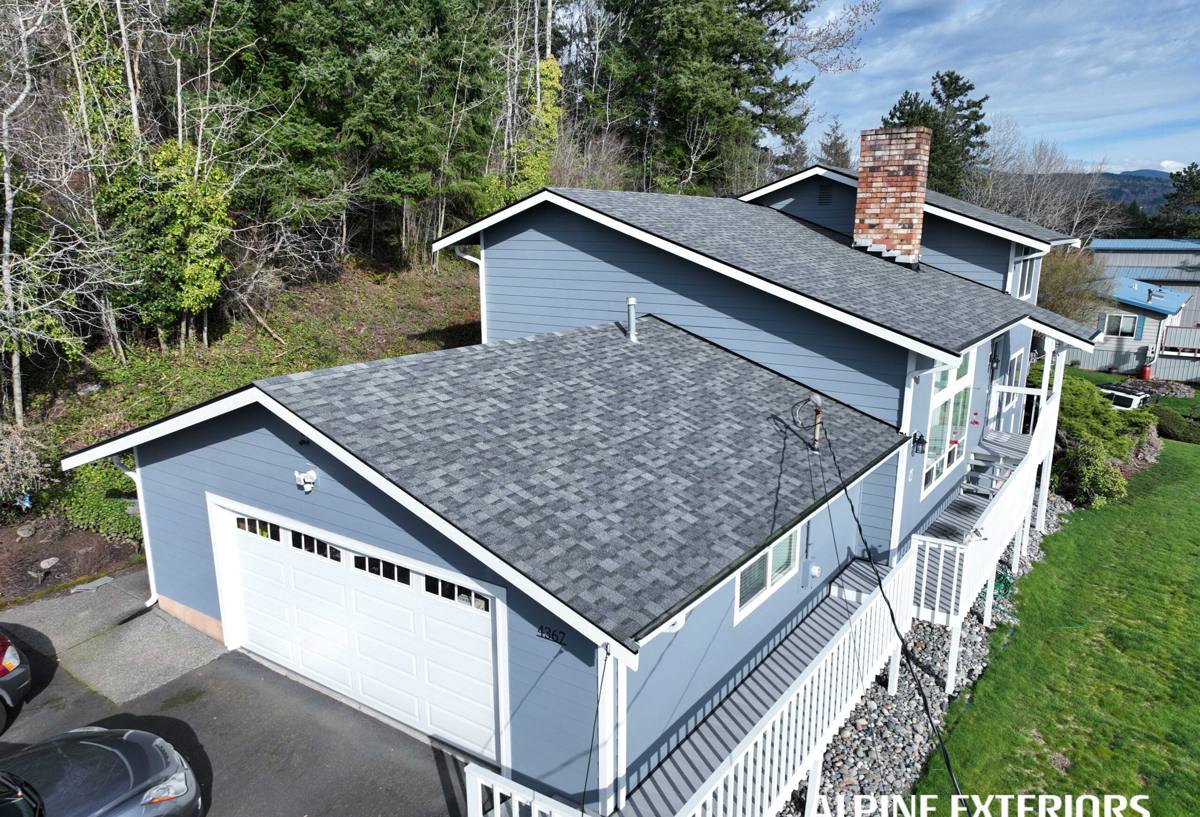
 Roof Repair Built for Yew Street's Conditions
Homes along Yew Street in Sudden Valley sit close enough to Lake Whatcom and the surrounding tree cover that roofs here take a different kind of beating than roofs on the open, dry side of the county. Between the moist air coming off the lake, long stretches of driving rain through the fall and winter, and a moss season that can run six months or more under heavy tree canopy, a roof out here ages faster than the same roof would in a drier neighborhood. That doesn't mean these roofs need to be replaced constantly — it means they need repairs that actually account for how they're failing, not a generic patch job that ignores the cause.
We work in Sudden Valley regularly, including the Yew Street area, and we've seen the same handful of problems show up again and again on roofs with similar exposure, slope, and shade. This page walks through what those problems typically look like, what a correct repair actually involves, and how we approach the job so it holds up through the next wet season instead of needing another visit in a year.
Why Roofs Here Wear Differently
Three regional factors do most of the damage to roofs in this part of Whatcom County, and they usually work together rather than alone.
Moist, Lake-Influenced Air
Proximity to Lake Whatcom keeps humidity higher and drying times longer than you'd get further from the water. Roofing materials that would dry out within a day or two elsewhere can stay damp for much longer here, which matters a lot once moss and algae get a foothold — they thrive on that extra moisture retention.
Driving Rain
Whatcom County gets a lot of rain, but it's the wind-driven rain that causes the real damage. Rain that comes in at an angle can work its way under shingle tabs, past poorly lapped flashing, and into any gap that a straight-down rain would never reach. Roofs with marginal flashing or aging underlayment often hold up fine in light rain and then leak the first time a real windstorm rolls through.
A Long Moss Season
Where tree cover shades part of a roof for much of the day — common on Yew Street lots with mature trees — moss and algae can establish and spread for the better part of the year, not just a few weeks in spring. Moss holds moisture against the roof surface, lifts shingle edges as it grows, and accelerates granule loss. Left unaddressed, it turns a cosmetic problem into a structural one.
Signs a Yew Street Roof Needs Repair
Most roof problems give warning signs well before they become emergencies. Here's what we'd want you to watch for between inspections:
- Moss or dark streaking concentrated on the shaded side of the roof, or spreading from valleys and edges
- Granules collecting in gutters or at downspout outlets — a sign of shingle wear
- Curling, cupping, or lifted shingle edges, especially near ridges and eaves
- Water stains on interior ceilings or upper walls, particularly after a windy storm
- Visible gaps or rust at flashing around chimneys, vents, and skylights
- Sagging or soft-feeling spots when walking the roof (we check for this, not something to test yourself)
- Daylight visible through the attic roof deck, or damp insulation below it
Any one of these on its own might be minor. Two or three together, especially after a wet, windy stretch, usually means it's worth a closer look before the next storm system moves through.
What a Correct Repair Actually Involves
A lot of roof "repairs" amount to sealing over a symptom without addressing why the roof failed in the first place. That approach tends to buy a season or two, not a lasting fix. Here's what we check and address on a proper repair.
Moss and Algae Removal, Done Correctly
Moss needs to come off without damaging the shingle surface underneath — aggressive pressure washing strips granules and shortens the roof's remaining life just as much as the moss itself does. We use low-pressure methods and appropriate treatments, then look at whether the shaded area needs zinc or copper strips installed as a longer-term deterrent, since regrowth is almost guaranteed in heavy shade without one.
Flashing Repair and Replacement
Flashing around chimneys, skylights, dormers, and roof-to-wall transitions is where the majority of driving-rain leaks originate. We re-lap or replace flashing rather than just caulking over gaps — caulk is a short-term patch, not a repair, and it fails faster in a climate with this much sustained moisture.
Underlayment and Decking Assessment
Where shingles have failed, we check the underlayment and roof decking underneath before closing anything back up. Damp or rotted decking needs to be replaced, not covered — shingling over compromised decking just hides the problem until it reappears as a ceiling stain.
Ventilation Check
Poor attic ventilation traps moisture against the roof deck from the inside, which compounds whatever moisture is coming from outside. On older Sudden Valley homes we often find ventilation that was adequate when the house was built but isn't enough for current roofing materials or added insulation. We'll flag it if it's contributing to the problem.
Repair Costs: What Actually Drives the Range
Every roof repair is different, but the factors below are what typically move the price up or down. We'll always give you a specific number after we've actually looked at the roof — this is just to help you understand what you're paying for.
| Factor | Lower Cost | Higher Cost |
|---|---|---|
| Scope | Isolated leak or single flashing detail | Multiple areas, widespread moss damage |
| Decking condition | Dry, intact decking | Rot or soft spots requiring replacement |
| Roof access | Simple slope, easy ground access | Steep pitch, tall sections, obstructed access |
| Material match | Common shingle still available | Discontinued or specialty material |
| Moss/algae severity | Light coverage, recent growth | Heavy, long-established growth with granule loss |
As a general rule, a straightforward flashing or shingle repair is a modest expense; anything involving decking replacement or multiple problem areas climbs from there. We'll walk you through the actual drivers on your roof before any work starts.
How We Handle a Repair on Yew Street
- Inspection first. We walk the roof and the attic where accessible, and we photograph what we find so you can see it, not just take our word for it.
- Honest diagnosis. We tell you what's actually causing the problem — moss holding moisture, failed flashing, worn-out shingles, a ventilation gap — not just "the roof needs work."
- A clear, written scope. You'll know exactly what's being repaired, what materials are being used, and what it costs before we start.
- The repair itself. We match materials where possible, replace what's actually damaged, and don't skip the flashing and decking checks to save time.
- A final walkthrough. We show you what was done and flag anything worth watching, like a shaded section that's likely to need moss treatment again down the road.
Repair vs. Replacement: How We Decide
Not every roof problem calls for a repair, and not every aging roof needs full replacement. We look at a few things to give you a straight answer:
| Consideration | Repair Usually Makes Sense | Replacement Worth Discussing |
|---|---|---|
| Age of roof | Under 15–20 years, isolated issue | Nearing or past expected material lifespan |
| Extent of damage | Localized to one area or detail | Widespread across multiple slopes |
| Decking condition | Sound decking overall | Multiple areas of rot or soft decking |
| Leak history | First occurrence or single known cause | Recurring leaks in different spots |
We'd rather repair a roof that has real life left in it than push a replacement it doesn't need. If a roof genuinely is at the end of its service life, we'll tell you that plainly, along with why, so you can plan around it instead of being surprised later.
Why Local Experience on Yew Street Matters
A roofer who hasn't worked this specific stretch of Sudden Valley can still do competent work, but they're guessing at things a crew that's already been up on nearby roofs already knows — which slopes hold shade long enough to grow moss year-round, how driving rain off the lake tends to find its way into certain flashing details, and which older homes in the area were built with ventilation that's since become undersized. That local pattern recognition shortens the diagnosis and avoids repairs aimed at the wrong cause.
It also means we're not a stranger showing up once. If a repair doesn't hold the way it should, or a new issue shows up in a spot we've already worked, we're a call away and familiar with your roof's history — not starting from zero on every visit.
Simple Maintenance That Extends the Life of a Repair
A good repair lasts longer with a little upkeep between visits. This is worth doing yourself or asking us to include on a routine check:
- Clear gutters and downspouts at least twice a year, more often under heavy tree cover
- Trim back branches that keep sections of the roof shaded and damp
- Look at moss-prone areas after the wettest months and treat early growth before it spreads
- Check attic ventilation isn't blocked by insulation or debris
- Have flashing and roof penetrations inspected every couple of years, even without a known leak
If you're noticing moss buildup, a stain on a ceiling, or you just haven't had your roof looked at in a while, we're glad to come take a look. Estimates are free, there's no pressure to sign anything on the spot, and you'll get a straight answer about what your roof actually needs — use the form below to get started.