 Sudden Valley Siding
 Windows Built for the Sunnyland Microclimate
Sunnyland sits close enough to open water that homes here take a different kind of weather beating than houses ten minutes inland. Wind off the water carries salt-laden moisture, driving rain comes in sideways during fall and winter storms, and the shaded, damp stretches of the year let moss and algae take hold on anything that stays wet too long. Windows are one of the first components on a house to show the wear from all three. If you're planning a window installation in this part of Whatcom County, the job needs to account for that from the start — not as an afterthought once problems show up.
A window that performs fine in a dry climate can fail early here simply because it wasn't detailed for sustained moisture exposure. That's the gap we work to close on every Sunnyland project: right materials, right flashing, right installation sequence, done by people who already know what this neighborhood's weather does to a house.
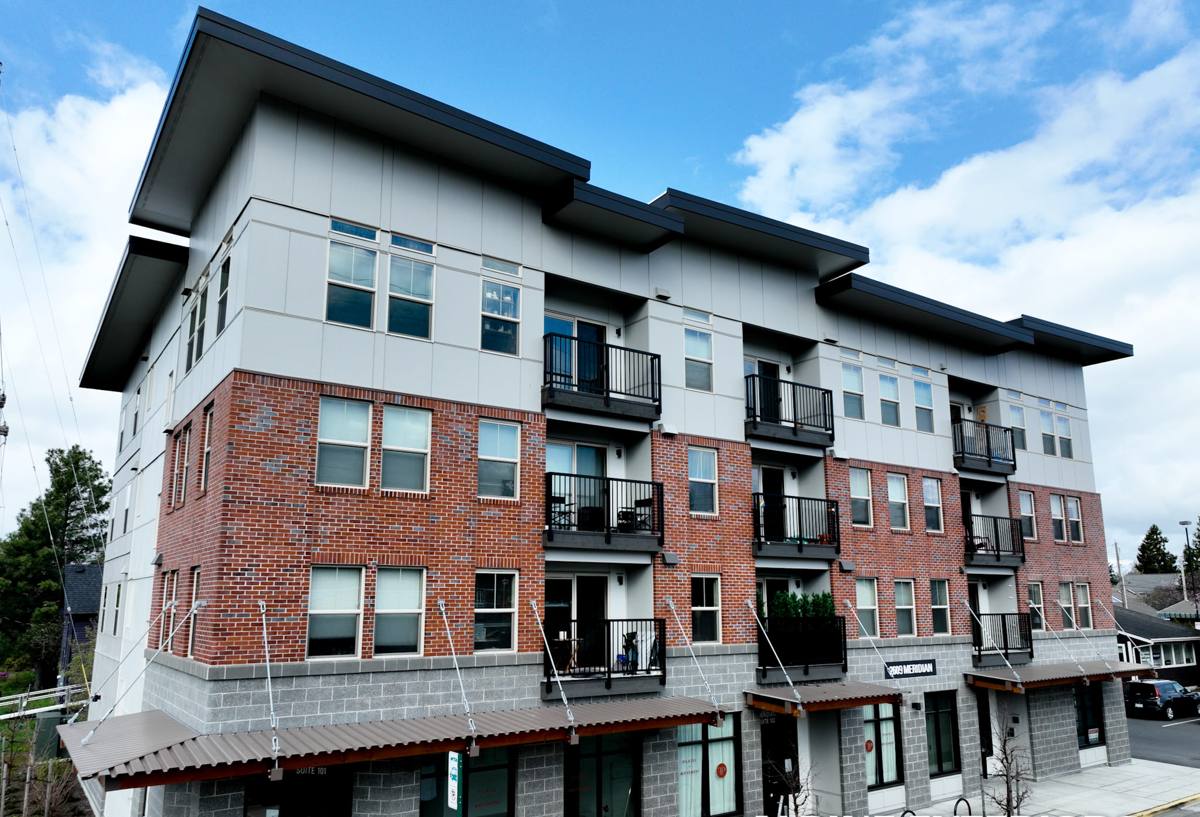
What Driving Rain and Salt Air Actually Do to Windows
Water Intrusion
Wind-driven rain doesn't just hit a window head-on — it gets pushed sideways and upward into gaps, laps, and seams that would stay dry in calmer weather. If the flashing behind the window isn't lapped correctly, or the sill pan isn't sloped to shed water back out, moisture works its way behind the trim and into the wall framing. That damage is invisible for years before it shows up as soft siding, stained drywall, or a musty smell in a room.
Salt Air and Metal Components
Homes closer to the water deal with airborne salt that accelerates corrosion on window hardware — hinges, cranks, locks, and screws — long before the glass or frame itself is a problem. Cheaper hardware finishes pit and seize up years ahead of schedule. It's a slower, quieter failure than a leak, but it's just as real a maintenance cost over time.
Moss, Algae, and Prolonged Dampness
Shaded lots and long stretches of overcast, wet weather mean horizontal surfaces — window sills, sashes, and bottom rails — can stay damp for days at a stretch. On wood or wood-composite sills that aren't detailed to drain and dry quickly, that dampness feeds moss and algae growth and eventually invites rot at the most vulnerable point of the window: where it meets the exterior wall.
Signs a Sunnyland Home's Windows Need Attention
Not every window issue means a full replacement, but these are the signs worth acting on before they turn into structural repairs:
- Visible gaps, cracked caulk, or daylight around the window frame
- Soft or discolored trim, siding, or interior drywall near a window
- Windows that are hard to open, close, or lock — a sign of frame movement or hardware corrosion
- Persistent condensation between panes (a sign the seal on a double- or triple-pane unit has failed)
- Moss or dark staining building up on sills or lower sashes
- Noticeable drafts or a cold spot near the window even with it fully closed
- Rising heating bills without another clear cause
Any one of these on its own might just need a repair. Several at once, or on a window over 15–20 years old, usually means replacement is the more cost-effective path.
What a Correct Installation Actually Involves
A window installation is only as good as the details nobody sees once the trim goes back on. In a climate like this one, a few of those details matter more than usual.
Sill Pan and Flashing
Every opening should get a sloped sill pan so any water that gets past the window drains back outside instead of sitting against the framing. Flashing tape and building paper need to be lapped in the correct order — top piece over the one below it — so water sheds down and out like shingles, never trapped behind a layer above it.
Sealant and Weep Paths
Exterior sealant has to be continuous, with no gaps, but the window still needs a clear weep path so any incidental moisture that does get in can escape rather than pool inside the frame. Sealing a window completely airtight without a way for trapped water to exit is a common shortcut that causes hidden rot.
Insulation and Air Sealing at the Rough Opening
The gap between the window frame and the rough opening needs to be filled with a material that stays flexible and doesn't compress or shrink away over time, sealing out both drafts and moisture-laden air without restricting the frame's ability to expand and contract with temperature swings.
Choosing Materials That Hold Up Here
Window frame material affects how well a window handles sustained damp weather and salt-tinged air over the long run. There's no single right answer for every home, but here's how the common options compare for this specific climate:
| Material | Moisture Resistance | Salt Air Durability | Maintenance |
|---|---|---|---|
| Vinyl | Very good — won't rot, doesn't need painting | Good; check hardware quality | Low — occasional cleaning |
| Fiberglass | Excellent — dimensionally stable, resists warping | Excellent | Low |
| Wood-Clad | Good if cladding and seals are intact; interior wood needs protection | Fair — cladding helps but seams need monitoring | Moderate to high |
| Aluminum | Fair — prone to condensation without thermal break | Poor without upgraded coatings | Moderate |
For most Sunnyland homes, vinyl and fiberglass are the practical choices — both shed water well, don't rot, and hold up to salt air without a heavy maintenance schedule. Wood-clad windows can still be the right call for a specific architectural look, but they come with more upkeep to keep the seals and cladding performing over time. Whatever material you choose, hardware quality matters as much as the frame — it's usually the first thing to show wear in this air.
Our Installation Process
1. On-Site Assessment
We look at each opening individually — existing framing condition, current flashing (if any is visible), signs of past water intrusion, and how exposed that particular wall is to prevailing wind and rain. Not every wall on a house takes the same beating, and the installation approach should reflect that.
2. Removal and Opening Prep
Old windows come out carefully so we can inspect the framing underneath before anything new goes in. Any soft or damaged wood gets addressed at this stage — installing a new window over compromised framing just locks the problem inside the wall.
3. Flashing, Sill Pan, and Window Set
This is where the long-term performance of the installation is decided. Sill pan, flashing lapped correctly, and the window shimmed and set plumb and square before it's fastened.
4. Insulation, Sealant, and Trim
Rough opening gap insulated, exterior sealant applied with weep paths preserved, and trim reinstalled or replaced to match the home.
5. Final Check
Every window gets operated, checked for square, and inspected for a clean, consistent seal before we consider the job finished.
Why a Crew That Already Works in Sunnyland Matters
Window installation isn't a one-size-fits-all trade, and it shows most in a place like this. A crew that regularly works Sudden Valley and the surrounding Whatcom County neighborhoods already knows how exposed a given wall or elevation tends to be, what flashing details actually hold up through a wet Pacific Northwest winter, and how to schedule an install around the weather windows this area actually gets rather than assuming clear, dry days on demand. That local pattern recognition is hard to substitute for, and it's usually the difference between a window that performs for 20-plus years and one that starts showing problems in five.
It also matters for permitting and code — requirements can vary by jurisdiction, and a crew already familiar with local requirements avoids delays that catch out-of-area contractors off guard.
Cost Factors to Expect
Window installation pricing depends on more than the window itself. The main variables worth understanding before you get quotes:
- Window material and size — fiberglass and larger units cost more than standard vinyl
- Number of openings — per-window cost typically drops on larger jobs
- Condition of existing framing — hidden rot or water damage found during removal adds cost to repair before the new window goes in
- Story height and access — second-story or hard-to-access windows take more labor
- Trim and siding work — matching existing trim or repairing surrounding siding adds to the scope
We give a firm, itemized quote after the on-site assessment rather than a rough number sight unseen, since framing condition often isn't clear until the old window comes off the wall.
Keeping New Windows Performing Long-Term
A correctly installed window still benefits from basic upkeep in this climate. Rinse sills periodically to keep moss and algae from getting established, keep weep holes clear of debris, and do a quick visual check of exterior caulk each year — catching a small gap early is a five-minute fix, where a neglected one can mean a repair down the line. Hardware benefits from an occasional check too, since salt air is hardest on moving metal parts.
If you're weighing a window replacement or installation for a Sunnyland home, we're happy to take a look and walk through what your specific windows and walls need — no pressure, no obligation. Reach out through the form below to schedule a free estimate.