 Sudden Valley Siding
 Why Window Choice Matters More in Sunnyland
Homes around Sunnyland and Sudden Valley sit in one of the tougher window environments in Whatcom County. You've got moisture coming from multiple directions: driving rain off Lake Whatcom and the surrounding hills, salt-tinged marine air working its way inland, and a moss season that can stretch from October well into spring. None of that is a problem a window can just "handle" if it wasn't built and installed with this climate in mind. It's a problem that shows up slowly — as a musty smell in a bedroom corner, a foggy pane that never clears, or a heating bill that climbs every winter no matter how high you turn the thermostat.
We're not talking about cosmetic upgrades here. Energy-efficient windows done right are a moisture-management system first and an insulation upgrade second. Get the order backwards and you end up with a good-looking window that fails from the inside out within a few years.
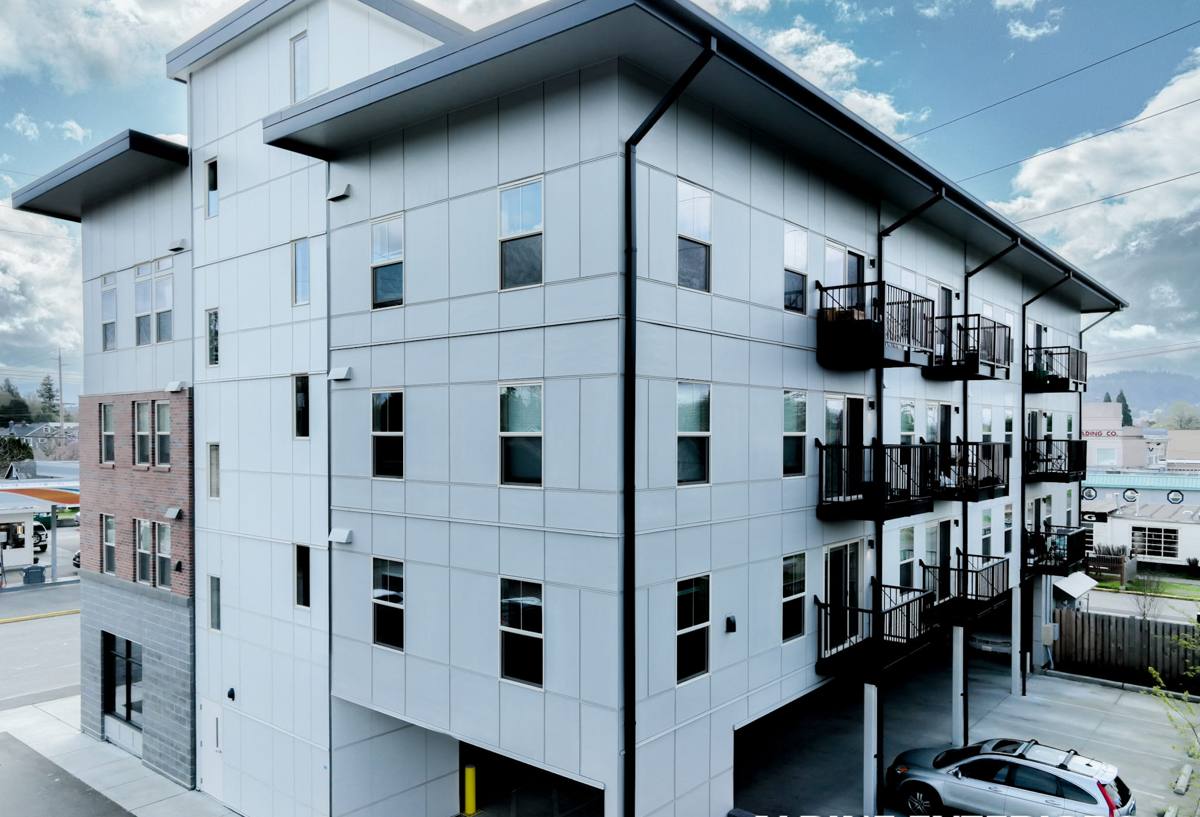
What the Local Climate Actually Does to Windows
Driving Rain
Wind-driven rain doesn't just hit a window — it gets forced sideways and upward into every gap, seam, and nail hole around the frame. Standard flashing and a bead of caulk aren't enough on exposures that catch weather off the lake or open hillside. Water that gets behind the frame and can't drain back out is what rots sheathing and framing, usually long before anyone notices from inside the house.
Salt Air
Whatcom County isn't oceanfront, but homes with exposure toward Bellingham Bay and the Sound still pick up salt-laden air, especially on windy days. Salt accelerates corrosion on hardware, hinges, and lesser-grade aluminum components, and it degrades cheap sealants faster than manufacturers' published lifespans suggest. It's a slow, cumulative effect — you won't see it in year one, but you'll see it in year eight.
Moss Season
Extended damp, low-light stretches let moss and algae take hold on anything that stays wet — window sills, trim, and the tops of frames tucked under eaves or trees. Beyond looking bad, moss holds moisture against wood trim and paint, which shortens the life of even a well-installed window if the surrounding trim isn't detailed to shed water and dry out.
Signs a Sunnyland Home's Windows Are Underperforming
- Cold drafts near the window even when it's fully latched
- Condensation or fog forming between the panes of a double-pane unit (a sign the seal has failed)
- Visible gaps, cracked caulk, or soft/spongy trim around the frame
- Moss or dark staining building up on sills and lower trim year after year
- Noticeably higher heating costs compared to similar-sized homes nearby
- Windows that are hard to open, close, or lock — a sign the frame has shifted or swollen
What a Correct Installation Actually Involves
Swapping in a new window without addressing the opening around it is the single most common mistake we see on redo jobs. A correct install, especially in a wet, wind-exposed spot like Sunnyland, means:
Opening Prep
Removing the old unit and inspecting the rough opening for hidden rot before anything new goes in. If the sheathing or framing underneath has been compromised by years of slow water intrusion, that gets addressed first — installing a new window over damaged framing just locks the problem in.
Flashing and Drainage
Proper flashing tape and a drainage plane that directs any water that does get past the exterior trim back out, not into the wall cavity. This matters far more here than in drier parts of the state, because driving rain will find any shortcut in the flashing sequence.
Sealing Without Trapping Moisture
Sealant on the exterior face, but the assembly still needs a way to breathe and drain — fully "gluing" a window into an opening with no drainage path is a common shortcut that backfires in a climate this wet.
Hardware and Fasteners
Corrosion-resistant fasteners and hardware, given the salt exposure. Standard mild-steel fasteners can start showing rust streaks on light-colored siding or trim well before the window itself has any issues.
Comparing Window Types for This Climate
| Frame Material | How It Handles Moisture | Maintenance | Typical Lifespan Here |
|---|---|---|---|
| Vinyl | Won't rot; seams and welds are the weak point in wind-driven rain | Low — occasional cleaning | 20–30 years |
| Fiberglass | Very stable, resists warping and expansion/contraction from wet-dry cycles | Low | 30–40+ years |
| Wood (unclad) | Attractive but vulnerable to prolonged damp and moss contact without diligent upkeep | High — repainting/sealing needed regularly | Highly dependent on maintenance |
| Wood-clad (vinyl or aluminum exterior) | Good — cladding sheds the weather, wood interior stays protected | Moderate | 25–35 years |
| Aluminum (uninsulated) | Conducts cold and can corrode faster in salt air unless properly finished | Moderate | Varies widely by finish quality |
For most Sunnyland homes, we steer people toward vinyl or fiberglass frames with a good drainage design, paired with double- or triple-pane glass and a low-E coating suited to the Pacific Northwest's mix of cool winters and mild-to-moderate summer sun. Wood-clad is a fine choice for homeowners who want the interior wood look, as long as they understand the trim around it needs regular attention in a climate this damp.
Our Process for a Sunnyland Window Job
- On-site assessment — we look at existing window condition, framing, and exposure (which walls take the worst of the wind-driven rain matters a lot here).
- Product recommendation — matched to your home's exposure, budget, and how much upkeep you want to take on long-term.
- Opening inspection during removal — any hidden rot or water damage gets flagged and priced honestly before we move forward, not discovered as a surprise change order.
- Flashing, drainage, and sealing done to a wet-climate standard — not the bare minimum a manufacturer's install guide allows for a dry-climate installation.
- Interior and exterior trim finish — detailed to shed water and resist the moss buildup that's common on north- and shade-facing walls.
- Walkthrough — we show you how the new windows operate, and what basic upkeep will keep them performing through the wet season.
Cost Factors Worth Understanding
| Factor | Why It Moves the Price |
|---|---|
| Frame material | Fiberglass and wood-clad cost more upfront than standard vinyl but often cost less over the life of the window |
| Glass package | Double-pane with low-E is standard; triple-pane or upgraded coatings add cost but improve comfort near cold walls |
| Number of windows and access | Second-story or hard-to-access openings take more labor time |
| Hidden damage found during removal | Rotted sheathing or framing found once the old window is out adds repair cost, but skipping the repair guarantees a repeat failure |
| Exposure and wind rating needed | Walls that take direct driving rain may call for higher-spec flashing details and hardware |
We give straightforward, itemized pricing — no vague "per opening" numbers that hide what you're actually paying for materials versus labor versus any repair work.
Why a Crew That Already Works Sunnyland Matters
A window crew that mostly works drier, less wind-exposed parts of the county can do a technically fine install and still leave you with a callback in three years, because the exposure here demands more attention to flashing sequence, drainage, and material choice than a textbook install in a sheltered spot. Working this area regularly means we already know which wall orientations in Sunnyland and the wider Sudden Valley area take the worst of the weather, which older homes tend to have deferred trim maintenance hiding rot, and which product lines actually hold up here versus which ones look good on a spec sheet but struggle with sustained damp exposure and salt air over time.
That local pattern recognition is the difference between a window job that's still tight and dry in ten years and one that needs revisiting after the first hard winter storm off the lake.
Living With Your New Windows in Whatcom County's Climate
- Rinse sills and tracks periodically during moss season to keep organic buildup from holding moisture
- Check exterior caulking annually, especially on walls that take direct wind-driven rain
- Keep gutters and downspouts clear so runoff isn't sheeting down across window heads
- Trim back vegetation that shades windows and keeps them damp longer than surrounding areas
- Operate windows through a full open-close cycle a few times each season so hardware doesn't seize from disuse and humidity
None of this is heavy maintenance — it's the kind of upkeep that takes an hour or two a year and meaningfully extends the life of a correctly installed window in this climate.
If your Sunnyland home has drafty, foggy, or moss-stained windows — or you're planning ahead for a replacement before winter storms roll back in — we'll come take a look and give you a straightforward, no-pressure estimate using the form below.