 Sudden Valley Siding
 Board & Batten Siding Built for Silver Beach
Silver Beach homes carry a distinct look: strong vertical lines, deep shadow reveals, a clean modern-farmhouse or lake-cabin profile that fits the wooded, water-adjacent character of this part of Whatcom County. Board and batten is one of the most requested siding profiles out here, and for good reason — it reads well against evergreens and water views, it hides seams cleanly, and it holds up visually better than lap siding on tall gable ends and dormers.
But board and batten is also one of the least forgiving profiles to get wrong. The vertical boards and the battens that cover their seams create a lot of exposed edges, a lot of fastener penetrations, and a lot of opportunities for water to get behind the cladding instead of running off it. In a climate like Silver Beach's — marine-influenced air, long stretches of driving rain, and a moss season that can run half the year — those details aren't cosmetic. They're the difference between siding that lasts decades and siding that's showing rot, staining, or panel failure inside ten years.
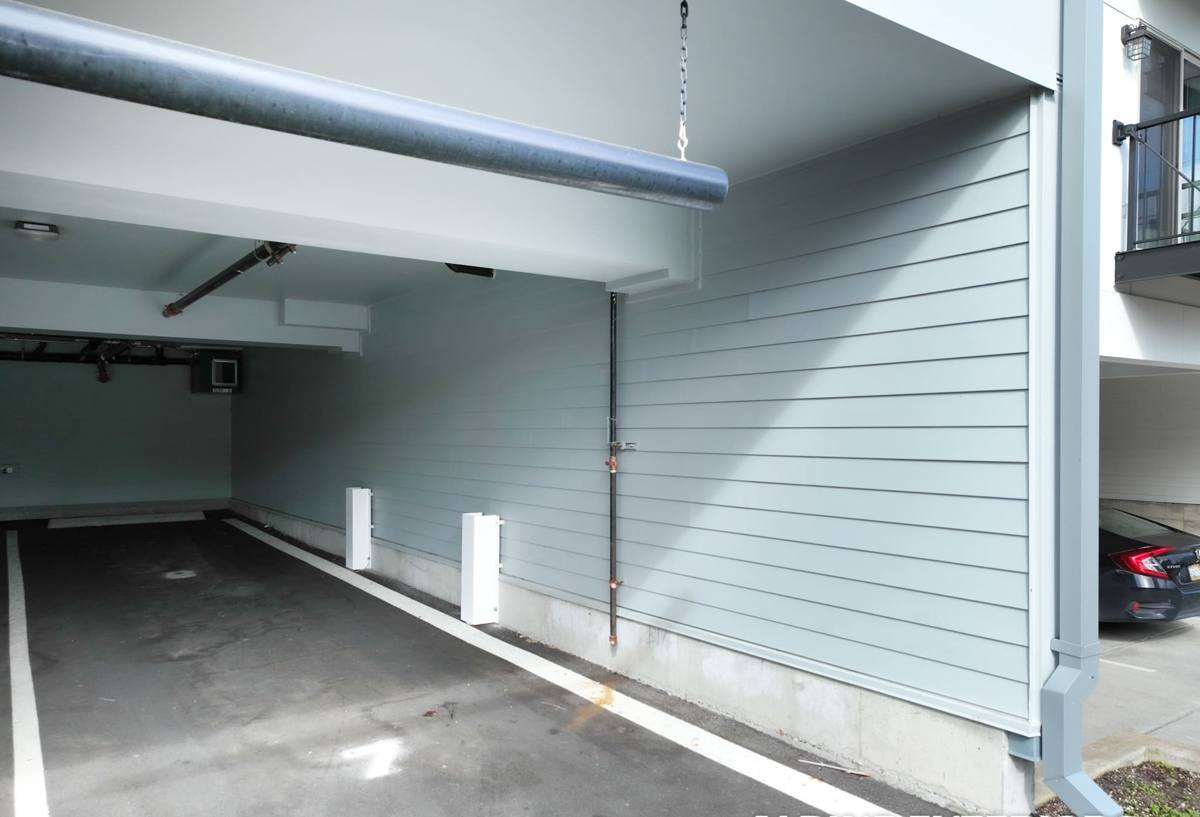
What Silver Beach's Climate Does to Vertical Siding
Marine air and salt exposure
Homes in and around Silver Beach sit close enough to open water that the air carries persistent moisture and salt-laden humidity for much of the year. That combination is hard on fasteners, hard on paint film, and hard on any wood-based product that isn't fully sealed on every cut edge. Fastener corrosion and finish breakdown both show up faster here than they would on a home twenty miles inland.
Driving rain
Whatcom County storms don't just fall straight down — wind-driven rain off the water pushes water sideways into vertical seams, under battens, and around window and door trim. Board and batten has more vertical seam length per square foot than horizontal lap siding, so every one of those seams needs to be detailed to shed water outward, not wick it inward.
A long moss season
Shade from mature trees, high ambient humidity, and mild winters add up to a moss and algae season that runs far longer here than in drier parts of the state. Moss holds moisture directly against the siding surface. On a product without a durable factory finish, that constant damp contact is where paint failure, swelling, and rot typically start.
Board & Batten vs. Other Siding Profiles
Board and batten isn't the right call for every home, and it's worth understanding how it compares before committing to it.
| Profile | Look | Water exposure risk | Best fit |
|---|---|---|---|
| Board & batten | Bold vertical lines, deep shadow reveal | Higher seam count, needs a rainscreen and correct batten spacing | Gables, dormers, accent walls, modern-farmhouse and cabin styles |
| Horizontal lap | Traditional, shingle-adjacent | Each course naturally sheds water downward | Full-elevation siding on most home styles |
| Shingle/shake panel | Textured, coastal | Moderate — many small overlaps | Accent gables, transitional styles |
Many Silver Beach projects actually mix profiles — board and batten on gables and accent sections, horizontal lap on the main body — which keeps the architectural interest without putting the whole home's weather protection on the more seam-heavy profile.
What a Correct Board & Batten Install Involves
A drainage plane behind the siding
Board and batten should never go directly against the weather-resistive barrier. A rainscreen gap — typically a furring strip or drainage mat — lets any water that does get past the battens drain and dry instead of sitting against the sheathing. This is the single most important detail on a board and batten job in a wet climate, and it's also the detail most often skipped by crews trying to save a day of labor.
Fastening through the right layer
Battens need to land on solid backing — either the vertical boards' seams over blocking, or furring strips fastened into framing — with corrosion-resistant fasteners driven to the manufacturer's spec, not overdriven or underdriven. In marine air, fastener choice matters more than it does inland; the wrong fastener corrodes and stains the siding face within a few seasons.
Flashing, corners, and penetrations
Every window head, corner, and utility penetration on a board and batten wall is a place where a vertical seam meets a horizontal detail. Head flashing, kick-out flashing at roof-to-wall intersections, and properly lapped weather barrier at every penetration are what keep driving rain from finding its way behind the cladding.
Batten spacing and expansion
Battens need consistent, specified gaps at board seams to allow for material movement without buckling or splitting. Tight, inconsistent spacing is a common shortcut that looks fine on installation day and causes problems within a year or two.
Why We Only Install James Hardie for This Profile
We install James Hardie fiber cement exclusively — we don't install LP SmartSide, vinyl, Cemplank, Allura, primed spruce, or cedar board and batten. That's a deliberate standard, not a sales pitch. Board and batten in particular is unforgiving of moisture-sensitive materials: it has more edge exposure, more fastener penetrations, and more direct water contact per square foot than almost any other siding profile. Wood-based and engineered-wood products depend on field-applied or factory primer holding up on every one of those cut edges, year after year, in exactly the kind of driving-rain, high-moisture climate Silver Beach sits in.
James Hardie's HZ10 product line is engineered for the Pacific Northwest's freeze-thaw and moisture cycle, and its ColorPlus finish is baked on at the factory rather than painted on site — a real advantage in a region where moss, algae, and constant damp shorten the life of field-applied paint. Hardie board and batten is non-combustible fiber cement, it doesn't swell or delaminate the way wood-based panels can, and it carries a strong transferable warranty when installed to spec. We'd rather turn down a job than install a product we don't think will hold up on a Silver Beach elevation.
Our Process for Silver Beach Projects
- On-site assessment of the specific elevations getting board and batten, including current moisture damage, drainage conditions, and sun/shade exposure
- Removal of existing siding and inspection of the sheathing and framing underneath for hidden rot before anything new goes up
- Installation of a proper weather-resistive barrier and rainscreen drainage gap
- Hardie board and batten install with corrosion-resistant fasteners, correct batten spacing, and manufacturer-spec nailing patterns
- Flashing and sealing at every window, door, corner, and penetration
- Final walkthrough covering what was installed and how to care for it going forward
Maintenance & Longevity: What Silver Beach Homeowners Should Expect
Correctly installed Hardie board and batten is low-maintenance, but "low" isn't "none" in this climate. A short annual routine keeps it performing the way it's designed to:
- Rinse siding once or twice a year to clear pollen, moss spores, and salt film before they build up
- Keep gutters clean and downspouts directed away from the wall — clogged gutters are a leading cause of localized siding damage
- Trim back tree branches and shrubs that hold shade and moisture directly against the siding
- Check caulking at windows, doors, and trim annually and re-seal any cracked joints promptly
- Look at batten seams and bottom edges each fall for early signs of staining or gaps before winter storms arrive
- Address any impact damage or loose boards quickly rather than letting moisture find a way in over a wet season
What Affects the Cost of a Board & Batten Project
| Factor | Why it matters |
|---|---|
| Elevation complexity | Gables, dormers, and multiple roof-wall intersections add flashing and labor time |
| Existing wall condition | Sheathing rot or old moisture damage found during tear-off adds repair scope |
| Rainscreen system | A full drainage gap adds material and labor but is essential in this climate |
| Board width and reveal | Wider boards and deeper reveals change material quantities and install time |
| Color and finish | Factory ColorPlus finishes vary in cost by color line versus field-primed options |
| Access and site conditions | Sloped lots, tree cover, and tight setbacks common around the lake affect staging and labor |
We walk every Silver Beach property in person before quoting — pricing by phone or photos alone leaves too much of this list unanswered.
Why It Matters to Hire a Crew That Already Works Silver Beach
A crew that regularly works Sudden Valley and the Silver Beach area already understands the local drainage conditions, the tree cover, the moss cycle, and the way wind-driven rain hits homes near the water differently than it hits homes further inland in Whatcom County. That local pattern recognition shows up in small decisions — where to add extra flashing, how much rainscreen gap to specify, which elevations need the most attention — that a crew unfamiliar with the area might miss on a first pass. It also means someone who knows the neighborhood is available if a warranty question or maintenance question comes up years down the road, not a company that did one job here and moved on.
If you're weighing board and batten for a home in Silver Beach, we're happy to walk the property, look at your specific elevations and drainage conditions, and give you a straightforward, no-pressure estimate — use the form below to get started.