 Sudden Valley Siding
 Why Sunnyland Homes Need Siding Built for This Climate
Sunnyland sits close enough to the water and to Whatcom County's marine weather patterns that siding here works harder than siding in a drier inland climate. Salt-laden air moves through the area, driving rain hits exterior walls at an angle for months at a time, and the long stretch of grey, wet weather every fall through spring gives moss, algae, and mildew plenty of time to take hold on anything that stays damp. None of that is dramatic on its own, but stacked together year after year, it is exactly the kind of slow, cumulative exposure that separates siding that lasts twenty-five years from siding that starts failing in eight.
A siding installation done right for a Sunnyland home has to account for all three of those stressors at once: a material that does not absorb and hold moisture, a installation method that keeps water moving away from the wall assembly instead of trapping it, and a finish that can shrug off salt air and organic growth without constant homeowner upkeep. That is the standard we install to on every job in this neighborhood, and it is why the product and the process matter as much as the crew doing the work.
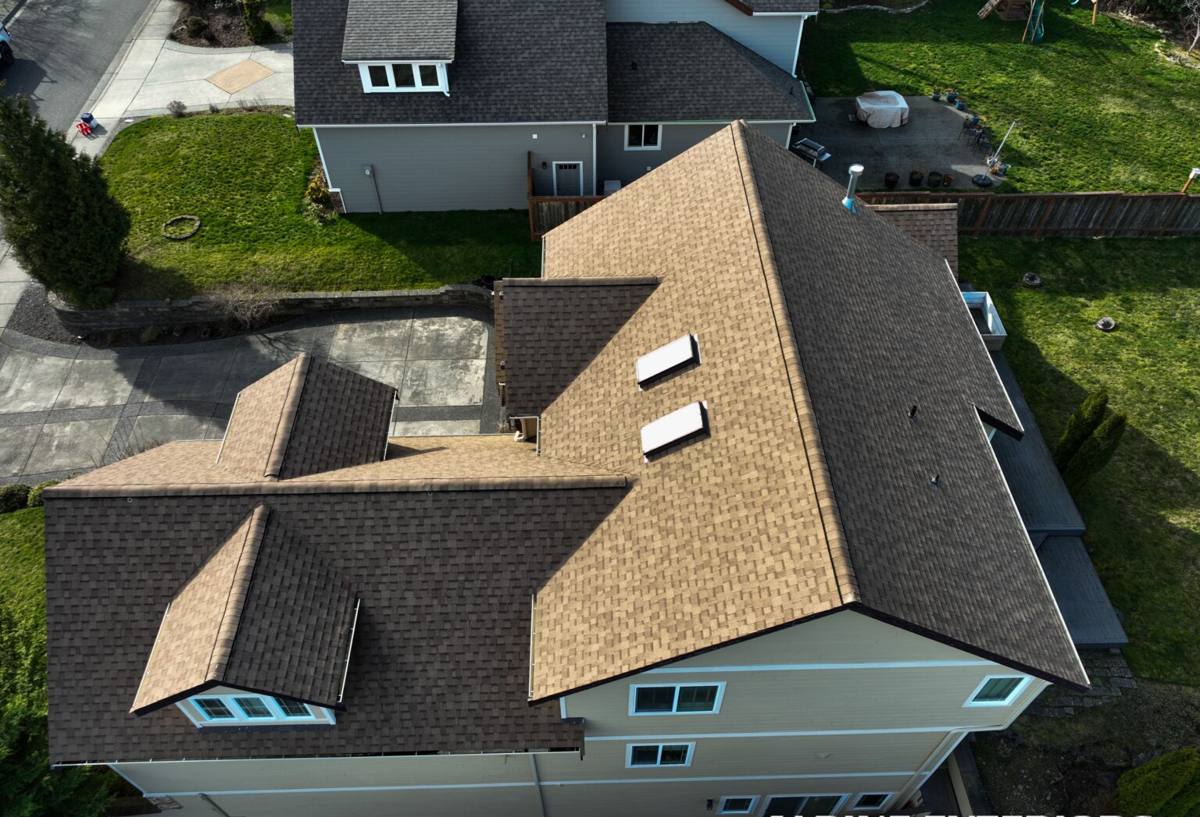
What Correct Siding Installation Actually Involves
Siding installation is often talked about like it is just fastening boards to a wall, but the boards are the least important part of whether the job holds up. The water management system behind and around them is what actually determines the lifespan of the installation.
The Parts You Won't See Once the Job Is Done
- Weather-resistant barrier: a continuous water-resistive barrier installed over the sheathing, lapped correctly so every seam sheds water downward, not into the wall.
- Flashing at every penetration: windows, doors, hose bibs, light fixtures, and vents all need proper flashing so water is directed out and away rather than behind the siding.
- Rainscreen or drainage gap: a small air gap behind the siding lets any incidental moisture drain and dry instead of sitting against the wall — especially important in a climate with as much sustained rain as this one.
- Correct fastening: nailing pattern, fastener type, and clearance from panel edges all affect whether the siding stays flat and sealed over time.
- Proper clearances and sealant: gaps at grade, decks, roof lines, and trim need the right clearance and the right sealant, not caulk used as a substitute for proper flashing.
Skip or rush any one of these steps and the siding can look fine for a year or two while moisture is already working its way into places it shouldn't be. This is the part of the job that separates a crew that understands water management from one that is just installing panels.
Why This Company Installs Only James Hardie Fiber Cement
We install one siding system: James Hardie fiber cement. We don't offer vinyl, LP SmartSide, Cemplank, Allura, primed spruce, or cedar, and that's a deliberate standard, not a limitation in what we're capable of installing.
Fiber cement is non-combustible, it doesn't expand and contract with moisture the way wood-based and engineered-wood products can, and it holds a factory-applied finish (Hardie's ColorPlus technology) that is baked on under controlled conditions rather than field-painted. In a climate with the moisture load Sunnyland sees, that combination matters: the material itself resists the swelling, warping, and edge deterioration that wood-based sidings are more prone to in sustained wet conditions, and the factory finish holds color and resists the fading and chalking that field-applied paint eventually shows. James Hardie also engineers specific product lines (its HZ5 and HZ10 systems) for different climate zones, which lets us match the product to the actual conditions a Sunnyland wall assembly faces rather than installing a one-size-fits-all product everywhere.
None of this means other siding products are without merit — vinyl is inexpensive and low-maintenance in the right application, and cedar has a natural look many homeowners want. But after years of doing this work in Whatcom County's climate, we standardized on one system we can install to a consistent standard and stand behind, and that system is James Hardie.
Our Installation Process for Sunnyland Homes
1. On-Site Assessment
We start by looking at the whole wall assembly, not just the visible siding — checking for existing moisture damage, trim condition, window and door flashing, and any areas (north-facing walls, low clearance at grade, spots shaded most of the day) that are more exposed to the moss and moisture issues common in this area.
2. Tear-Off and Sheathing Check
Old siding comes off and the sheathing underneath gets inspected before anything new goes on. If there's rot or water damage hiding behind the old siding — which is common on homes that have gone a long time without a full replacement — it gets addressed before the new system goes up, not covered over.
3. Weather Barrier and Drainage Plane
A new water-resistive barrier goes on with correctly lapped seams, followed by a drainage gap so the wall assembly can dry if any moisture does get behind the cladding — a detail that matters more here than in a drier climate.
4. Flashing and Trim
Every window, door, and penetration gets flashed correctly before trim and siding go around it. This is the step most likely to get rushed on a lower-quality install, and it's the step most responsible for leaks showing up years later.
5. Siding Installation
James Hardie panels or lap siding go up per the manufacturer's fastening specifications — correct nail type, spacing, and clearances — to keep the installation within warranty requirements and to keep the finished wall performing the way it's designed to.
6. Final Walkthrough
We walk the finished exterior with the homeowner, checking sealant lines, trim details, and overall fit before calling the job complete.
Signs Your Current Siding Is Already Struggling
Homeowners in Sunnyland often notice these signs well before they realize what's causing them. If you're seeing more than one of the following, it's worth having the siding looked at:
- Persistent green or black staining that comes back within weeks of being cleaned
- Soft or spongy spots when you press on the siding, especially near the bottom courses
- Visible warping, cupping, or boards that no longer sit flat against the wall
- Paint that is peeling, bubbling, or chalking heavily between paint cycles
- Gaps opening up at seams, corners, or trim joints
- A musty smell near exterior walls inside the home, which can point to moisture already behind the siding
Cost Factors for Sunnyland Siding Projects
Every home is different, so we won't quote a number without seeing the job, but these are the main factors that move a siding installation estimate up or down:
| Factor | Why It Affects the Project |
|---|---|
| Existing wall condition | Rot or water damage found under old siding adds repair work before new siding can go on |
| Home size and complexity | More corners, dormers, and roof lines mean more flashing, trim, and cut time |
| Siding profile chosen | Lap siding, panel systems, and shingle-style products differ in material and labor time |
| Trim and accent work | Detailed trim packages and accent siding add labor beyond a straightforward re-side |
| Access and site conditions | Steep lots, limited access, or landscaping close to the home can slow staging and installation |
| Full tear-off vs. overlay | Removing old siding down to the sheathing costs more up front but is the only way to properly address hidden moisture issues |
We walk through these factors with every homeowner during the estimate so there are no surprises once work starts.
Why Hiring a Crew That Already Works Sunnyland Matters
Siding installation isn't a generic skill that transfers identically from one region to another. A crew that regularly works this part of Whatcom County already knows which walls take the brunt of the driving rain, where moss tends to establish first, and how much drainage detail a given exposure actually needs versus what's overkill. That local pattern recognition shows up in small decisions throughout a job — where to add extra flashing attention, which walls warrant a closer look at the sheathing before covering it back up — that a crew unfamiliar with this specific climate might not think to prioritize.
It also matters for accountability. A local company has a reputation in the neighborhood and a reason to make sure the job is still performing well years after installation, not just on the day the crew leaves.
Maintenance After Installation
James Hardie siding is genuinely low-maintenance compared to wood-based products, but "low-maintenance" doesn't mean "no maintenance," especially in a climate that grows moss as readily as this one does.
- Rinse the exterior periodically with a garden hose to clear pollen, dust, and early moss growth before it establishes
- Keep gutters clean so overflow doesn't run down the siding face
- Trim back vegetation and landscaping that keeps a wall shaded and damp longer than the rest of the house
- Inspect caulking and sealant lines yearly and touch up as needed
- Address any soft spots, gaps, or damage promptly rather than waiting for the next full inspection
None of this is heavy work, but staying on top of it is what lets a correctly installed James Hardie system reach the full lifespan it's designed for in this climate.
Get a No-Pressure Estimate
If your Sunnyland home's siding is showing its age, or you just want an honest opinion on where it stands, we're happy to take a look. There's no obligation and no pressure — just a straightforward assessment and, if you want one, a written estimate for James Hardie siding installation done right for this climate. Fill out the form below to get started.