 Sudden Valley Siding
 Siding Repair in Sehome and Sudden Valley: A Different Job Than Most Places
Siding repair sounds like a simple trade until you actually work it in this part of Whatcom County. A cracked board in a dry inland climate is usually just a cracked board. The same crack on a home in Sehome or Sudden Valley is an open door for months of damp air, wind-driven rain, and shaded moisture to work their way behind the cladding before anyone notices a problem. Repairing siding here means understanding not just what broke, but why it broke in this specific environment, and what will happen if the underlying cause isn't addressed along with the visible damage.
We work on homes throughout Sudden Valley and the surrounding Sehome area regularly enough to know the patterns: which elevations take the worst weather, which trim details tend to fail first, and which "quick fixes" from a previous owner or handyman usually need to be undone before a real repair can be done. That local pattern recognition is worth more than it sounds, because it's the difference between a repair that lasts a few seasons and one that lasts the life of the siding.
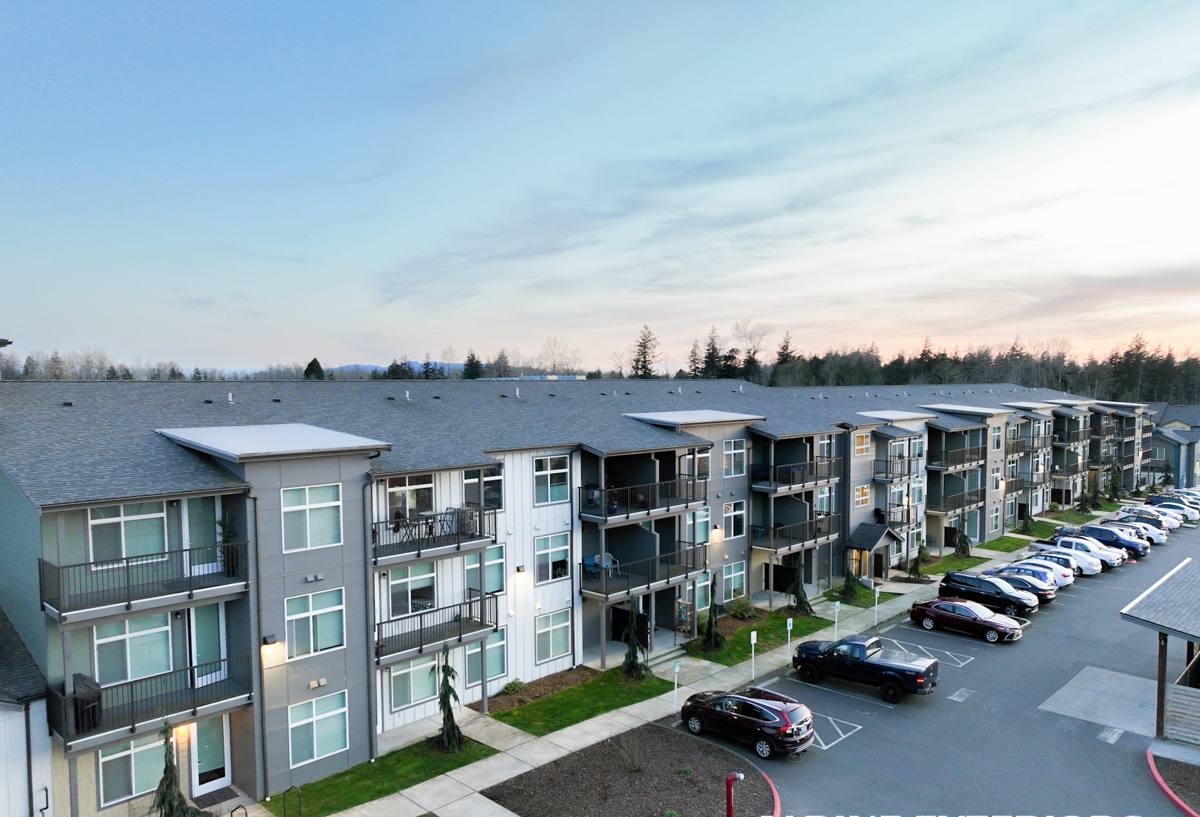
What This Climate Does to Siding Over Time
Salt Air and Fastener Corrosion
Homes in this part of Whatcom County sit close enough to the marine environment that salt-laden air is a real factor in how exterior materials age. Salt air accelerates corrosion in exposed or under-spec fasteners, flashing, and trim hardware. When fasteners rust and lose their grip, siding panels loosen, joints open up, and water gets a path inward that wasn't there when the siding was installed. A repair that just re-drives a loose nail without addressing corrosion underneath is a repair that will loosen again.
Driving Rain and Wind-Loaded Water
This region doesn't just get rain — it gets rain pushed sideways by wind, which behaves very differently than rain falling straight down. Driving rain finds horizontal laps, unsealed butt joints, and trim transitions that would stay dry in calmer weather. Over years, that repeated wind-driven moisture is what turns a small gap into water intrusion behind the siding, which is often worse than it looks from the outside.
A Long Moss Season
Between the tree cover common around Sudden Valley and the extended wet, mild stretches of the year, moss and algae have a long growing window here. Moss holds moisture against the siding surface far longer than open air would, softening paint film and, on the wrong material, softening the substrate underneath. Siding that stays damp under moss for weeks at a time ages faster than siding that's allowed to dry out between rain events.
Signs You Need Siding Repair, Not Just a Wash
Homeowners often wait to call because the damage looks minor from the ground. Some of the most common signs we're asked to look at include:
- Soft or spongy spots when you press on the siding, especially near the bottom courses
- Paint that's bubbling, peeling, or flaking in a localized area rather than evenly across a wall
- Dark staining or streaking below trim, seams, or window and door corners
- Persistent moss or algae growth that keeps coming back after cleaning
- Visible cracks, chips, or holes in individual boards or panels
- Gaps opening up at trim boards, corner boards, or where siding meets flashing
- A musty smell or visible staining on interior walls that back up to exterior siding
Any one of these on its own might be minor. Several together, or any sign paired with soft substrate underneath, usually means water has already gotten past the surface.
Repair or Replace? How We Make That Call
Not every siding problem needs a full replacement, and we don't try to sell one when a targeted repair will genuinely hold up. The decision comes down to how much of the wall is affected, what's causing the damage, and what's happening behind the siding itself.
| Factor | Points Toward Repair | Points Toward Replacement |
|---|---|---|
| Extent of damage | Isolated to one or a few boards/panels | Spread across multiple walls or elevations |
| Sheathing condition | Solid, dry substrate underneath | Soft or rotted sheathing found during inspection |
| Age of existing siding | Still well within expected service life | Already near or past the end of its usable life |
| Material match | Compatible replacement pieces available | Discontinued profile or color, poor color match |
| Root cause | Single identifiable failure point (flashing, fastener, impact) | Systemic moisture problem across the assembly |
We open up damaged sections before quoting anything, because you can't honestly answer these questions from the ground with binoculars. If the sheathing underneath is sound and the damage is contained, a proper repair is the right call and the honest one.
What a Correct Siding Repair Actually Involves
A repair that only addresses what's visible from the street tends to fail again within a season or two. A repair that actually holds up follows a few non-negotiable steps regardless of how small the visible damage looks:
- Find the source, not just the symptom. A stained or cracked board is often a downstream effect of a flashing gap, a caulk failure, or a fastener issue somewhere else on the wall.
- Open it up and check the substrate. Any repair worth doing includes checking the sheathing and framing behind the damaged area for softness or rot before closing it back up.
- Address the cause before closing the wall. That might mean correcting a flashing detail, replacing a corroded fastener, or re-sealing a joint that was never properly sealed in the first place.
- Match materials and profile. Mismatched board width, exposure, or texture stands out immediately and can also create new water paths at the seams.
- Finish with a proper seal and touch-up. Caulk joints and paint touch-up need to match the existing finish system, not just be "close enough."
Our Repair Process, Start to Finish
We keep the process straightforward because homeowners dealing with a siding problem usually just want a clear answer and a fair fix, not a sales pitch.
- On-site inspection. We look at the damage in person, including probing suspect areas and checking adjacent sections that haven't shown visible symptoms yet.
- Honest diagnosis. We tell you what we found, what caused it, and whether repair or replacement is the right call — and why.
- Written estimate. A clear scope of work and price before anything is touched, no vague allowances.
- The repair itself. Damaged material removed, substrate checked and addressed, new material installed and sealed to spec.
- Finish and walkthrough. Paint or finish matched as closely as possible, area cleaned up, and the work reviewed with you before we call it done.
Why We Repair Using James Hardie Fiber Cement
We install James Hardie fiber cement siding exclusively, and that shapes how we approach repairs too. When a home already has Hardie siding, replacement boards are the same non-combustible fiber cement material with a matching ColorPlus factory finish, so a repaired section ages the same way as the rest of the wall instead of weathering, fading, or absorbing moisture at a different rate. That consistency matters in a climate like this one, where mismatched materials show their differences fast under constant damp and moss exposure.
When we're asked to patch or extend siding on a home that has a different product — vinyl, LP SmartSide, cedar, or primed spruce — we'll say so plainly rather than pretend it's a simple swap. Vinyl expands and contracts differently than fiber cement and can't always be feathered into an existing wall cleanly. Wood-based products have their own moisture sensitivities that change how a repair needs to be detailed. We'll always give you an honest read on what a repair looks like on your specific siding, even when the honest answer is that a full re-side with fiber cement is the more durable long-term path for a home taking this much weather.
Why Local Experience in Sehome and Sudden Valley Matters
Siding repair isn't a one-size-fits-all trade. A crew that mostly works in drier, inland climates doesn't necessarily think about salt air corrosion on fasteners or how moss holds moisture against a wall for weeks at a stretch. Working regularly in Sehome and around Sudden Valley means we've already seen how this specific climate ages siding, which elevations on a typical lot take the worst of the driving rain, and which repair shortcuts don't hold up here even if they'd be fine somewhere else.
That local familiarity also means faster, more accurate diagnosis. We're not guessing at how Whatcom County's wet season behaves — we're accounting for it in every repair we scope and every material match we recommend.
Maintenance Checklist: Protecting Your Siding Between Repairs
Most siding damage in this area is slow and cumulative, which means a little regular attention goes a long way toward avoiding repairs altogether.
- Rinse siding annually to remove built-up moss, algae, and grime before it holds moisture against the surface
- Trim back shrubs, trees, and vines so siding gets airflow and sunlight to dry out between rain events
- Check and re-caulk joints around windows, doors, and trim every couple of years
- Keep gutters clear so overflow doesn't run down the wall face during heavy rain
- Walk the exterior after major storms and look for anything newly loose, cracked, or stained
- Address small issues quickly — a single loose board is a much smaller job than the water damage it can cause left alone
If you're noticing any of the warning signs above, or you just want a second opinion on a repair someone else quoted, we're happy to take a look. Reach out for a free, no-pressure estimate using the form below — we'll give you a straight answer on what's actually going on with your siding and what it will take to fix it right.