 Sudden Valley Siding
 Building New on Yew Street? The Windows Have to Be Right From the Start
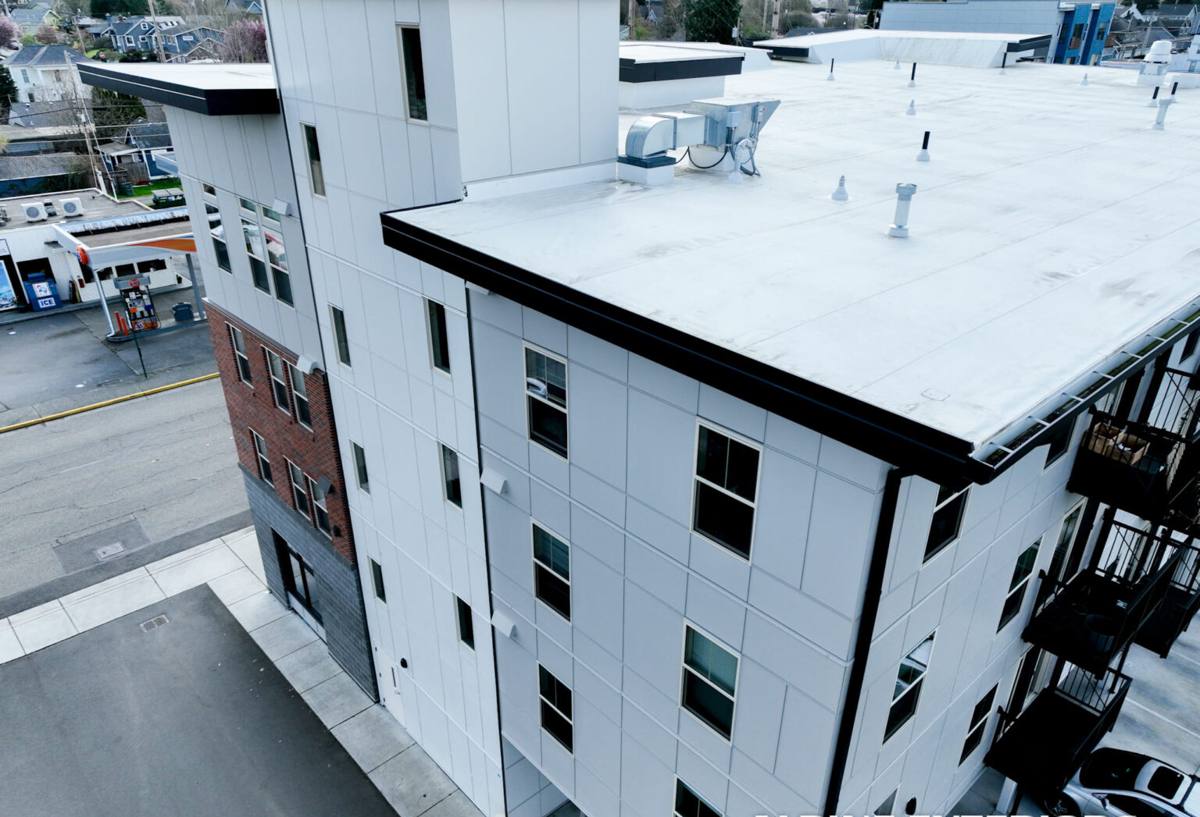
New-construction window installation is a different job than swapping out an old window in an existing wall, and the difference matters most before the siding ever goes on. On a new build near Yew Street in Sudden Valley, the window units are set into open framing while the weather-resistive barrier, flashing, and trim are all still exposed and adjustable. That's an advantage — but only if the crew doing it understands how those layers need to work together for the long haul. Get it wrong at this stage and the mistake gets sealed inside the wall for years, often not showing up as a problem until the trim starts staining or the sill starts to soften.
We install new-construction windows on homes throughout Whatcom County, and Sudden Valley builds bring their own set of conditions to account for. This page covers what a correct new-construction window install actually involves, what local climate demands of the materials and the flashing detail, and why it's worth hiring a crew that already understands this area rather than one learning it on your project.
What Sudden Valley's Climate Asks of a New Window Install
Whatcom County's climate is mild, but it's also relentlessly damp for a good part of the year, and that has real consequences for how a window opening should be built and sealed.
A Long Moss Season
Moss and algae don't just grow on roofs here — they take hold on north-facing trim, sills, and any surface that stays shaded and damp for weeks at a stretch. Around Sudden Valley, with its tree cover and lake-effect humidity, that season runs long. Organic growth on window trim isn't just cosmetic; it holds moisture against wood and paint film, which shortens the life of caulk joints and finish coats around the window opening if the details underneath aren't sound.
Marine Air and Salt-Tinged Moisture
Whatcom County sits close enough to Puget Sound and the Strait that marine air reaches inland regularly, carrying fine salt content with it. Over years, that air accelerates corrosion on window hardware — hinges, cranks, screen frames, and exposed fasteners — faster than it would in a dry inland climate. It's a slow effect, but it's a real one, and it's part of why hardware finish and fastener choice matter more here than in drier parts of the state.
Driving, Wind-Driven Rain
Rain here doesn't always fall straight down. Wind-driven rain pushes water sideways against a wall and up under trim edges, which is exactly the condition that exposes a weak flashing detail. A window that would perform fine in a calmer, drier climate can leak here if the head flashing, side flashing, and sill pan aren't layered correctly to shed water outward instead of letting it track back toward the framing.
New-Construction vs. Retrofit Windows: Why the Assembly Is Different
Homeowners sometimes assume any window is any window, but new-construction and replacement units are built and installed differently, and mixing up the approach on a new build causes problems.
| Factor | New-Construction Window | Replacement/Retrofit Window |
|---|---|---|
| Frame style | Nail fin frame, fastens directly to sheathing | Flush fin or pocket frame, fits inside existing opening |
| Installed at what stage | Before siding and trim go on | After siding is already in place |
| Flashing integration | Full sill pan, house wrap, and flashing tape layered in sequence | Limited to what's accessible without removing siding |
| Best use case | New builds, additions, full wall rebuilds | Existing homes keeping the current siding |
| Long-term weather performance | Highest, when installed correctly the first time | Good, but limited by what the existing wall allows |
Because a new-construction window is fastened through a nail fin directly to the sheathing, the flashing sequence around it has to be built in the right order — house wrap first, sill pan next, window set into the pan, then side and head flashing lapped over the fin in a way that sheds water down and out, never up and in. This is a one-shot install. There's no siding to pull back later and fix it.
Our New-Construction Window Process on a Yew Street Build
Every new-construction window install we do follows the same sequence, adjusted for the specific product and wall assembly on that job:
- Confirm rough openings are square, plumb, and sized correctly against the window schedule before any unit arrives on site.
- Install or verify the weather-resistive barrier is continuous and properly lapped around the opening.
- Set a sloped sill pan flashing at the base of every opening so any water that gets past the window drains back out, not into the wall.
- Set the window plumb, level, and square in the opening, shimmed correctly so the frame isn't under stress that can affect operation later.
- Fasten through the nail fin per the manufacturer's schedule — the right fastener type and spacing, not a shortcut pattern.
- Layer flashing tape over the fin at the sides first, then the head, so water sheds down and over each lap, never behind it.
- Seal and insulate the interior gap around the frame, then check operation and weatherstripping contact before trim goes on.
None of this is unusual in the trade — it's the standard sequence taught for a reason. Where jobs go wrong is when steps get skipped or done out of order under schedule pressure. We don't skip steps.
Choosing Frame Materials for a Sudden Valley Build
Frame material affects how a window handles Whatcom County's damp climate, how much upkeep it needs, and what it costs. There's no single right answer — it depends on the home's design, budget, and how much maintenance the owner wants to take on.
| Frame Material | Moisture Tolerance | Maintenance | Typical Fit |
|---|---|---|---|
| Vinyl | Good — won't rot, doesn't need finish upkeep | Low | Budget-conscious builds, rental or spec homes |
| Fiberglass | Very good — dimensionally stable in wet/dry cycling | Low | Higher-performance builds, larger openings |
| Wood-clad | Depends on clad integrity; interior wood needs protection from condensation | Moderate to high | Traditional or high-end aesthetic where interior wood trim is wanted |
In a climate with this much sustained moisture and moss growth, we lean toward vinyl or fiberglass for most new-construction jobs because they don't depend on a finish coat holding up over years of damp shade. Wood-clad windows can still be the right call for a specific design goal, but we're upfront that they carry a higher long-term maintenance commitment in this climate — that's a trade-off to go in with eyes open about, not a reason to avoid them outright.
Flashing and Sealant Details That Determine Whether the Wall Stays Dry
The window unit itself gets most of the attention, but the flashing and sealant work around it is what actually keeps water out of the wall over the life of the house. A few details we hold to on every job:
Sill pans, not just caulk. A bead of sealant along the bottom of a window opening is not a substitute for a sloped sill pan. Caulk fails eventually; a properly built pan keeps working even after that happens.
Correct lap order. Flashing has to overlap like shingles — each layer covering the one below it — so water always moves down and outward. Reversing the order, even on one side, creates a spot where water gets trapped instead of shed.
Compatible sealants. Not every sealant bonds well to every window frame material or house wrap. We match sealant chemistry to the surfaces it's touching so the joint stays flexible and adhered instead of cracking or peeling loose after a season or two of freeze-thaw and UV exposure.
Trim details that shed, not trap. Head trim and sills should be sloped or detailed to move water away from the window, not create a shelf where it sits — especially given how long organic growth and standing moisture can linger in this climate.
Mistakes We Watch For (and Correct) in New-Construction Window Installs
- Skipping or shortcutting the sill pan flashing because it takes extra time
- Fastening through the nail fin with the wrong screw type or spacing, which can void the manufacturer's warranty
- Lapping flashing tape in the wrong order, trapping water against the sheathing instead of shedding it
- Installing windows before the weather-resistive barrier is fully lapped and sealed around the opening
- Using a sealant not rated for compatibility with the window frame or house wrap material
- Leaving gaps in interior insulation around the frame that lead to condensation and drafts later
None of these are exotic failures — they're common shortcuts that show up on new builds when the crew is moving fast or hasn't installed enough windows in this specific climate to know where the wet-season problems actually start.
Why Hire a Crew That Already Works the Sudden Valley Area
A window install that would hold up fine in a dry, low-wind climate can still leak here if it's not detailed for Whatcom County's combination of driving rain, marine air, and a moss season that keeps surfaces damp for months. A crew that regularly works Sudden Valley and the surrounding area already knows to build in that margin — the right flashing sequence, the right sealant choices, the right attention to hardware that will hold up against salt-tinged air over time. That's not something you can fully specify on paper; it comes from having done the work here before, on homes exposed to the same conditions yours will face.
We also know what local building department inspectors expect to see at rough-in and at final, which keeps a new-construction window install from becoming a scheduling headache for the builder or homeowner overseeing the project.
What to Ask Before You Hire a New-Construction Window Contractor
- Are you licensed and bonded to work in Washington, and can you provide proof?
- Who installs the sill pan flashing, and can you walk me through the sequence before siding goes on?
- What fastener type and spacing do you use through the nail fin, and does it match the window manufacturer's requirements?
- What sealant do you use, and is it rated compatible with this window's frame material?
- Can I see the flashing detail before the wall is closed up, not just take your word for it afterward?
- What's your plan if an inspector flags something at rough-in?
Any contractor who's done real new-construction window work in this climate should be able to answer every one of these without hesitation.
Get a Free, No-Pressure Estimate
If you're building or framing a home near Yew Street in Sudden Valley and want the window openings done right the first time, we're happy to walk the plans or the job site with you and put together a straightforward estimate — no pressure, no upsell. Use the form below to get started.