 Sudden Valley Siding
 Why Fairhaven Siding Has to Work Harder Than Most
Fairhaven sits close to the water, which means homes here deal with a version of Whatcom County weather that's more aggressive than what you'll find a few miles inland. Salt-laden air off the bay accelerates corrosion on fasteners, trim, and anything with a weak factory finish. Driving rain off Puget Sound-fed storms doesn't just fall straight down — it gets pushed sideways into wall assemblies, testing every seam, joint, and piece of flashing. And the long, wet shoulder seasons that stretch from fall through spring give moss and algae months at a time to take hold on siding that doesn't shed water or dry out quickly.
None of this is unique to one property. It's the baseline condition for exterior work anywhere near Bellingham Bay, and it's the reason a siding job that looks fine going up can start failing within a few years if the materials or the installation weren't matched to this climate.
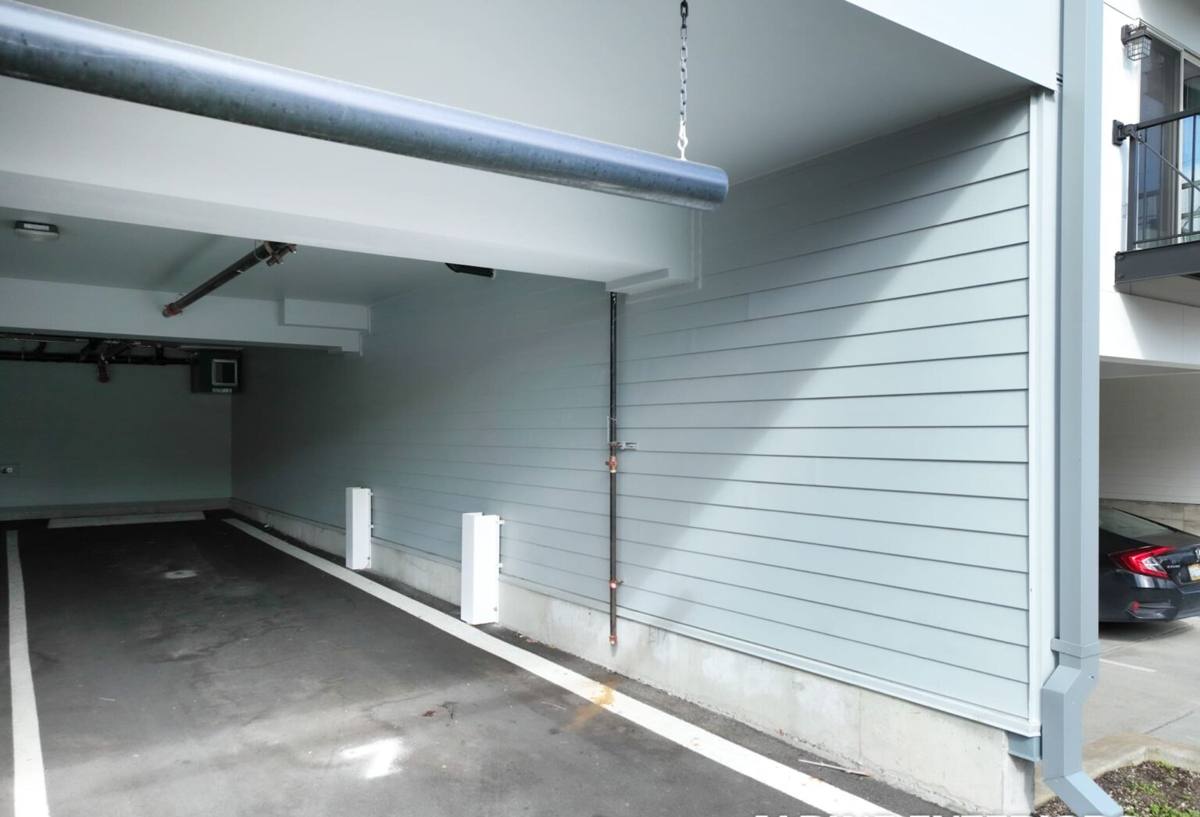
What James Hardie Siding Is Built to Handle
Fiber Cement That Doesn't Feed Moisture Problems
James Hardie siding is fiber cement — a mix of cellulose fiber, sand, and portland cement. It doesn't rot, it doesn't delaminate the way some engineered wood products can when they take on water, and it isn't a food source for the mold and mildew that thrive in a marine climate. That matters directly in a place like Fairhaven, where siding stays damp for extended stretches between rain events.
ColorPlus Finish for Salt Air
We install Hardie's ColorPlus factory-baked finish rather than relying on field-applied paint. It's a multi-coat finish cured onto the board before it ever reaches the job site, which gives it better adhesion and color retention than paint applied on-site under variable weather. In a salt-air environment, finish integrity is what keeps moisture from working into the substrate at cut edges and fastener points over time.
Climate-Engineered HZ Product Lines
James Hardie makes region-specific formulations under its HZ system, engineered for different combinations of moisture exposure and freeze-thaw cycling. For Pacific Northwest coastal and marine-influenced conditions like Fairhaven's, we specify the product line built for high-moisture climates rather than a generic national spec. It's a small distinction on paper that has a real effect on how the siding performs over a 20-plus year service life.
The Moss Problem, and Why It's an Installation Issue First
Homeowners in this area often treat moss and algae growth as a cleaning problem. It's usually an installation problem. Moss needs sustained moisture and organic material to establish itself, and siding that's installed tight to the wall with poor drainage behind it holds exactly that kind of moisture. Correctly detailed siding sheds water fast and lets any moisture that does get behind the cladding dry out before it becomes a growth medium.
What Actually Slows Moss Down
- A drainable rainscreen gap behind the siding so bulk water and vapor can escape instead of sitting against the wall
- Correct board-to-board and butt-joint spacing per Hardie's fastening specs, so water isn't trapped at seams
- Proper flashing and kickout details at every roof-to-wall intersection, window head, and deck ledger
- Adequate ground clearance at the base of the wall so splash-back and standing moisture don't stay in contact with the siding
- Shaded, north-facing, or tree-covered elevations detailed with the same care as sun-exposed walls, since those are where moss establishes first
Hardie board itself won't rot from moss and algae sitting on it the way wood-based siding can, but neglected buildup still traps moisture against trim, fasteners, and paint, and it's simply unattractive on a home people are paying to maintain. Good installation keeps growth from getting a foothold in the first place.
What a Correct Fairhaven Installation Involves
Prep and Water Management Behind the Cladding
The siding itself is only part of the system. Before any board goes up, we address the weather-resistive barrier, window and door flashing, and the drainage plane behind the cladding. This is the layer that actually keeps a home dry — the siding sheds the majority of the water, but the assembly behind it has to manage whatever gets past that first line of defense.
Fastening and Joint Detail
James Hardie publishes exact fastener type, spacing, and penetration specs, along with minimum clearances at grade, roofs, decks, and dissimilar materials. These aren't suggestions — they're what the manufacturer's warranty is conditioned on, and they're also what determines whether the finished wall actually performs in wind-driven rain. Cutting corners here doesn't show up as a problem on install day; it shows up two or three wet seasons later.
Cut-Edge and Field Touch-Up
Every field cut exposes raw fiber cement that needs to be sealed with Hardie-approved touch-up product before it's closed in. Skipping this step is one of the most common shortcuts we see on inspections of other contractors' work, and it's exactly the kind of detail that lets moisture into the board at the edges first.
Our Process on a Fairhaven Job
- Walk-through and assessment — we look at existing siding, trim, flashing, and any signs of moisture or moss buildup before quoting anything
- Product and profile selection — lap width, panel style, and trim profile matched to the home and to Hardie's marine-climate HZ specification
- Color and finish selection — from the ColorPlus factory palette, chosen with the home's exposure and sun/shade pattern in mind
- Tear-off and substrate check — old siding comes off and we inspect sheathing for hidden water damage before it's covered again
- Water management install — weather-resistive barrier, flashing, and rainscreen detailing done to spec, not skipped to save time
- Siding, trim, and fastening — installed to Hardie's published fastener and clearance requirements
- Final inspection and cleanup — site walk with the homeowner before we call the job finished
Cost Factors on a Fairhaven Siding Project
Every home is different, but these are the variables that most often move a Fairhaven James Hardie project up or down in scope and price:
| Factor | Why It Matters in Fairhaven |
|---|---|
| Existing wall condition | Homes with hidden moisture damage from prior siding may need sheathing repair before new siding goes on |
| Siding profile and trim complexity | Multiple gable ends, dormers, and trim details take more labor and material than a simple rectangular wall |
| Rainscreen and drainage upgrades | Adding or improving a drainage gap behind the siding is what actually reduces moss and moisture issues long-term |
| Elevation exposure | Shaded, north-facing, or tree-covered walls often need extra flashing and clearance attention to control moss |
| Color selection | Standard ColorPlus colors are priced differently than premium or custom-matched finishes |
Why a Crew That Already Works This Area Matters
A siding installer who works Whatcom County's marine-influenced neighborhoods regularly already knows how the wind-driven rain moves across a wall, which elevations hold moss longest, and where flashing tends to fail on homes built to older or more generic specs. That's not something you can fully substitute with a general contractor doing a one-off job in the area. Our crew is based out of Sudden Valley and works Fairhaven and the surrounding Bellingham Bay-adjacent neighborhoods on a regular basis, so the climate considerations above aren't theoretical — they're what we plan for on every quote.
We also only install James Hardie products. We don't install vinyl, LP SmartSide, Cemplank, Allura, or unfinished wood siding, and we won't quote them. That's a deliberate standard, not a sales pitch: it lets us specialize in one system, know its specs cold, and stand behind the installation without hedging between multiple product lines with different failure points.
Maintaining Hardie Siding in a Marine Climate
Fiber cement is low-maintenance compared to wood or engineered wood siding, but "low-maintenance" isn't "no-maintenance" in a salt-air, high-moisture environment. A simple annual routine keeps a correctly installed system performing for decades:
- Rinse the exterior once or twice a year with a garden hose and soft brush — avoid pressure washers, which can force water behind boards and trim
- Check caulking at trim joints, window returns, and penetrations annually, and recaulk where it's cracked or pulled away
- Keep gutters clear so overflow doesn't run down the wall face, which is one of the most common causes of localized moss and streaking
- Trim back vegetation and tree cover that keeps a wall section shaded and damp longer than the rest of the house
- Repaint or touch up only with products compatible with the ColorPlus finish, and address any exposed cut edges promptly
Get a Straight Answer for Your Fairhaven Home
If your current siding is showing moss buildup, staining, or soft trim, or you're planning ahead for a replacement, we're glad to take a look and give you a straightforward assessment — what we'd do differently, what it would involve, and what it would cost. There's a free, no-pressure estimate form below whenever you're ready.