 Sudden Valley Siding
 Building a Deck That Actually Holds Up in Edgemoor
A deck in Edgemoor doesn't fail the way a deck fails in a dry climate. It doesn't crack from sun exposure or dry out and split. It rots from the inside out, quietly, in the places you can't see — ledger connections, joist hangers, post bases, and anywhere water sits instead of draining. Whatcom County's combination of salt-tinged air, long stretches of driving rain, and a moss season that can run half the year puts real, sustained moisture load on outdoor wood structures. A deck built to a generic national spec will look fine for a couple of years and then start showing problems that are expensive to fix because they're buried under decking boards.
This page is about what a deck actually needs to hold up here — not a general "how decks work" overview, but the specific choices that matter for a deck built and used in Edgemoor.
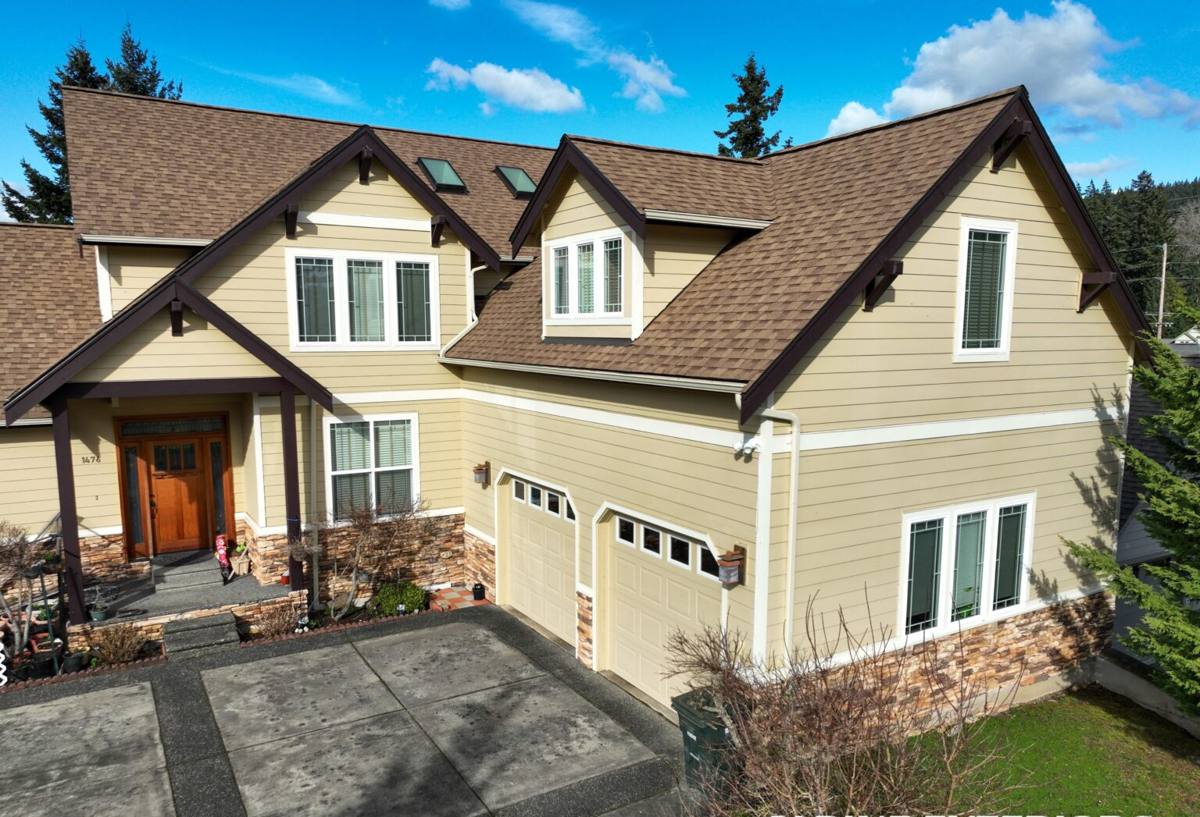
What Local Conditions Do to a Deck Over Time
Moisture that never fully lets up
The problem isn't one big storm — it's the cumulative effect of near-constant dampness. Wood that gets wet and dries out quickly handles moisture fine. Wood that stays damp for days at a time, especially in shaded or poorly ventilated spots, is where rot takes hold. Decks tucked under tree cover or against the north side of a house are especially exposed to this because they never get a real chance to dry between rain events.
Moss and organic growth
Moss doesn't just look bad on a deck surface — it holds moisture against the wood or composite cap, stains the material, and makes boards slippery and dangerous underfoot. On horizontal surfaces with limited airflow or afternoon sun, moss can establish within a single wet season if the deck wasn't built with drainage and gapping in mind.
Salt-influenced air and hardware corrosion
Homes closer to Edgemoor's water-influenced air deal with a slower but serious issue: corrosion of fasteners, connectors, and railing hardware. Standard zinc-coated screws and brackets that are fine inland can start rusting and losing strength years earlier in a salt-air environment. Once a fastener corrodes, it's not just cosmetic — it's a structural weak point holding your deck together.
Decking Material Options for This Climate
There's no single "best" decking material — there's a best material for your budget, your maintenance appetite, and how exposed your specific deck is. Here's how the common options actually perform in Whatcom County conditions:
| Material | How it handles our climate | Maintenance reality |
|---|---|---|
| Pressure-treated lumber | Good rot resistance when properly installed and finished; needs a real gap and drainage plan to avoid trapped moisture | Needs re-sealing or staining every 1–2 years to keep water out of the grain |
| Cedar | Naturally rot- and insect-resistant, ages well in damp air, but softer and more prone to surface wear | Needs regular finish maintenance or it grays and can develop soft spots faster than treated lumber |
| Composite decking | Doesn't rot or absorb moisture the way wood does; resists moss staining better on the surface | Low maintenance, but requires correct ventilation underneath — trapped moisture under composite boards can still damage the framing beneath them |
| Tropical hardwoods | Very dense and naturally durable, handles wet climates well | Higher material cost and requires oiling to maintain color; installation is less forgiving of mistakes |
Whatever surface material you pick, it only performs as well as what's underneath it. We'll walk you through the honest trade-offs for your specific deck rather than pushing one product as a default.
Where Decks in This Area Actually Fail
The decking surface is the part homeowners see, but it's rarely the part that fails first. The structural components underneath do the real work of keeping moisture out — or letting it in.
- Ledger board attachment: where the deck connects to the house is the single most common point of hidden rot if flashing wasn't installed correctly at the time of build.
- Joist hangers and connectors: corrosion-resistant hardware matters more here than in drier regions — this is not a place to save money with standard-grade fasteners.
- Post bases: posts set directly into or too close to soil or concrete without a proper standoff base will wick moisture upward for years.
- Beam and joist spacing: undersized framing doesn't fail immediately, but it flexes over time, opens gaps at fastener points, and lets water in where it shouldn't be.
- Airflow underneath: low-clearance decks with no ventilation trap humid air against the framing, which is exactly the environment rot needs.
A deck that looks identical from the top can be built two very different ways underneath — one that will still be sound in fifteen years, and one that will need structural repair in five.
Railings, Fasteners, and Hardware
Hardware is where a lot of decks quietly lose their structural integrity long before the wood does. In a marine-influenced climate, we treat fastener and connector selection as a real spec decision, not an afterthought:
- Stainless steel or high-grade coated fasteners for any hardware exposed to weather, especially near ground level or on decks closer to open air/water exposure
- Corrosion-resistant joist hangers and structural connectors rated for exterior, ground-contact use
- Railing hardware selected to match the metal type of the railing itself, to avoid galvanic corrosion between dissimilar metals
- Concealed fastening systems on composite decking, which also reduces the number of penetration points where water can get into the board
Cheaper hardware might save a few hundred dollars on a project, but it's usually the first thing to fail — and by the time it fails, it's hidden under the decking and hard to inspect without pulling boards.
Permitting and Building to Code in Whatcom County
Most new decks and significant deck rebuilds in Whatcom County require a permit, particularly when the deck is attached to the house, elevated above a certain height, or includes a roof or covered structure. Requirements can vary depending on your specific lot, HOA rules if applicable in your neighborhood, and the scope of the project. Rather than guessing at what applies to your property, we handle the permitting conversation as part of the process so the deck is built to code from the start — not something that has to be corrected or re-inspected later.
How We Build Decks in Edgemoor
Our process is built around the fact that most deck problems in this climate come from decisions made before the first decking board goes down. Here's what that looks like in practice:
- On-site assessment: we look at sun exposure, drainage patterns, existing moss or moisture issues, and how the deck will actually be used before recommending materials.
- Framing designed for drainage and airflow: proper slope, joist spacing, and clearance underneath so water moves off and out instead of pooling.
- Correct ledger flashing: the house-to-deck connection is sealed and flashed to keep water from getting behind the siding or into the rim joist.
- Corrosion-resistant hardware throughout: not just at the connections that are easy to inspect, but everywhere moisture can reach.
- Material selection matched to the site: a deck under tree cover gets a different recommendation than one in open sun, even on the same street.
- Clean, code-compliant finish work: railings, stairs, and fastening details done to spec, not just to pass a quick glance.
Quick checklist if you're evaluating any contractor for deck work in this area, including us:
- Do they specify hardware grade, or just say "we use good screws"?
- Do they talk about ledger flashing and ventilation, or just decking material?
- Do they handle the permit process or leave that entirely to you?
- Can they explain why they'd choose one decking material over another for your specific site?
- Do they warranty their workmanship separately from the manufacturer's material warranty?
Keeping a Deck Sound After It's Built
Even a well-built deck needs some seasonal attention here. Clearing debris and standing moisture off the surface before the wet season sets in, keeping gutters and downspouts near the deck clear so runoff isn't dumping onto it, and addressing moss growth early before it stains or degrades the surface all go a long way. Wood decks need periodic resealing; composite decks need occasional cleaning to keep organic growth from taking hold on the surface. None of this is complicated, but skipping it for a few years is usually where deferred maintenance turns into a real repair bill.
Why Hire a Crew That Already Works in Edgemoor
A deck builder who works across a lot of different regions will build to a general spec because that's what's efficient for them. A crew that works Edgemoor and the broader Sudden Valley area regularly knows which sites need extra attention to drainage, which spots hold moss longer into the season, and which hardware choices actually hold up here versus what fails early. That local pattern recognition is the difference between a deck that needs attention again in a few years and one that's still solid well past that point.
If you're planning a new deck or need an honest look at an existing one, we're happy to come take a look and give you a straightforward, no-pressure estimate — just fill out the form below.