 Sudden Valley Siding
 Building a Deck That Can Handle a Sunnyland Winter
A deck in Sunnyland has to earn its keep every month of the year, not just the handful of dry weeks in July and August. Whatcom County's mix of driving rain, damp marine air, and a moss season that can stretch from October into May puts real stress on outdoor structures. Wood that isn't detailed correctly cups, splinters, and grows moss in the shade of a fence line. Fasteners that aren't rated for the environment streak and weaken. Ledger connections that weren't flashed properly let water into the house framing where nobody sees it until there's a problem. None of that is inevitable — it's a function of how the deck was designed and built in the first place.
This page covers what a custom deck actually needs to hold up in this specific climate, what our process looks like from first call to final walkthrough, and why local build experience matters more here than it does in a drier part of the state.
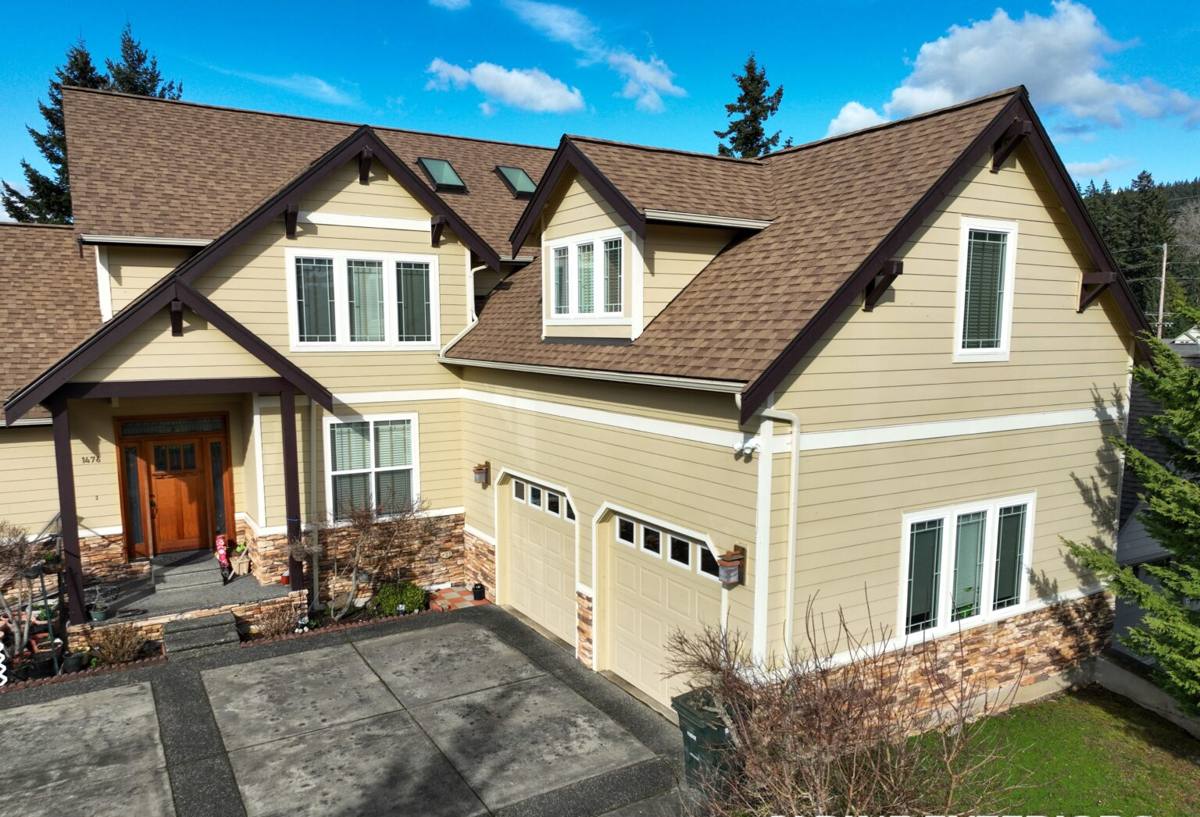
What Correct Deck Construction Looks Like Here
Footings Sized for Wet, Variable Soil
Whatcom County soils range from well-drained glacial till to heavier clay pockets that hold water. Footings need to be sized and set to the depth required for frost and bearing in the specific soil on your lot, not a generic minimum. On a sloped Sunnyland lot, that can mean stepped footings or additional post supports that a cookie-cutter deck plan won't account for. Guessing on footing depth is the single most common shortcut we see on decks that end up sagging or heaving within a few years.
Ledger Board Flashing
Where a deck attaches to the house, the ledger board is the single highest-risk point for hidden water damage. Correct practice is metal flashing integrated with the house's existing water-resistive barrier, a gap or drainage plane behind the ledger, and corrosion-resistant lag bolts or through-bolts — never nails. In a climate with this much annual rainfall, a poorly flashed ledger doesn't fail dramatically; it rots quietly behind the siding for years before anyone notices soft framing.
Joist Protection
Even pressure-treated joists benefit from a joist tape or cap over the top edge, which is where end grain and fastener penetrations sit exposed to standing moisture. It's a small material cost that meaningfully extends framing life in a wet climate, and it's the kind of detail that separates a deck built to last from one built to pass a quick inspection.
Choosing the Right Decking Material for This Climate
Every decking material handles moisture, moss, and salt-tinged marine air differently. There's no single right answer for every homeowner — it depends on your budget, how much upkeep you want to do, and how the deck is oriented relative to sun and shade.
| Material | Moisture & Moss Behavior | Maintenance | Typical Lifespan |
|---|---|---|---|
| Pressure-treated wood | Absorbs water, needs sealing to resist moss and graying | Annual cleaning and re-sealing recommended | 15-20 years with upkeep |
| Cedar | Naturally rot- and insect-resistant but still needs finish upkeep in shade | Periodic cleaning and oil/sealant | 15-25 years with upkeep |
| Composite decking | Doesn't absorb water like wood; shaded areas still need occasional cleaning to prevent surface moss/algae | Low — periodic washing, no sealing | 25-30+ years, manufacturer-dependent |
| PVC decking | Fully moisture-resistant, best choice for deeply shaded or damp spots | Lowest — occasional washing | 25-30+ years, manufacturer-dependent |
In deeply shaded yards or lots with a lot of tree cover — common around Sudden Valley — composite or PVC decking earns its higher upfront cost by resisting the moss and algae that build up on wood in shaded, damp spots. On sunnier, more open lots, a well-finished cedar or treated wood deck can perform just fine if you're willing to keep up with sealing on a regular schedule. We'll walk your specific lot with you and give you an honest read on which material fits before you commit to one.
Fasteners and Hardware That Won't Let You Down
Marine air carries salt and moisture that accelerates corrosion in standard fasteners. On a deck, that shows up as rust streaking down the boards, weakened connections at joist hangers, and eventually loose railings. We use fasteners and structural connectors rated for exterior and coastal-adjacent exposure — typically hot-dip galvanized or stainless steel, matched to the decking material's chemical treatment so the hardware and the wood don't react with each other. This is a detail that's invisible on install day and very visible five years later if it's skipped.
Stopping Moss and Standing Water Before They Start
Moss doesn't grow because a homeowner didn't clean often enough — it grows because water and organic debris had somewhere to sit. A correctly built deck fights moss through design, not just maintenance.
Board Spacing and Airflow
Decking boards need consistent gapping to let water drain through and air move underneath. Boards installed too tight trap moisture and debris between them, which is exactly where moss and algae take hold first.
Grading and Under-Deck Drainage
The ground under a low deck needs to be graded so water moves away from the house foundation, not toward it. For decks used as covered space below — over a patio or walkout basement door, for example — an under-deck drainage system channels water off the joists and out to a discharge point instead of letting it drip straight down for months at a time.
Keeping Debris Off the Deck
Overhanging trees and shrubs that shade a deck also drop needles and leaves that hold moisture against the boards. Part of doing this job right is talking through deck placement and clearance with you at the design stage, not just building where you point.
Railings, Stairs, and Local Code
Railing height, baluster spacing, stair rise and run, and guard requirements are all governed by building code, and elevated decks in Whatcom County require a permit before work starts. We handle the permit application and inspection scheduling as part of the job so you're not left figuring out county requirements on your own. Skipping the permit step might save a little time up front, but it creates real problems later — at resale, with insurance, or if there's ever a safety incident on an unpermitted structure.
Our Process for a Sunnyland Deck Project
- Site visit and design consultation — we walk the lot, talk through how you'll use the space, and assess drainage, slope, and sun/shade exposure.
- Material and layout recommendation — an honest rundown of material options for your specific conditions and budget, not a one-size-fits-all pitch.
- Permitting — we prepare and submit the permit application and coordinate required inspections.
- Footings and framing — footings set to proper depth for your soil, ledger flashed correctly, joists protected.
- Decking, railing, and stairs — installed with corrosion-resistant fasteners and code-compliant spacing throughout.
- Final walkthrough — we go over the finished deck with you, including a straightforward maintenance rundown for the material you chose.
Keeping Your Deck Looking Good Through Moss Season
Whatever material you choose, a little seasonal attention goes a long way in this climate. A simple annual routine keeps most problems from ever starting:
- Sweep leaves and needles off the deck regularly in fall, especially in shaded corners
- Rinse the surface a few times a year to keep organic buildup from taking hold
- Check for moss at board gaps and railing bases before it spreads
- Inspect fasteners and hardware annually for rust streaking or looseness
- Re-seal wood decking on the schedule recommended for your specific product
- Keep gutters and downspouts near the deck clear so runoff isn't draining onto it
- Trim back overhanging branches to improve sun exposure and airflow
Why Hiring a Crew That Already Works in Sunnyland Matters
Building a deck correctly for this climate isn't about following a national how-to guide — it's about knowing how this specific area's rain patterns, soil, tree cover, and shade actually behave across the seasons. A crew that already works around Sudden Valley has seen which details fail first on decks in this area and builds to avoid them from day one, instead of learning the hard way on your project. We're not guessing at frost depth or flashing details from a manual written for a different climate — we're applying what actually holds up here.
If you're planning a new deck or replacing one that's showing its age, we'd be glad to take a look and give you a straightforward, no-pressure estimate. Fill out the form below and we'll set up a time to walk the site with you.