 Sudden Valley Siding
 Storm Damage Roof Repair Built for Alger's Climate
Alger sits close enough to the water and the foothills that its roofs take a different kind of beating than homes twenty miles inland. Winter storms roll through with sideways rain, gusts strong enough to lift shingle tabs, and long stretches of gray, damp weather that never quite dries the roof out between systems. Add salt-laced air off the Sound and a moss season that can run eight months of the year, and you've got a roof that's working harder than most homeowners realize. Storm damage repair here isn't just patching a hole after a bad night of wind — it's understanding how this specific combination of weather stresses a roof over time and repairing it in a way that holds up to the next round.
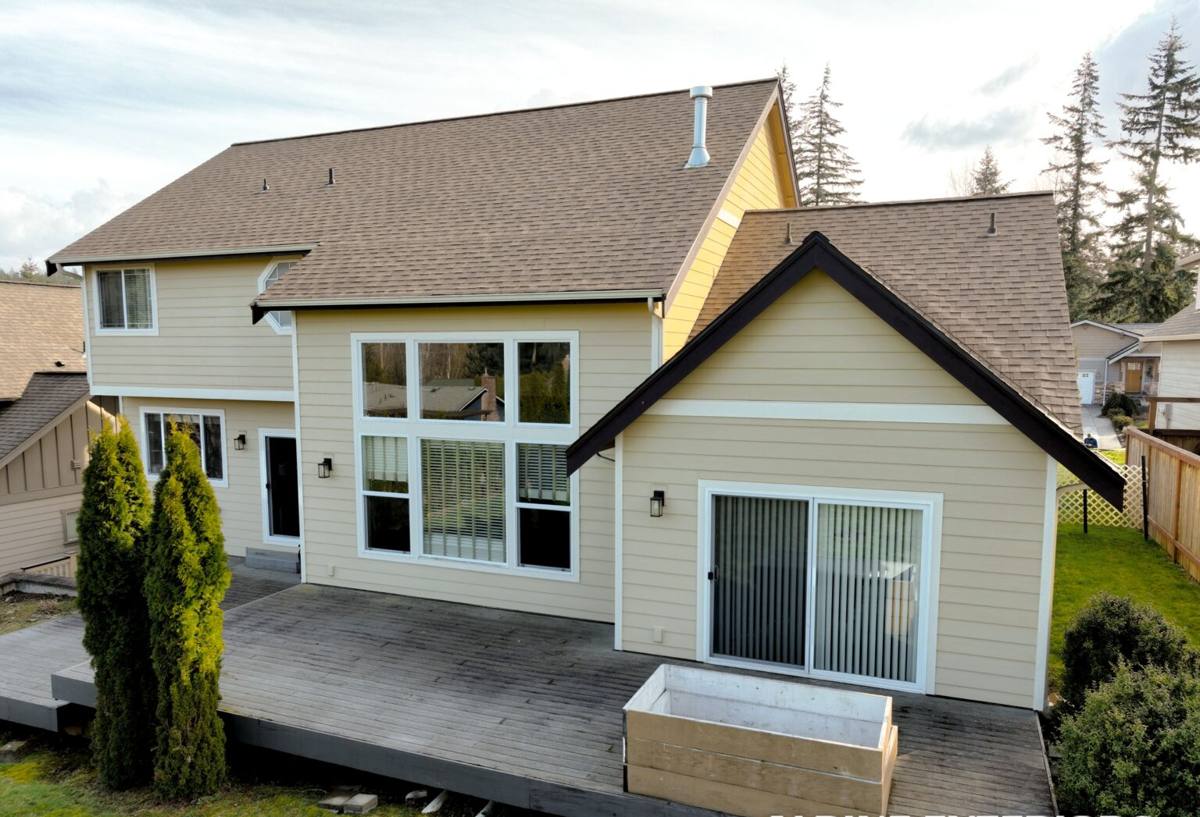
Why Alger Roofs Take Extra Punishment
Three things stack on top of each other in this part of Whatcom County, and each one makes the others worse.
Driving Rain and Wind
Storms here rarely come straight down. Wind-driven rain gets pushed sideways and up under shingle edges, around flashing, and into any gap that a calmer rain would never reach. A roof that would shed water fine in a still downpour can leak in a windstorm through the exact same spot, because the water is being forced uphill against gravity for a few seconds at a time.
Salt Air and Corrosion
Proximity to the water means metal components — flashing, fasteners, vent boots with metal collars, gutter hardware — corrode faster than they would inland. Corrosion doesn't announce itself with a leak on day one; it weakens metal slowly until a normal storm finally finds the failure point.
Moss and Moisture Retention
Shaded, north-facing slopes and roofs under tree cover stay damp for days after a storm passes. That moisture supports moss and algae growth, and moss does real physical damage: it lifts shingle edges as it grows, holds water against the roof deck, and works its way into fastener holes. A roof with active moss growth is already primed to fail sooner in the next windstorm than a clean one.
What Storm Damage Actually Looks Like
Storm damage is rarely as obvious as a missing shingle in the yard. More often it's subtle enough that homeowners don't notice until a stain shows up on a ceiling weeks later. Here's what we actually find during post-storm inspections in this area:
- Shingle tabs lifted or creased by wind, but not fully torn off — these look intact from the ground but no longer seal properly
- Granule loss on the roof slope facing the prevailing wind, thinning the shingle's UV and weather protection
- Flashing pulled loose or bent at chimneys, skylights, and roof-to-wall transitions
- Nail pops where wind flex has backed fasteners out of the deck
- Cracked or dislodged ridge cap shingles along the roof's peak
- Moss-lifted shingle edges that created an entry point during the storm, even though the moss itself predates the weather event
- Debris impact damage from branches or wind-blown material
- Gutter and downspout separation that redirects water back toward the fascia and roof edge
Some of these are cosmetic. Others are active leak points. Telling the difference — and knowing which ones will turn into the other kind if left alone — is most of what a proper storm damage inspection is for.
The Cost of Waiting
A lifted shingle tab or a bent piece of flashing doesn't always leak the day the storm passes. Water finds its way in gradually, often traveling along the underlayment or roof deck before it shows up as a stain inside the house. By the time a homeowner sees a ceiling spot, the leak has usually been active for weeks. In our marine climate, that delay matters more than it would somewhere dry — the roof deck stays damp longer, wood rot sets in faster, and insulation that gets wet loses most of its effectiveness even after it dries. A repair that would have taken an afternoon right after the storm can turn into a deck replacement and insulation job a month later.
What a Correct Storm Damage Repair Involves
Storm repair done right isn't just swapping out the shingles that are obviously missing. A proper repair addresses the full chain of what failed and why.
Full Slope Inspection, Not Spot-Checking
Wind damage often extends beyond the spot a homeowner can see from the ground. We check the whole roof plane the storm affected, not just the area near the reported leak, because wind uplift damage tends to cluster in patterns tied to roof geometry — near ridges, edges, and valleys — rather than staying in one isolated area.
Underlayment and Deck Check
If water got past the shingle layer, the underlayment and roof deck underneath need to be checked for saturation or soft spots before new shingles go back down. Covering a wet deck with new shingles just traps the moisture and guarantees a repeat problem.
Flashing Repair or Replacement
Flashing is where a large share of storm leaks originate, especially around chimneys, skylights, and wall intersections. We re-seat or replace flashing rather than just re-sealing it with caulk, since caulk is a short-term fix on a component that's supposed to shed water mechanically.
Matching Materials
Where full replacement isn't warranted, we match shingle type, color, and where possible age-weathering as closely as the market allows, so a repair doesn't stand out as a patch for years afterward.
Moss and Debris Cleanup
If moss contributed to the failure point, we address it as part of the repair — not as an upsell, but because leaving it means the same spot fails again the next wet season.
Our Process, Start to Finish
- Inspection and documentation. We walk the roof, photograph the damage, and identify every affected area — not just the spot that prompted the call.
- Temporary protection if needed. If there's an active leak or exposed deck, we get it covered and weather-tight the same visit before anything else happens.
- Written scope and estimate. You get a clear breakdown of what's damaged, what repair option addresses it, and what it costs — no vague line items.
- Insurance coordination if applicable. If the damage is being filed as a claim, we provide documentation that matches what adjusters need to see and can walk the property with them if requested.
- Repair work. Flashing, decking, underlayment, and shingle work performed in the right order so nothing gets sealed over a problem that's still there.
- Final walkthrough. We show you what was done and what to watch for, particularly if part of the roof is aging and likely to need attention again before a full replacement is due.
Repair vs. Replacement: How to Think About It
Not every storm-damaged roof needs to come off. The right call depends on the roof's age, how widespread the damage is, and what condition the rest of it was in before the storm hit.
| Factor | Leans Toward Repair | Leans Toward Replacement |
|---|---|---|
| Roof age | Under 12–15 years, otherwise in good shape | Nearing or past typical shingle lifespan |
| Extent of damage | Isolated to one slope or a handful of spots | Spread across multiple slopes or the whole roof |
| Underlying deck condition | Dry, solid, no rot found | Soft spots, rot, or repeated past water intrusion |
| Moss/algae history | Minor, cleanable, not yet structural | Long-term growth that's already degraded shingles broadly |
| Shingle match availability | Close match still on the market | Discontinued product, patch would be visibly mismatched |
We'll give you a straight answer on which category your roof falls into, including when a repair is the honest and reasonable choice — we don't push replacement on a roof that doesn't need it.
Insurance Claims After a Storm
Many storm-related roof repairs in this area do end up going through homeowner's insurance, particularly when a specific windstorm or falling debris caused identifiable damage. The distinction adjusters look for is whether the damage came from a discrete weather event or represents gradual wear — moss damage that's been building for years, for instance, is typically treated differently than a shingle blown off in a documented windstorm. We document damage in a way that's useful for that conversation, but we're not a public adjuster — our job is giving you an accurate, well-documented picture of the roof's condition so you can have that conversation from a position of knowing exactly what's wrong.
Why a Crew That Already Works Alger Matters
Roofing generally is a trade where local experience shows up in the details. A crew that regularly works roofs in and around Sudden Valley and Alger already knows which roof styles and orientations in this area tend to hold moss longest, which flashing details fail first in wind-driven rain, and roughly what condition to expect on a roof of a given age given the salt air and moisture exposure here. That's not something you get from a general knowledge of roofing — it comes from having been on enough local roofs to recognize the patterns. It also means faster response after a storm, since we're not driving in from somewhere out of the area to look at damage that may need a same-week fix.
Signs You Should Have Your Roof Checked After a Storm
- Any new ceiling stains, even small or faint ones
- Shingle pieces or granules found in the yard or gutters after high wind
- Visible gaps or lifted edges when looking at the roof from the ground
- A sudden increase in attic moisture or a musty smell in upper rooms
- Gutters pulling away from the fascia or overflowing during rain
- Daylight visible through the attic roof deck in bright conditions
- Moss or algae patches that appeared or expanded noticeably after a wet stretch
None of these guarantee active damage on their own, but any one of them is worth a look before the next storm system tests the same spot again.
Get a Straight Answer on Your Roof
If a recent storm has you wondering whether your roof came through it okay, or you've noticed something that doesn't look right, we're happy to take a look and give you an honest read on what you're dealing with. There's no pressure and no obligation — just a clear picture of what's going on and what your options are. Fill out the form below to schedule a free estimate.