 Sudden Valley Siding
 Building Decks for Sunnyland's Climate
Sunnyland sits close enough to Bellingham Bay and the broader Whatcom County coastline that decks here take a different kind of beating than decks built forty miles inland. Salt-laden air corrodes unprotected metal faster than most homeowners expect, driving rain finds its way into every seam that isn't properly flashed, and the long, wet moss season coats horizontal wood surfaces with a slick, spore-bearing film for a good chunk of the year. None of this is exotic — it's just the normal cost of building outdoors in this part of Washington. A deck built without accounting for it will look fine for a season or two, then start showing rot at the ledger, rust streaks at the fasteners, and green film underfoot by the second winter.
We build decks specifically with these three factors in mind: corrosion-resistant hardware, real drainage and flashing details, and material choices that don't turn into a maintenance chore the moment moss season starts. That's the whole difference between a deck that lasts fifteen years and one that needs major repair by year five.
What Sunnyland Homes Actually Need From a Deck
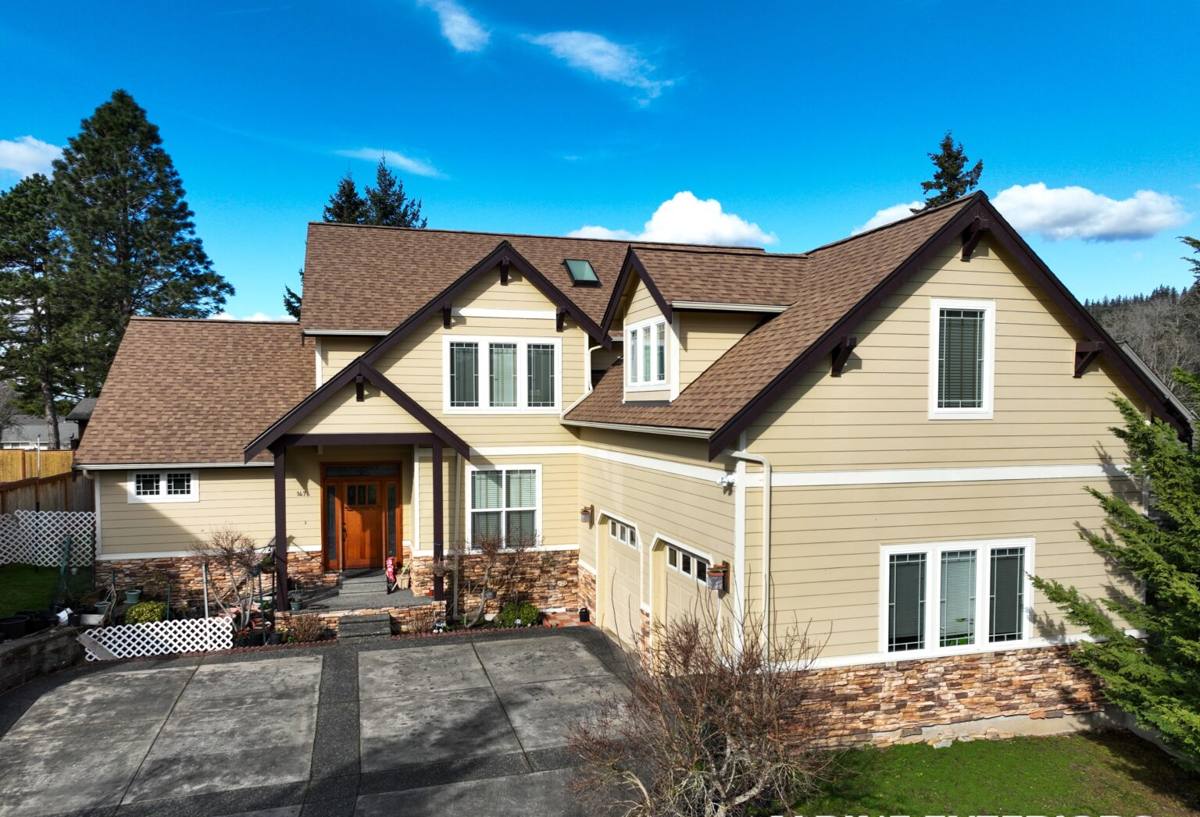
Sunnyland's mix of older established homes and newer construction means we see a wide range of existing conditions — mature tree canopy that keeps decks shaded and damp longer into the day, sloped lots that complicate footing depth and drainage, and a fair number of homes where the original deck was never designed for the site's actual moisture load. Before we talk materials or budget, we look at:
- How much direct sun the deck surface gets, and for how many hours a day
- Whether nearby trees or shrubs will drop debris that traps moisture against the boards
- The slope and drainage path around the proposed footing locations
- The condition of the wall the deck will attach to, if it's an addition to an existing structure
- Prevailing wind and rain direction, which affects how much water actually lands on and under the deck surface
These aren't checkbox items — they change real decisions, like joist spacing, board orientation, and how aggressive the under-deck drainage and ventilation needs to be.
Shade, Moss, and Board Orientation
On heavily shaded lots, we'll often orient decking boards to shed water toward the low side fastest, and we widen gapping slightly to encourage airflow underneath. It's a small detail, but on a shaded Sunnyland lot it's the difference between a deck that dries out between rain events and one that stays damp long enough for moss and algae to take hold.
Decking Material Options
Pressure-Treated and Cedar
Pressure-treated fir or hem-fir is still the most economical decking option and holds up reasonably well if it's finished and re-sealed on a regular schedule — something a lot of homeowners underestimate the discipline required for in a climate this wet. Western red cedar looks better naturally and resists rot on its own merits, but it's softer, dents more easily, and still needs periodic finish maintenance to keep its color and shed water well.
Composite and PVC Decking
Composite and cellular PVC boards cost more up front but don't require staining or sealing, and most modern composites resist moss and mildew better than wood simply because they don't hold moisture the same way. The trade-off is heat retention in direct sun (less of a concern under Sunnyland's tree cover) and the fact that repairs mean replacing a board rather than sanding and refinishing a spot.
Why We Don't Push the Cheapest Composite Lines
Not all composite decking is built the same. Early-generation and budget composite products can absorb moisture at cut ends and fastener penetrations if they aren't properly capped or sealed, which matters a great deal in a climate that stays wet for months at a stretch. We install fully-capped composite or PVC products and detail every cut end, because an uncapped edge in Whatcom County's rain season is an invitation for exactly the swelling and mold staining composite is supposed to avoid.
| Material | Upfront Cost | Moss/Moisture Resistance | Maintenance |
|---|---|---|---|
| Pressure-treated wood | Lowest | Fair — needs sealing | Annual cleaning, re-seal every 2-3 years |
| Western red cedar | Moderate | Good naturally, fair once weathered | Cleaning + finish every 2-4 years |
| Capped composite/PVC | Highest | Very good | Periodic wash, no sealing |
Structural Considerations: Framing, Footings, and the Ledger
The parts of a deck nobody sees are the parts that fail first in this climate. Three details matter more here than in a dry-climate build:
Ledger Board Flashing
Where a deck attaches to the house, the ledger board has to be flashed so water is directed out and away from the house sheathing, not trapped behind the board. This is the single most common failure point we find on older decks in the area — a ledger bolted straight to the siding with no flashing, quietly rotting the rim joist behind it for years before anyone notices.
Footings and Frost Depth
Footings need to be poured to proper frost depth and sized for the soil conditions on the specific lot, which vary more than people expect across Sudden Valley's mix of sloped and level lots. We don't shortcut footing depth to save a half-day of digging.
Fasteners and Framing Hardware
Salt air and near-constant moisture corrode standard galvanized hardware faster than in drier inland climates. We use stainless steel or high-grade coated fasteners and structural connectors rated for exterior, coastal-adjacent exposure, and we use joist tape on top of all framing lumber to keep water from wicking into end grain and fastener holes.
Railings and Hardware That Hold Up
Railing posts and hardware take direct weather exposure with no decking above to shield them, so this is where cheap fasteners fail visibly first — rust streaks bleeding down a post or a baluster bracket seizing up. We spec stainless or coated hardware for all railing connections and use post bases that shed water rather than trap it against the wood or composite post base.
Our Deck Building Process
Site Assessment and Design
We walk the site, assess drainage and sun exposure, and talk through material options against your budget honestly — including telling you when a cheaper material will cost more in five years of upkeep than a pricier one costs today.
Permitting
Most new decks and significant deck replacements in Whatcom County require a permit, particularly for structures attached to the house or built above a certain height. We handle the permit application and inspection scheduling as part of the job.
Construction
Footings, framing, ledger flashing, decking, and railings — built in that order with inspections at the framing stage before decking goes down, so any structural issue is caught while it's still easy to fix.
Final Walkthrough
We walk the finished deck with you, cover basic care for whatever material you chose, and make sure you know what a normal maintenance schedule looks like before we leave.
Living With a Deck Through Moss Season
No deck material is entirely maintenance-free in this climate — some just require less. A short seasonal routine keeps any deck safe and good-looking through the wet months:
- Sweep debris off the deck surface regularly in fall to prevent trapped moisture under leaves
- Wash the deck surface at least once a year with a deck-safe cleaner to remove early moss and algae growth
- Check and re-seal wood decking on schedule — don't wait until it's visibly gray and dry
- Keep gutters and downspouts near the deck clear so overflow doesn't dump directly onto the structure
- Inspect railing posts and fastener heads yearly for early rust staining, which is easier to address early than after it spreads
- Trim back overhanging branches that keep sections of the deck shaded and damp longer than the rest
Deck Building Cost Factors
Every deck is priced around its own footprint, framing complexity, and material choice, but a few factors move the number more than homeowners expect:
| Factor | Why It Matters |
|---|---|
| Height above grade / stairs | More framing, railings, and code requirements |
| Attached vs. freestanding | Attached decks need ledger flashing and structural tie-in work |
| Footing count and depth | Sloped or poor-draining lots need more or deeper footings |
| Decking material | Composite/PVC costs more upfront, less in long-term upkeep |
| Railing style | Cable, glass, and custom railings add labor and material cost |
We give straightforward, itemized numbers rather than a single lump figure, so you can see exactly what's driving the cost and where there's room to adjust if the budget needs it.
Why Hire a Crew That Already Works Sunnyland
A deck built to a generic, dry-climate standard is a deck that starts failing early here. Knowing which lots in the area tend to hold moisture, which sun and shade patterns actually shorten a deck's life, and which hardware genuinely holds up through a Whatcom County winter isn't something you get from a national franchise crew passing through — it comes from building and maintaining decks in this specific climate season after season. That local knowledge shows up in details you won't see until year three or four, which is exactly when a poorly built deck starts to.
If you're planning a new deck or replacing one that's showing its age, we'd be glad to take a look and give you a straightforward, no-pressure estimate — just fill out the form below.