 Sudden Valley Siding
 Why Ferndale Roofs Take a Different Kind of Beating
Ferndale sits close enough to the water that salt-laden air is a real factor in how roofing materials age here, and far enough into Whatcom County's wet-side weather pattern that driving, wind-pushed rain is a regular winter visitor rather than an occasional event. Add in the tree cover that shades much of the area and you get long stretches of the year where roofs stay damp, which is exactly what moss needs to take hold. None of these things individually destroy a roof overnight. Together, over years, they wear down flashing, loosen shingle tabs, and open up small gaps that a hard storm turns into an active leak.
Storm damage repair in this area isn't just about patching what a windstorm ripped off. It's about recognizing that the storm usually exposed a weak point that salt air, moisture, and moss had already been working on. A repair that only addresses the visible damage and ignores that groundwork tends to fail again at the next storm.
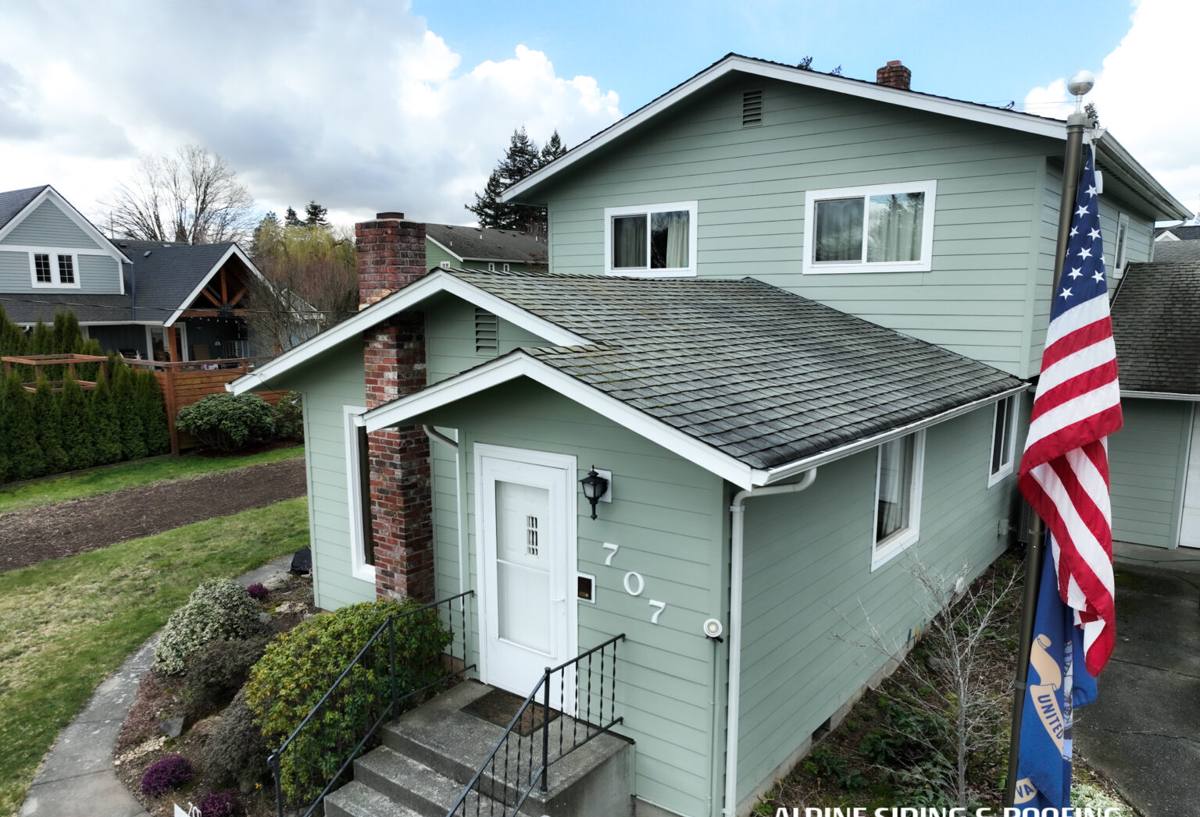
What Actually Counts as Storm Damage on a Ferndale Roof
Wind Damage
Sustained coastal wind and the gusts that come through ahead of a frontal system can lift shingle tabs, crease them, or tear them off completely. Older shingles with sun-brittled or moss-weakened adhesive strips are especially vulnerable — the sealant has already lost its grip, so it takes less wind than you'd expect to peel a section loose.
Wind-Driven Rain
Vertical rain rarely causes leaks on a roof that's in decent shape. It's the horizontal, wind-driven rain common to Pacific storms that gets under lifted shingle edges, around loose flashing, and into any gap that would otherwise stay dry. This is why a roof can leak during one storm and seem fine in a normal downpour a week later — it's not the volume of water, it's the angle and pressure.
Moss, Debris, and Impact Damage
Moss mats hold moisture against the shingle surface long after a storm passes, which accelerates granule loss and shortens the life of the roofing underneath. Storms also bring down branches and debris that can crack shingles, dent metal flashing, or clog valleys and gutters right when the roof needs to shed water fastest.
What a Correct Storm Damage Repair Actually Involves
A repair that holds up through the next storm season starts with an inspection that goes beyond the obvious missing shingles.
- A ground-level and roof-surface check for lifted, cracked, or missing shingles, not just in the damaged area but across the whole roof plane
- An attic or interior check for water staining, damp insulation, or daylight showing through the decking
- Inspection of all flashing points — chimneys, vent stacks, skylights, wall-to-roof transitions — since these are the most common places wind-driven rain gets in
- A check of the decking underneath the damaged shingles for soft spots, delamination, or rot before any new material goes down
- A look at moss coverage and roof ventilation, since both affect how fast the repaired area will age compared to the rest of the roof
Skipping the decking check is the most common shortcut in storm repair, and it's the one that causes the most repeat calls. Nailing new shingles over compromised decking looks fine for a season and then fails again, usually in the next significant storm.
Repair vs. Replacement: How We Make That Call
Not every storm-damaged roof needs to come off. The decision comes down to how much of the roof is affected, how old the existing roofing is, and what condition the decking is in underneath the damage.
| Factor | Points Toward Repair | Points Toward Replacement |
|---|---|---|
| Extent of damage | Isolated section, single slope, or one storm event | Multiple slopes, widespread lifted or missing shingles |
| Age of roof | Roof is under roughly two-thirds of its expected lifespan | Roof is already near or past its expected service life |
| Decking condition | Solid, dry decking under the damaged area | Soft, delaminated, or repeatedly wet decking |
| Moss history | Light, manageable moss with good ventilation | Heavy, long-term moss growth that's degraded granules broadly |
| Material availability | Matching shingles still produced or readily sourced | Discontinued product, noticeable color/texture mismatch |
Cost follows the same logic. A contained flashing or shingle repair after a wind event is a modest expense — often a few hundred to a couple thousand dollars depending on access and material. Once decking replacement, widespread moss damage, or a full slope's worth of shingles are involved, the job starts trending toward the cost of a partial or full re-roof. We'll walk you through exactly which category your roof falls into before any work starts, not after.
Our Process, Start to Finish
- Initial inspection. We assess the roof, attic, and flashing points and document what the storm actually did versus pre-existing wear.
- Honest scope and estimate. You get a clear explanation of what needs to happen, why, and roughly what it costs — repair or replacement, no upsell pressure either direction.
- Temporary protection if needed. If there's an active leak or exposed decking, we get it weathertight before the full repair is scheduled.
- The repair itself. Matching shingles, correctly lapped and sealed flashing, and any decking replacement the inspection called for — done to hold up through the next storm, not just pass a glance from the ground.
- Final check. We confirm the repaired area ties in properly with the surrounding roof and that drainage, valleys, and flashing all work together the way they should.
Insurance and Storm Claims: What Ferndale Homeowners Should Know
Wind and storm damage is often covered under homeowners' insurance, but coverage details vary by policy and carrier, and we're not in a position to promise what any specific insurer will pay. What we can do is provide clear documentation and photos of the damage we find, written in plain terms that support your claim rather than confuse it. If a decking or flashing issue predates the storm, we'll say so honestly — that distinction matters for how a claim gets evaluated, and misrepresenting it isn't something we'll do on your behalf or ours.
Signs You Need a Storm Damage Inspection Now
Some damage is obvious from the driveway. Some isn't, and waiting on the less obvious signs is how a manageable repair turns into a bigger one.
- Shingles in the yard or against the fence line after a windy night
- Visible lifted, curled, or cracked shingle tabs, especially on the side of the roof facing prevailing wind
- Water stains on ceilings or upper walls that appeared after a storm
- Granules collecting in gutters or at downspout outlets
- Daylight visible through the roof decking from inside the attic
- Heavy moss buildup on north-facing or shaded slopes that's thicker than in past years
- Metal flashing around chimneys or vents that looks bent, lifted, or separated from the roof surface
Why a Crew That Already Works Ferndale Matters
Storm repair isn't just a technical skill, it's a familiarity skill. A crew that regularly works roofs in this part of Whatcom County knows which slope orientations take the worst of the coastal wind, how fast moss regrows in the shade patterns common here, and how salt air affects fastener and flashing choices over time. That local pattern recognition shortens the inspection, sharpens the diagnosis, and means the repair accounts for conditions the roof will actually face again — not generic assumptions from a crew unfamiliar with the area. It also means faster response when a storm comes through and several homes need attention at once, since we're not driving in from far outside the area to get started.
Keeping It From Happening Again
A storm repair is a good moment to deal with the underlying conditions that made the damage worse than it needed to be. Moss removal and a longer-term moss prevention plan keep moisture from sitting on the shingle surface between storms. Clearing gutters and checking downspouts before winter storm season ensures water actually leaves the roof instead of backing up under the edge. And confirming attic ventilation is adequate helps shingles and decking dry out properly between wet spells instead of staying damp, which is what shortens their life in the first place. None of this is expensive compared to a full re-roof, and it's the difference between a roof that shrugs off the next storm and one that's back on our schedule in a year.
If your roof took a hit in a recent storm, or you're just not sure how much wear the salt air and moss have added up to, we're glad to take a look. Fill out the form below for a free, no-pressure estimate — we'll tell you honestly what we find and what it would take to fix it right.