 Sudden Valley Siding
 Building New in Happy Valley? Get the Windows Right the First Time
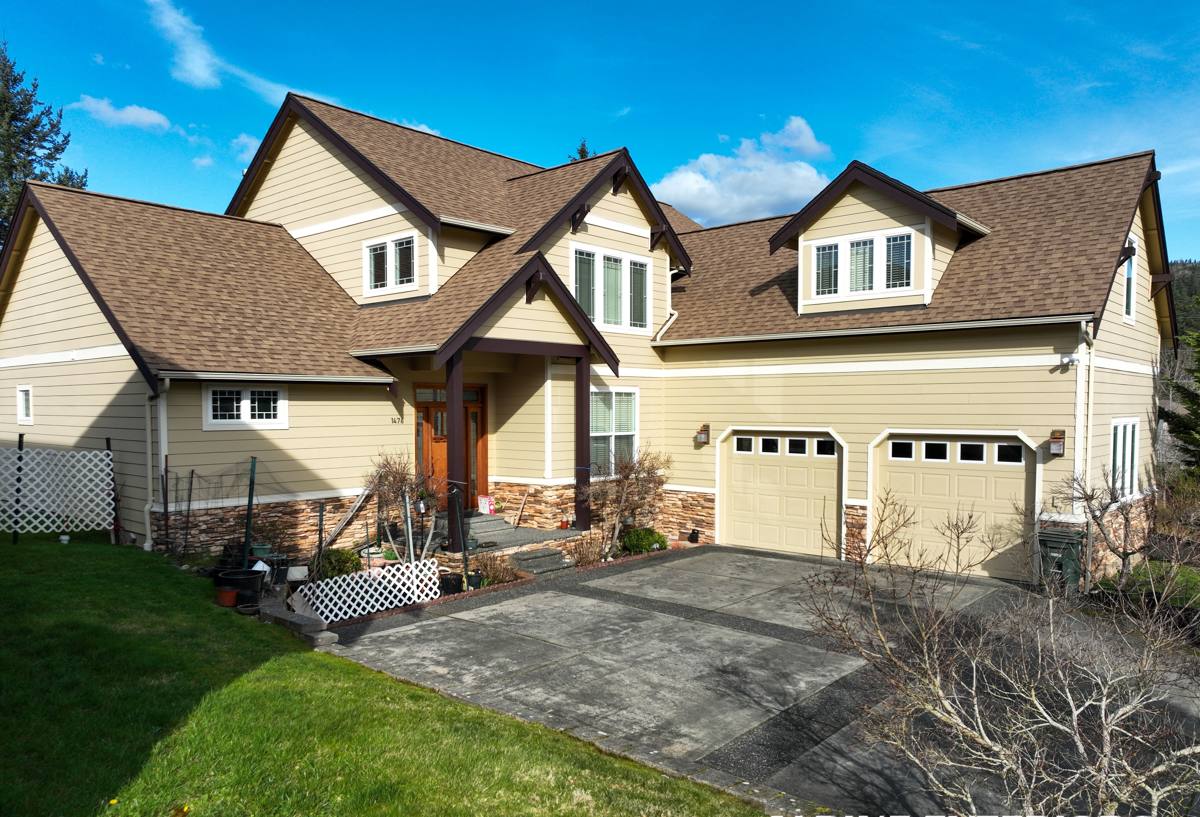
New-construction window installation is the one part of a build where mistakes are cheapest to fix before drywall goes up and most expensive to fix after. If you're framing a new home or a major addition in Happy Valley, on the west side of Sudden Valley near Lake Whatcom, the windows you choose and how they're installed will decide how that house performs for the next 20-30 years. This isn't the same job as replacing old windows in an existing wall. New-construction windows go in with a nailing fin, get integrated into the house wrap and flashing system from scratch, and give you one real shot to build a water-management plan into the wall before it's ever tested by weather.
Whatcom County builders and homeowners in this pocket of Sudden Valley deal with a specific combination of conditions: damp lake-effect air, long stretches of driving rain off the water, and a moss and algae season that runs most of the year. None of that is exotic, but it all adds up if the window opening isn't detailed correctly. We install new-construction windows in Happy Valley regularly enough to know which details matter here and which are just extra steps that don't pay off.
What Happy Valley's Climate Actually Demands of a Window Install
Lake-Effect Moisture and Driving Rain
Homes near Lake Whatcom get a steady dose of moisture in the air even on dry days, and when weather systems push rain sideways off the lake, wind-driven water finds every gap in a window opening that wasn't flashed correctly. A window that's watertight in a still rain but leaks in wind-driven rain will eventually show it as staining, soft trim, or mold inside the wall cavity — usually a year or two after the builder is gone.
Moss, Algae, and Prolonged Dampness
Whatcom County's moss season is long, and it's not just a roof problem. Moss and algae growth on north- and west-facing walls near Sudden Valley holds moisture against siding and trim far longer than a dry climate would. Around a window, that means the sill, trim, and any exposed fasteners need materials and detailing that won't wick or trap water, because they'll be sitting in damp conditions more months of the year than not.
Temperature Swings and Condensation
Lake-adjacent properties also see more condensation on glass and frames during cool, humid mornings. That's mostly a glass-package and ventilation issue rather than an installation issue, but a poorly sealed window makes condensation problems worse by letting humid air infiltrate the wall cavity instead of just fogging the glass.
What a Correct New-Construction Install Actually Involves
A new-construction window opening is built in layers, and each layer has one job. Skipping or rushing any one of them is how call-backs happen.
- Rough opening check. Confirm the opening is square, level, and sized correctly before the window ever shows up on site. Framing tolerances get less forgiving as siding and trim go on.
- Sill pan flashing. A sloped, sealed sill pan under the window is the single most important detail for this climate. It gives any water that gets past the window a path back outside instead of into the framing.
- Window placement and fastening. The unit gets set plumb, level, and square in the opening and fastened through the nailing fin per the manufacturer's schedule — not just at the corners.
- Flashing tape integration. Flashing laps over the nailing fin in the correct shingle-style order (sides first, then top) so water sheds down and out, never into a seam.
- House wrap tie-in. The water-resistive barrier gets integrated with the window flashing so the whole wall works as one continuous drainage plane, not a patchwork.
- Interior and exterior sealant. Backer rod and compatible sealant close the gap between frame and rough opening without bridging the drainage path.
- Trim and final seal. Exterior trim and any siding tie-in are sealed and detailed so water sheds away from every joint.
How We Approach the Job in Happy Valley
We treat new-construction window installs as a sequence, not a single visit, because the framing crew, the window supplier, and the siding crew all need to be coordinated for the flashing layers to line up correctly.
- Walk the rough openings before windows arrive to catch framing issues early, while they're still cheap to fix.
- Confirm window sizes and specs against the plans before install day — reorders on a build schedule cost real time.
- Install sill pan flashing and shingle-lap the window flashing tape in the correct order every time, not just when someone's watching.
- Tie the house wrap into the window flashing so the drainage plane is continuous around every opening.
- Photograph flashing details before they're covered by siding or trim, so there's a record of what's behind the wall.
- Coordinate timing with your general contractor or builder so windows go in at the right point in the sequence — not too early, not after siding has already started.
Choosing Windows and Materials for This Location
The window unit itself matters less than most homeowners expect — a mid-range vinyl or fiberglass window installed correctly will outperform a premium window installed poorly. That said, a few choices make more sense than others for a Happy Valley build:
| Factor | What Matters Here | Why |
|---|---|---|
| Frame material | Vinyl or fiberglass over bare wood-clad exteriors | Less exposed material to maintain against constant dampness and moss growth |
| Glass package | Double-pane, low-E, argon-filled at minimum | Reduces condensation risk in humid lake-effect mornings and improves comfort |
| Exterior finish | Factory-finished, low-maintenance cladding where budget allows | Cuts down on repainting cycles driven by moisture and moss staining |
| Fastener and trim hardware | Corrosion-resistant fasteners and trim fasteners | Salt-tinged, damp air near the lake accelerates rust on standard hardware |
| Sill design | Sloped sill with integrated drainage where available | Sheds driving rain instead of letting it pool at the frame |
We don't push a specific brand as "the only option" — we install what fits your budget and the home's design correctly. What we won't do is cut corners on flashing or fastening to save time on a cheaper unit, because the installation is what determines whether any window, expensive or not, keeps water out for the next few decades.
Cost Factors for New-Construction Windows
Pricing on a new build varies with window count, size, glass package, and how the general schedule is set up, so we won't quote a number without seeing the plans. Broadly, the things that move the price are:
| Factor | Effect on Cost |
|---|---|
| Number and size of openings | More and larger windows increase both material and labor cost roughly proportionally |
| Frame material and glass upgrades | Fiberglass and upgraded glass packages cost more upfront but reduce maintenance and energy loss over time |
| Wall assembly complexity | Rainscreen or advanced water-management wall systems add install time but pay off in this climate |
| Scheduling coordination | Tight coordination with framers and siders keeps labor efficient; last-minute changes add cost |
| Site access | Sudden Valley's terrain and some lake-area lot access can affect staging and labor time |
Why Hiring a Crew That Already Works in Sudden Valley Matters
New-construction window flashing is one of those trades where local experience genuinely changes the outcome. A crew that mostly works drier inland areas of Whatcom County may not weight sill pan flashing and shingle-lap order as heavily as they should, because their callback rate in a drier climate doesn't punish shortcuts the way Sudden Valley's lake-effect moisture does. We've installed windows on builds around Sudden Valley and Happy Valley long enough to know that details which are "nice to have" elsewhere are non-negotiable here — the sill pan, the fastener corrosion resistance, and the moss-aware exterior detailing aren't upsells, they're what keeps a new build from having water problems by year three.
We also coordinate directly with builders and general contractors on new-construction timelines, which matters more than it sounds like. Windows installed out of sequence with house wrap or siding create flashing gaps that are hard to catch until there's already a leak.
Signs You're Getting a Rushed Install
If you're watching a crew work on your Happy Valley build, a few things are worth flagging before the wall gets closed up:
- No visible sill pan flashing before the window goes in — just sealant and a fin nail.
- Flashing tape applied top-first instead of sides-first, which reverses the water-shedding order.
- House wrap cut and taped around the window without lapping over the flashing fin.
- Fasteners skipped at mid-span points on larger windows to save time.
- No photos or documentation of flashing details before siding covers them.
Any of these can look fine on move-in day and still cause problems once Whatcom County's wet season sets in.
If you're framing or planning a build in Happy Valley or elsewhere around Sudden Valley, we're glad to walk the plans with you and give you a straightforward, no-pressure estimate on the window install — just fill out the form below.