 Sudden Valley Siding
 Why Silver Beach Homes Take a Beating
Homes around Silver Beach and Sudden Valley sit in one of the wetter, greener corners of Whatcom County, and that's not just a scenery note — it's a siding problem. Marine air moving in off the Salish Sea keeps humidity high for most of the year, driving rain works its way sideways into wall assemblies that aren't detailed correctly, and the tree cover that makes this area beautiful also means shade, standing moisture, and a moss season that can run from early fall through late spring. Siding here isn't decorative. It's the first and most tested line of defense a house has.
We've replaced enough failed siding jobs in this area to know what gives out first: paint that couldn't hold up to the freeze-thaw and moisture cycles, seams that let water track behind the cladding, and butt joints that were never flashed properly to begin with. None of that is really about the weather being unusually harsh — it's about products and installation practices that weren't matched to it.
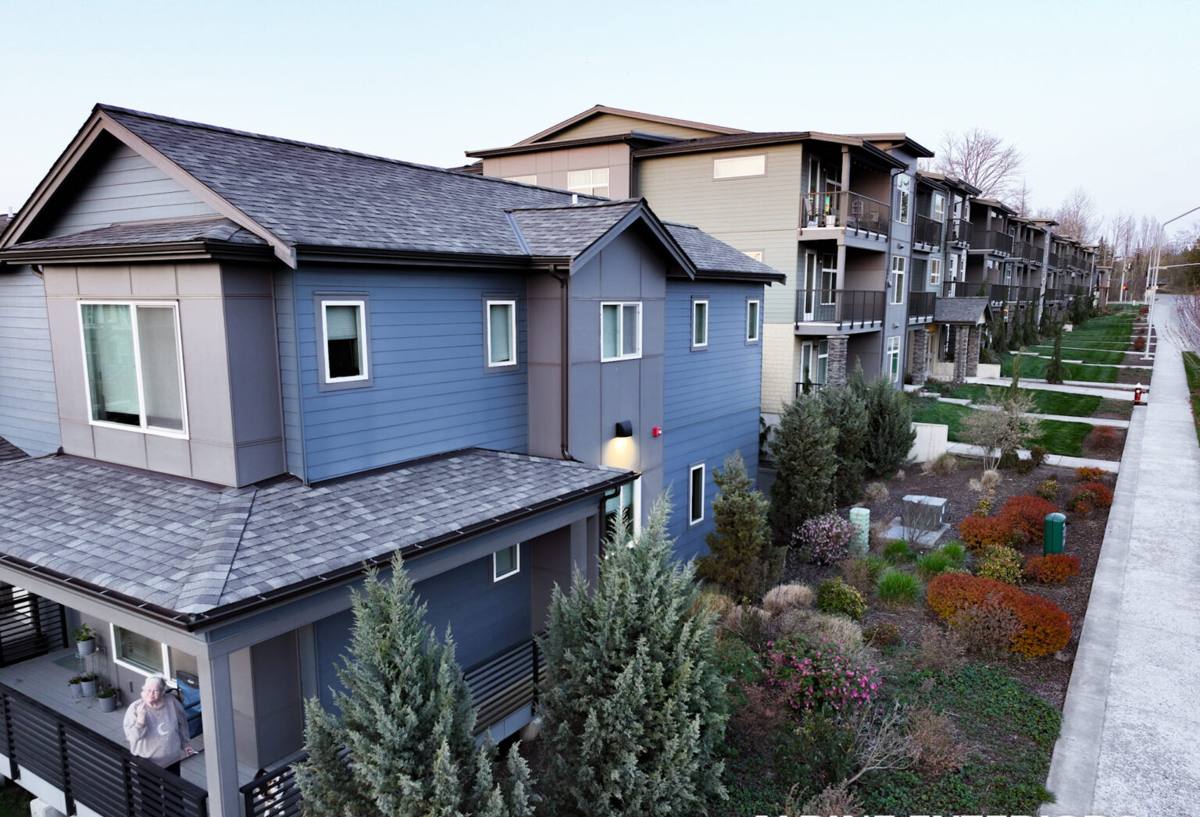
What This Climate Actually Demands From Siding
Moisture Management, Not Just Moisture Resistance
A lot of siding products are marketed as "weather resistant," but resistance isn't the same as management. In a climate that stays damp for months at a stretch, siding needs a way to let incidental moisture drain and dry out rather than just repel it and hope. That means proper drainage planes behind the cladding, correctly lapped water-resistive barriers, and flashing details at every horizontal transition — window heads, trim boards, deck ledgers, roof-to-wall intersections.
Standing Up to Moss and Organic Growth
Moss and algae aren't just cosmetic here — they hold moisture against a wall surface longer than the surrounding air would on its own, which accelerates whatever weakness is already in the material underneath. A siding product's finish and substrate matter as much as its color when growth is a near-constant seasonal presence.
Paint and Finish That Don't Quit Early
Site-applied paint on siding in this climate has a shorter honeymoon than most homeowners expect, because the same damp cycles that grow moss also stress paint film adhesion. A factory-cured finish that isn't dependent on field conditions the day it was painted is a real advantage, not a marketing point.
Why We Install Only James Hardie Fiber Cement
We don't carry vinyl, LP SmartSide, Cemplank, Allura, or primed wood siding, and that's a deliberate standard, not an oversight. Each of those products has legitimate uses somewhere — but for what this climate does to a wall over 20-plus years, we've settled on one system we're willing to put our name behind.
Non-Combustible, Dimensionally Stable
Fiber cement doesn't expand and contract with moisture the way engineered wood products can, and it doesn't soften at the edges the way wood-based siding does when water finds a gap. That stability matters in a climate where the material is rarely bone dry for long.
ColorPlus Factory Finish
James Hardie's ColorPlus finish is baked on in a controlled factory environment rather than rolled or sprayed on-site, which gives it more consistent adhesion and color retention than field-applied paint — a meaningful difference in a region where the paint job gets tested by moisture almost immediately after installation.
Climate-Engineered HZ Product Lines
James Hardie makes region-specific HZ formulations, engineered for the moisture and temperature patterns of a given climate zone rather than a one-size-fits-all mix. We spec the version built for Pacific Northwest conditions, not a generic national product.
A Warranty That Actually Transfers
James Hardie backs its siding with a long, transferable non-prorated warranty on the substrate and a separate finish warranty on ColorPlus color — which matters if you ever sell the house, and it also tells you something about how confident the manufacturer is in the product's long-term performance.
What a Correct Installation Actually Involves
The product is only half the equation. We've seen good siding fail early because of shortcuts in the install, and in a climate this wet, there's almost no margin for skipped steps.
- Water-resistive barrier installed and lapped correctly, with no upside-down laps or gaps at penetrations
- Rainscreen or drainage gap behind the siding so incidental moisture has somewhere to go
- Flashing at every window, door, and horizontal trim transition — not just caulk standing in for flashing
- Correct fastener type, spacing, and penetration depth per James Hardie's installation instructions
- Proper clearance between siding and grade, decks, patios, and roof lines to avoid wicking
- Factory-cut and factory-primed edges wherever possible, with cut edges sealed on-site
- Caulking only where it belongs — as a supplement to flashing, never a substitute for it
Every one of those steps is invisible once the siding is up. That's exactly why they're the steps that get skipped by crews working fast, and exactly why they're the steps that determine whether the wall behind the siding stays dry for the next twenty years.
Mistakes We Commonly Find on Re-Sides in This Area
Missing or Failed Flashing
The single most common issue we uncover when we tear off old siding around Silver Beach is water staining or rot at window heads and trim boards where flashing was never installed or was improperly lapped. It's not visible from the outside until the damage is already done.
Siding Installed Too Tight to Grade or Roofing
Siding that terminates too close to soil, mulch beds, or a lower roof surface pulls moisture up by capillary action, regardless of how good the material is. We see this constantly on older installs and it's an easy thing to get right the first time.
Caulk Used as a Flashing Substitute
Caulk fails long before the siding does. When it's the only thing keeping water out of a joint, it's a matter of when — not if — that joint starts leaking.
Our Process, Start to Finish
We keep this straightforward because the value is in the details of the work, not in a complicated sales process.
- Free on-site estimate — we walk the exterior, note problem areas (moss buildup, trim rot, drainage issues), and measure for material.
- Written scope and product selection — you'll know exactly which James Hardie product, profile, and color is being installed, with the HZ specification called out.
- Tear-off and inspection — old siding comes off and we inspect the sheathing and water barrier underneath before anything new goes up.
- Correct water management install — barrier, drainage gap, and flashing details done to spec, not shortcut.
- Siding installation — fastened, lapped, and finished per James Hardie's published installation requirements for this climate zone.
- Final walkthrough — we review the finished work with you before calling the job done.
Cost Factors for a Silver Beach Project
| Factor | Why It Affects Cost Here |
|---|---|
| Extent of hidden moisture damage | Sheathing or framing repair found during tear-off is common in older homes with a history of moss and moisture exposure |
| Home access and lot terrain | Sloped lots and tree-lined properties common around the lake can add setup and staging time |
| Siding profile and trim complexity | Lap siding, panel systems, and detailed trim packages each carry different material and labor requirements |
| Number of stories and roof lines | Multi-story homes and homes with complex roof-to-wall intersections need more flashing detail work |
| HOA or design review requirements | Some planned communities in this area have architectural guidelines that affect color and material approval timelines |
Maintenance Once It's Installed Correctly
Properly installed James Hardie siding is low-maintenance, not no-maintenance. In a climate that grows moss on nearly everything, a little attention goes a long way toward protecting the investment.
- Rinse siding annually with a garden hose to knock off pollen, dust, and early moss growth — skip the pressure washer at close range
- Keep gutters clear so overflow doesn't run down the siding face repeatedly
- Trim back vegetation and tree limbs that keep sections of the wall shaded and damp
- Inspect caulking at trim joints every year or two and re-caulk if it's cracked or pulling away
- Address any paint chipping or exposed edges promptly rather than letting moisture get behind the finish
Why the Crew Matters as Much as the Product
James Hardie siding installed to spec and James Hardie siding installed with shortcuts are two very different products in practice, even though the material coming off the truck is identical. A crew that already works Silver Beach and Sudden Valley knows which trim details fail first in this climate, understands the local permitting path through Whatcom County or the City of Bellingham depending on where a property sits, and — if your home falls under a homeowners association or architectural review process, which several communities in this area do — knows how to handle that approval alongside the project timeline instead of after the fact.
That local familiarity isn't a substitute for craftsmanship, but it does mean fewer surprises: fewer callbacks for a permit that wasn't pulled correctly, fewer color approvals that stall a project midstream, and a crew that's already seen how this specific climate treats a wall over time.
If your siding is showing moss buildup, chalky or peeling paint, or soft spots near trim and window edges, it's worth a second look before another wet season sets in. We offer free, no-pressure estimates for Silver Beach and Sudden Valley homeowners — walk the exterior with us, get a straight answer on what's going on, and see what a correctly installed James Hardie system would look like on your home.