 Sudden Valley Siding
 Building Decks for Edgemoor's Specific Conditions
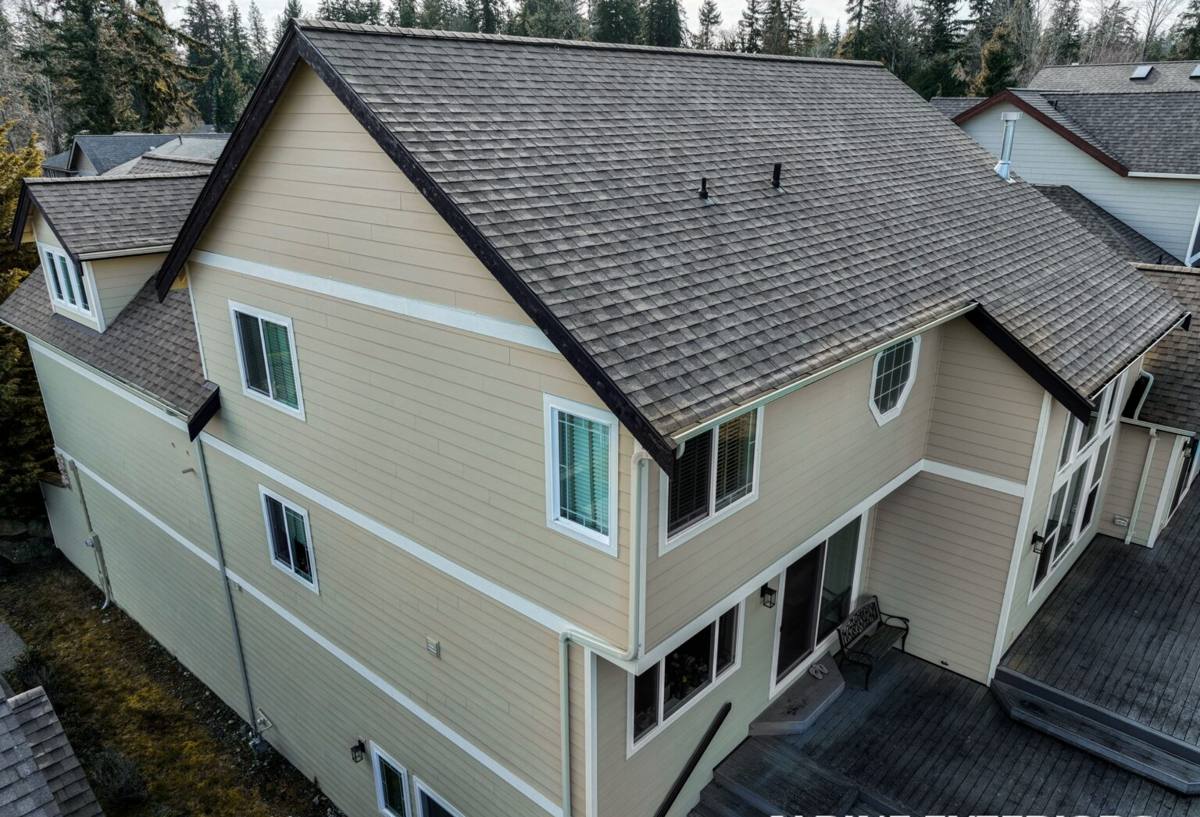
Edgemoor homes sit close enough to the water and the tree line that a deck here works harder than a deck built inland. Salt-laden air moves through on a regular basis, driving rain comes in sideways off Bellingham Bay and the Sudden Valley area more often than most homeowners expect, and the long, wet Whatcom County shoulder seasons keep surfaces damp for weeks at a stretch. That combination is exactly what causes premature fastener corrosion, moss buildup on decking boards, and soft spots in framing that wasn't detailed for constant moisture exposure. A deck built to a generic spec sheet will survive here for a while. A deck built for these conditions specifically will still be solid and safe well past the point where the generic version needs structural repair.
We've worked on homes throughout Sudden Valley and the surrounding Whatcom County shoreline communities long enough to know which details matter in this microclimate and which are just upsells. This page covers what a custom deck in Edgemoor actually needs, how we build it, and what to watch for if you're evaluating bids from other contractors.
What the Climate Does to an Unprepared Deck
Salt Air and Metal Fasteners
Homes closer to the water deal with airborne salt that accelerates corrosion on any fastener, bracket, or hanger that isn't rated for it. Standard galvanized hardware can start showing rust streaks and pitting well before a deck's wood components show their age. Once fasteners corrode, they lose holding strength at exactly the connections that carry the most load — ledger boards, post bases, and joist hangers.
Driving Rain and Water Intrusion
Rain in this area rarely falls straight down. Wind-driven rain gets pushed under poorly flashed ledger boards and into end grain that isn't sealed, which is how rot starts from the inside of a board rather than the surface. By the time it's visible, the damage is often already structural.
Moss, Algae, and Surface Buildup
Long wet seasons with limited direct sun — common on shaded lots and north-facing decks around Edgemoor — grow moss and algae on decking surfaces. Beyond looking bad, a mossy deck surface holds moisture against the board and becomes genuinely slick, which is a real fall hazard on stairs and ramps.
What a Correctly Built Deck Includes Here
None of this is exotic. It's a matter of choosing the right materials and details for this specific climate instead of defaulting to whatever is cheapest to source.
- Stainless steel or coated fasteners rated for coastal/salt-air exposure, not standard galvanized hardware
- Proper ledger board flashing where the deck attaches to the house, with a drip edge that directs water away from the wall
- Sealed end cuts on any framing lumber cut on site, since factory treatment doesn't reach a fresh cut
- Joist tape or a comparable moisture barrier on top of framing members to keep water out of the wood underneath fasteners
- Decking material selected for moss resistance and slip performance, not just appearance
- Adequate ventilation underneath the deck so trapped moisture has somewhere to go
- Post bases set to keep wood off grade contact and standing water
Decking Material Options for This Area
There's no single "best" decking material — there's a best material for a given budget, sun exposure, and maintenance appetite. Here's how the common options actually perform in Edgemoor's climate specifically.
| Material | Moss/Algae Behavior | Maintenance | Notes for This Climate |
|---|---|---|---|
| Pressure-treated wood | Prone to moss in shaded, damp spots without upkeep | Needs regular cleaning and periodic sealing | Lowest upfront cost; requires the most owner attention to stay ahead of moisture |
| Cedar | Naturally moderate resistance, but still needs care in constant shade | Periodic cleaning and refinishing to hold color and resist weathering | Good look for the region; softer wood so fastener and finish choices matter more |
| Composite decking | Good resistance on most boards; textured caps shed algae better than smooth ones | Occasional washing, no sealing or staining | Higher upfront cost, much lower long-term maintenance burden in a wet climate |
| PVC decking | Very good moisture and moss resistance | Low; mainly periodic washing | Doesn't absorb water like wood-based products, which matters on shaded, low-airflow sites |
For most Edgemoor properties we talk through sun exposure first. A deck that gets afternoon sun and decent airflow has more material options that will perform well. A deck tucked under trees on the shaded side of the house is where we push harder for a moss-resistant composite or PVC product, because wood in that spot will need constant attention to stay clean and sound.
Structural Considerations Specific to This Site Type
Ledger Attachment
The ledger board — where the deck ties into the house — is the single most common failure point on decks in wet climates, and it's also the connection most likely to be shortcut on a budget build. We flash it properly and use fasteners rated for the exposure, because a ledger failure isn't cosmetic, it's a safety issue.
Footings and Post Bases
Whatcom County soil conditions and frost depth requirements factor into footing design. We set footings to the depth required for the site and use post bases that keep wood off the concrete and out of standing water, which is a common weak point on older decks in this area.
Railings and Stairs
Slip resistance matters more here than in a dry climate, particularly on stairs. We factor in tread depth, drainage off stair surfaces, and railing hardware that won't corrode and loosen over time.
Our Process for a Custom Deck Project
- On-site assessment — we look at sun exposure, drainage, existing structure (if replacing a deck), and how the space will actually be used before recommending materials.
- Design and material selection — we walk through decking, railing, and hardware options with honest trade-offs on cost, appearance, and maintenance, specific to your lot's exposure.
- Permitting — decks of most sizes require a permit in Whatcom County; we handle that process rather than leaving it to the homeowner.
- Framing and structural work — footings, posts, beams, and joists built to spec with the corrosion-resistant hardware and flashing details this climate requires.
- Decking, railing, and finish work — installed with attention to drainage, end-grain sealing, and fastener spacing appropriate to the material.
- Final walkthrough — we go over the finished deck with you, including any maintenance the specific material needs going forward.
Repair, Replace, or Rebuild?
Not every deck problem in Edgemoor means starting over. If the framing is sound and the issue is surface-level — moss, worn decking boards, a railing that's loosened — a partial repair or resurfacing can make sense. If the ledger connection has water damage, if posts are rotted at grade contact, or if the deck was never flashed correctly to begin with, patching the surface just delays a bigger repair. Part of our assessment is telling you honestly which category your deck falls into before we quote anything.
Before You Hire: A Practical Checklist
Whoever you hire for a custom deck in this area, these are worth confirming up front:
- Do they specify corrosion-resistant fasteners and hardware, or just "standard" hardware?
- Will they detail ledger board flashing in the written scope, not just mention it verbally?
- Do they pull the required Whatcom County permit, or expect you to?
- Can they explain why they're recommending a specific decking material for your lot's sun exposure, rather than a one-size answer?
- Do they have current liability insurance and, if applicable, workers' comp coverage?
- Will you get a written warranty on workmanship, separate from the manufacturer's material warranty?
Why Local Experience Matters for This Job
A deck built by a crew that hasn't worked this specific stretch of Whatcom County will still know how to build a deck — the framing math doesn't change. What changes is judgment: knowing which decking products actually hold up on a shaded Edgemoor lot versus a sunny one, knowing which hardware to spec without being asked, and knowing that a ledger flashing detail that's "good enough" in a drier climate isn't good enough here. That judgment comes from having built and repaired decks in this exact area, seeing which ones held up and which ones came back as repair calls a few years later.
If you're planning a new deck or replacing one that's showing its age, we're happy to come out, take a look at your site's specific sun and moisture exposure, and put together a straightforward plan and estimate — no pressure, no upsell script. Use the form below to get started.