 Sudden Valley Siding
 Board & Batten Siding in Ferndale: Built for This Corner of Whatcom County
Ferndale sits close enough to the water and the lowland river valleys that its homes take on a specific kind of weather load: salt-tinged air rolling in off Bellingham Bay and the Strait, long stretches of driving rain through the fall and winter, and a moss season that seems to start earlier every year and never fully let go. Board and batten siding is one of the most requested looks for Ferndale homes right now, and for good reason — the vertical lines read as clean, modern farmhouse or classic Pacific Northwest, and they work on everything from a small in-town bungalow to a larger place out toward the county roads. But the look is only half the story. Installed wrong, board and batten is one of the least forgiving siding styles in this climate. Installed right, it's one of the most durable. This page is about what "right" actually means for a Ferndale home, and why we only do it in one material.
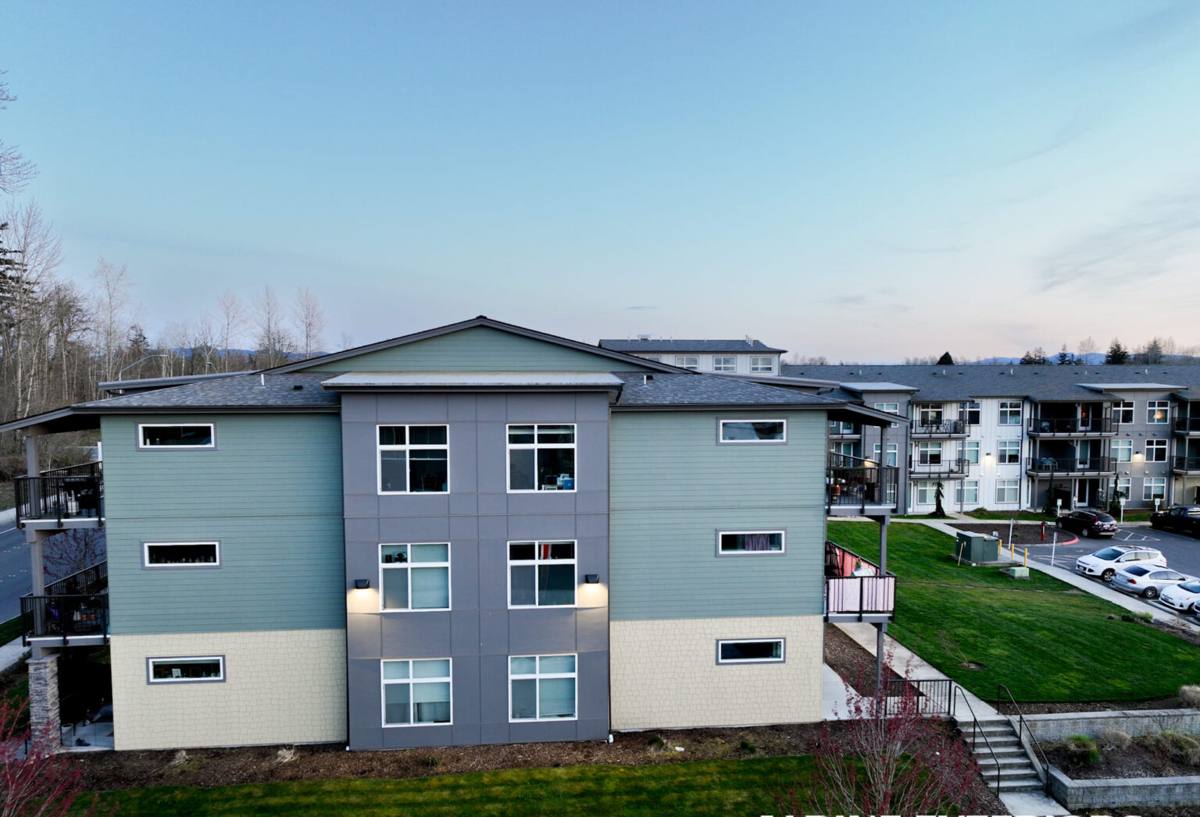
Why Board & Batten Struggles in This Climate When It's Done Wrong
Board and batten relies on vertical boards with narrow strips (battens) covering the seams. That seam-and-batten geometry creates a lot of vertical joints compared to standard lap siding, and every one of those joints is a place where wind-driven rain can find a way in if the flashing and gapping details aren't handled correctly. Combine that with Ferndale's proximity to open water — which means more sustained horizontal rain than towns further inland — and you get a style that punishes shortcuts.
The other local factor is moss and biological growth. Whatcom County's damp, mild winters are ideal for moss, algae, and mildew, and vertical board siding with narrow battens creates shaded, slow-drying surfaces exactly where organic growth likes to take hold: under battens, at the base of walls near landscaping, and on north- and west-facing elevations that don't get much direct sun. Wood-based board and batten products are especially vulnerable here, because moisture trapped against organic material is a recipe for rot, not just cosmetic staining.
What a Correct Board & Batten Installation Actually Involves
Weather-Resistive Barrier and Drainage Plane
Every board and batten job we do starts with a continuous weather-resistive barrier and a drainage gap behind the siding — not just tight against the sheathing. In a climate like Ferndale's, bulk water that gets past the outer skin needs somewhere to go besides straight into your wall assembly. A proper rainscreen gap lets incidental moisture drain and the wall cavity dry out between storms instead of staying damp all winter.
Vertical Board Layout and Fastening
Vertical boards need blocking or furring that gives every fastener solid backing, laid out so the batten pattern is even and the reveal is consistent across the whole elevation. Fasteners are placed and spaced to manufacturer specification — not just "close enough" — because in a high-wind, high-rain exposure, an under-fastened panel is what eventually works loose or lets water track behind it.
Flashing at Every Penetration and Transition
Window and door heads, deck ledgers, hose bibs, light fixtures, dryer vents — every single penetration through vertical board siding needs its own flashing detail, kicked out and lapped correctly so water sheds past the opening instead of pooling at it. This is the single most common place we find failures on older or poorly installed board and batten homes in this area: missing or reversed head flashing that let years of rain slowly work into the sheathing.
Batten Placement and Sealant Strategy
Battens cover the vertical seams, but they are not the primary water barrier — the drainage plane behind them is. We install battens with the right gap and fastening pattern so they can move with seasonal humidity changes without splitting the caulk joint, and we treat sealant as a secondary defense, not the only thing standing between your wall and the weather.
Why We Install Board & Batten Only in James Hardie Fiber Cement
Board and batten is sold in several materials — engineered wood, vinyl, primed spruce, cedar — and each one changes how forgiving (or unforgiving) the style is in a wet coastal climate. We standardized on James Hardie fiber cement for board and batten specifically because of how it behaves at the seams and edges, which is where this style lives or dies.
| Factor | James Hardie Fiber Cement | Wood-Based Board & Batten |
|---|---|---|
| Moisture at cut edges/battens | Non-organic — won't rot from trapped moisture | Organic — vulnerable to rot if seams stay damp |
| Moss/algae resistance | Dense, factory-finished surface resists growth better | More porous surface can hold moisture, feeding growth |
| Fire exposure | Non-combustible core | Combustible |
| Finish stability | ColorPlus factory finish, engineered for UV and coastal exposure | Field-applied paint/stain, shorter repaint cycles |
| Dimensional movement | Minimal swelling/shrinking | Swells and shrinks with moisture, stresses seams |
We're not going to tell you that other board and batten materials can't be installed well — they can, with the right detailing and maintenance discipline. But we've made a professional decision not to install products that put the long-term performance of the job on the homeowner's shoulders through repainting, resealing, and moisture vigilance. In a climate with Ferndale's rain and moss exposure, that maintenance burden is real, and it compounds over time.
James Hardie's Board & Batten Options
James Hardie offers board and batten in both the HardiePanel vertical siding system (with separate battens) and in individual HardieTrim battens paired with HardiePanel or a shiplap/reveal panel product, depending on the exact look you want. For homes closer to open water or exposed hillsides — which describes a fair amount of the terrain around Sudden Valley and Ferndale — we typically recommend Hardie's HZ10 formulation, engineered specifically for wetter, harsher climate zones, over the standard HZ5 product used in drier regions. The difference is in the substrate engineering, not just the paint, and it's the kind of detail that matters more here than in most parts of the country.
ColorPlus factory-applied finishes are also worth calling out for this style specifically: because board and batten has so many exposed edges and reveals, a factory finish that's baked on and warrantied against fading holds up more consistently across the whole wall than field-painted wood, especially on sun-exposed south and west elevations.
Our Process for a Ferndale Board & Batten Project
- On-site assessment — we look at your home's specific exposure: prevailing wind and rain direction, tree cover and shade (a factor in moss growth), existing moisture damage, and the condition of the sheathing underneath your current siding.
- Detailed scope and product selection — panel and batten layout, reveal spacing, HZ10 vs. HZ5 recommendation based on your site's exposure, and ColorPlus color selection.
- Tear-off and sheathing inspection — we don't cover up rot or hidden water damage; if we find it, we show you before closing the wall back up.
- Weather barrier and rainscreen installation — continuous WRB, drainage gap, and flashing at every penetration before a single board goes up.
- Board and batten installation to Hardie spec — correct fastener type, spacing, and blocking; consistent reveals; batten fastening that allows for seasonal movement.
- Final walkthrough — we go over the finished job with you, including basic care and what to watch for seasonally.
Why a Crew That Already Works Ferndale Matters
Board and batten's failure points aren't generic — they're specific to how water moves across a particular kind of exposure. A crew that regularly works Ferndale and the wider Sudden Valley area already knows which elevations on a typical lot face the worst wind-driven rain, how much moss pressure a shaded north wall is likely to see, and how the local permitting and inspection process runs. That's not something you get from a crew driving in from outside the county for a one-off job. It also means when you call about a maintenance question three years after installation, you're calling people who know your job and your home, not starting from scratch with someone new.
Maintenance: What Board & Batten Actually Needs in This Climate
Even with the right material and installation, board and batten in a wet coastal climate benefits from a little seasonal attention. None of this is heavy labor — it's mostly about catching small issues before they become expensive ones.
- Rinse off accumulated moss, pollen, and grime once or twice a year, especially on shaded north- and west-facing walls
- Keep gutters clean and downspouts directed away from the base of walls to reduce splash-back moisture
- Trim back vegetation and tree limbs that shade siding and keep it damp longer after rain
- Check caulking at trim, window, and door edges annually and touch up any cracked or missing sealant
- Watch for any soft spots, staining, or paint failure at the base of walls near grade, which can signal a drainage issue
- Have penetration flashings (vents, fixtures, hose bibs) inspected periodically, since these are the most common entry points for water over time
What This Costs and What Drives the Price
Board and batten pricing depends on the size and complexity of your home, the amount of trim and penetration detailing, tear-off scope, and whether existing sheathing needs repair once old siding comes off. It generally runs somewhat higher than standard lap siding installation because of the additional labor in batten layout and fastening, but the material itself carries the same long-term value proposition as any James Hardie product: a factory finish that doesn't need repainting on the same cycle as wood, and a transferable warranty that protects the investment if you sell the home. We'll walk you through the specific factors that apply to your project during a free estimate — there's no useful way to quote board and batten siding without seeing the actual walls, roofline, and existing condition.
Get a Free, No-Pressure Estimate
If you're weighing board and batten for a home in Ferndale or elsewhere around Sudden Valley, we're happy to come take a look, walk the exposure on your specific lot, and give you a straight answer on what a correct installation involves and what it will cost. Use the form below to request a free estimate — no pressure, no obligation.