 Sudden Valley Siding
 New-Construction Windows Are a Different Job Than Window Replacement
When people hear "window installation," most think of swapping an old window for a new one in an existing wall. New-construction window installation in Acme is a different trade altogether. These windows go in during framing, before siding, house wrap, or interior trim exist, using a nailing flange that gets integrated directly into the wall's drainage plane. Get that sequence wrong and you're not looking at a drafty window — you're looking at water finding its way behind the siding and into the framing for years before anyone notices.
Why the Distinction Matters More Here Than in Drier Climates
In a dry climate, a mediocre flashing job might go unnoticed for a decade. In Acme, with Whatcom County's driving rain and the long moss season that shades and dampens north-facing walls for months at a time, mistakes show up fast — as staining, soft trim, or mold behind the drywall within a few wet seasons. New-construction window work is our chance to build the water management right the first time, before siding ever goes on.
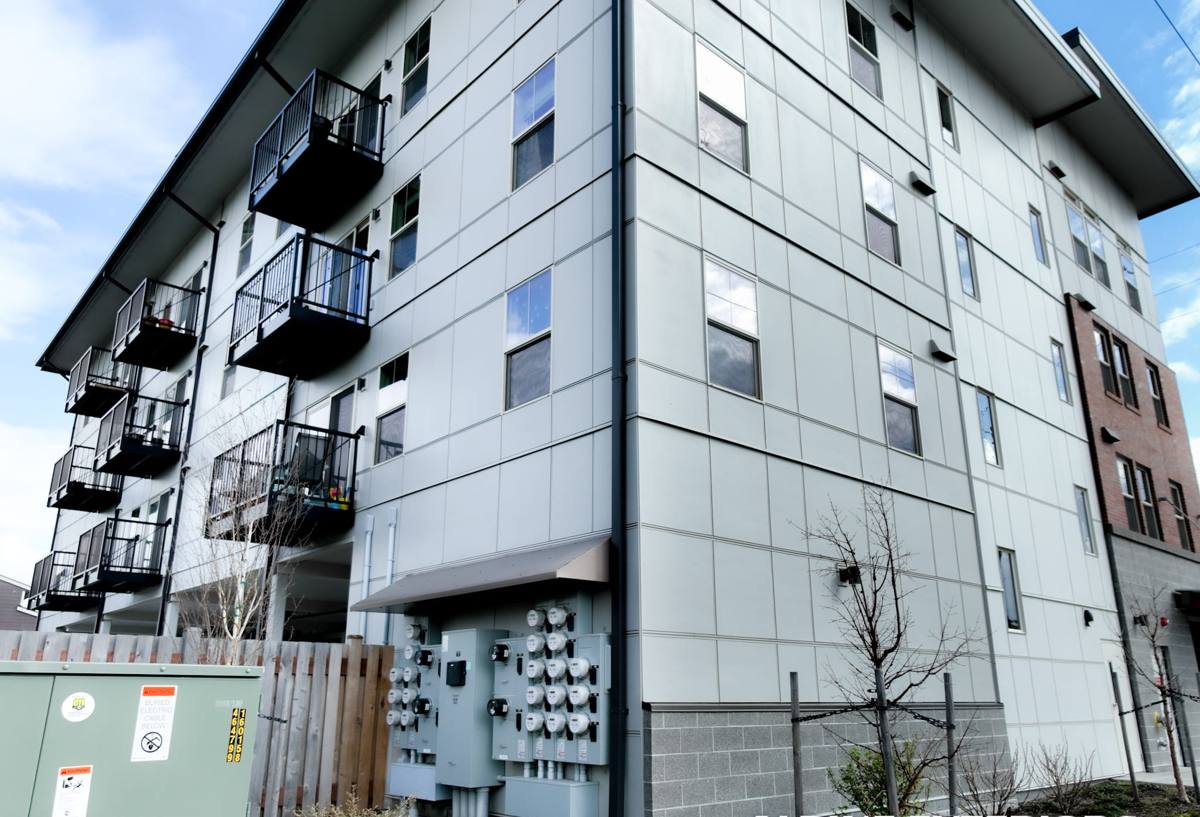
What Acme Homes Need From Their Windows
Acme sits in a part of Whatcom County that sees a lot of shade from surrounding trees, a lot of standing moisture in the air, and long stretches of steady, wind-driven rain rather than short downpours. That combination is hard on a home's exterior envelope in a specific way: it's not one big storm event that causes damage, it's months of low-grade dampness working at any gap in the flashing. The marine air that moves through this part of the Pacific Northwest — the same moisture-laden air that carries salt from the Sound into low-lying areas — also means hardware and fasteners need to be corrosion-resistant, not just weather-resistant.
A new-construction window package built for Acme needs to handle three things well:
- Sustained wind-driven rain, not just vertical rainfall, which means flashing has to shed water sideways as well as down
- Prolonged dampness and shade, which accelerates moss and algae growth on any horizontal surface, including window sills and trim
- Corrosion-resistant fasteners and hardware suited to the marine, moisture-heavy air common across Whatcom County
What a Correct New-Construction Window Installation Involves
Flashing Sequence and Sill Pans
The single most important part of a new-construction window install is the order of operations. A sill pan goes in first, sloped to drain any water that gets past the window back outside rather than into the wall cavity. The window's nailing flange then laps over the house wrap at the sides and top, and under it at the sill — never the reverse. Every seam gets sealed with a compatible flashing tape or liquid-applied membrane, not just caulk, because caulk alone dries out and cracks long before the window's service life is over.
Coordinating with House Wrap and the Rainscreen
Because we're also a siding contractor, we look at the window install as part of the whole wall assembly, not an isolated task. That means making sure the house wrap laps correctly around the rough opening, that head flashing directs water out and away from the wall (not just down onto the sill below), and that if the siding assembly includes a rainscreen gap, the window trim and flashing are built to work with that airspace instead of blocking it. A window installed correctly but in a wall system that traps moisture behind the siding still ends up with a wet wall.
Choosing Window Materials for New Construction in This Climate
Frame material matters as much as installation technique. Here's how the common options hold up under Acme's conditions:
| Frame Material | Moisture Performance | Maintenance | Typical Fit for Acme |
|---|---|---|---|
| Vinyl | Won't rot; seams and welds need to be well-made to stay watertight | Low — occasional cleaning | Good value, solid standard choice for most new builds |
| Fiberglass | Very stable in wet, temperature-swinging conditions; minimal expansion/contraction | Low | Strong long-term option, especially on exposed elevations |
| Wood, aluminum- or vinyl-clad | Good if cladding and seals stay intact; exposed wood behind cladding can rot if water gets in | Moderate — cladding seams need periodic inspection | Best where appearance matters most; needs a careful installer |
| Bare wood | Requires consistent upkeep to resist the moss, mildew, and rot this climate promotes | High | We steer most clients away from this for new builds in Acme unless upkeep is planned for |
We're not chasing a specific brand name for its own sake — we're matching the frame material to how much upkeep the homeowner actually wants to do, and how exposed a given wall or elevation is to weather.
How Our Process Works on a New-Construction Job in Acme
Most of our new-construction window work comes through a builder or a homeowner managing their own build, and the sequencing has to line up with the framing schedule, not the other way around. Our process looks like this:
- Review the plans and window schedule before framing is complete, so rough openings are sized correctly the first time
- Install sill pans and flashing as soon as the wall is ready, ahead of house wrap
- Set and shim windows plumb, level, and square, fastening through the nailing flange per the manufacturer's pattern
- Integrate house wrap and flashing tape in the correct lapping order, then photograph the flashing before siding covers it
- Coordinate exterior trim and siding tie-in so water management continues unbroken from window to wall
- Walk the finished openings with the builder or homeowner before final siding closes anything up
That mid-project photo documentation matters more than it sounds — if a question ever comes up later about how a window was flashed, there's a record instead of a guess.
What Drives Cost on a New-Construction Window Job
New-construction window installation is generally more efficient than replacement work, since there's no old window or wall damage to remove, but pricing still swings based on a few factors:
| Factor | Why It Matters |
|---|---|
| Number and size of openings | More windows and larger units mean more flashing detail and labor time |
| Frame material and glass package | Fiberglass and clad-wood units cost more up front than vinyl; higher-performance glass adds cost but pays back in comfort and condensation control |
| Wall assembly complexity | Homes built with a rainscreen or thicker wall assembly take more time to detail correctly at each opening |
| Site access and staging | Rural Acme lots, driveway grades, and material staging can affect labor time versus a flat in-town lot |
| Coordination with other trades | Jobs where we're working directly with a framer and siding crew on a tight schedule are more efficient than ones with gaps between trades |
We give straight numbers based on the actual plan set and window schedule — not a rough per-window guess that changes once the walls are open.
Mistakes We See When Windows Aren't Installed Right the First Time
Most of the window-related repair calls we get in this area don't start with a bad window — they start with a flashing detail that was skipped or done out of order. The house wrap lapped under the flange instead of over it. Caulk used in place of proper flashing tape. A sill pan left out entirely because "the window has its own weep holes." Every one of those shortcuts works fine on a dry day and fails slowly, over one or two wet seasons, as water tracks into the wall cavity, feeds the same moss and mildew that grows on the roof and siding, and eventually shows up as soft trim, peeling paint, or a musty smell near an exterior wall. Fixing it after the fact means opening up finished walls — far more disruptive and expensive than doing it right during framing.
Why a Crew That Already Works in Acme and Sudden Valley Matters
A window contractor who only occasionally works this far into Whatcom County is guessing at things a local crew already knows: how wind-driven rain typically hits a given orientation on a rural, tree-shaded lot, how long moss season actually lasts here versus a coastal town, and what Whatcom County's inspection process expects to see at rough-in. We also know the local builders and framing crews working around Sudden Valley and Acme, which means fewer scheduling gaps between framing and window install — one of the biggest reasons openings sit exposed to weather longer than they should.
Because we install both windows and siding, we're also the crew held accountable for how the two systems work together. There's no finger-pointing later between a window installer and a siding contractor over whose flashing detail failed — we did both, and we stand behind the whole wall assembly, not just one piece of it.
A Practical Checklist for Your New-Construction Window Install
Whether we're doing the work or you're evaluating another contractor's proposal for a build in Acme, these are the details worth confirming up front:
- Sill pan flashing specified and installed before the window, sloped to drain outward
- House wrap and flashing tape lapped shingle-style — top over sides, sides over sill
- Flashing tape or liquid membrane used at seams, not caulk as the primary seal
- Fasteners and hardware rated for corrosion resistance in a marine, high-moisture climate
- Head flashing that directs water clear of the wall below, not just down onto the sill
- Window and wall assembly compatible with a rainscreen gap if the siding plan includes one
- Photo documentation of flashing before it's covered by siding
- Frame material matched to the homeowner's realistic maintenance expectations
If you're building or planning a build in Acme and want windows installed the way this climate actually demands, we're happy to walk your plan set with you and give you a straightforward, no-pressure estimate — just fill out the form below.